Long Changhai, Ma Biao, Zhong Xingshun, Zou Mingzhi, Li Kai, Liu Sijing
Department of Orthopaedics, Guangdong Medical University Affiliated Second Hospital, Zhanjiang, Guangdong, China.
Department of Pharmacy, Guangdong Medical University Affiliated Second Hospital, Zhanjiang, Guangdong, China.
PLoS One. 2025 Jun 26;20(6):e0326872. doi: 10.1371/journal.pone.0326872. eCollection 2025.
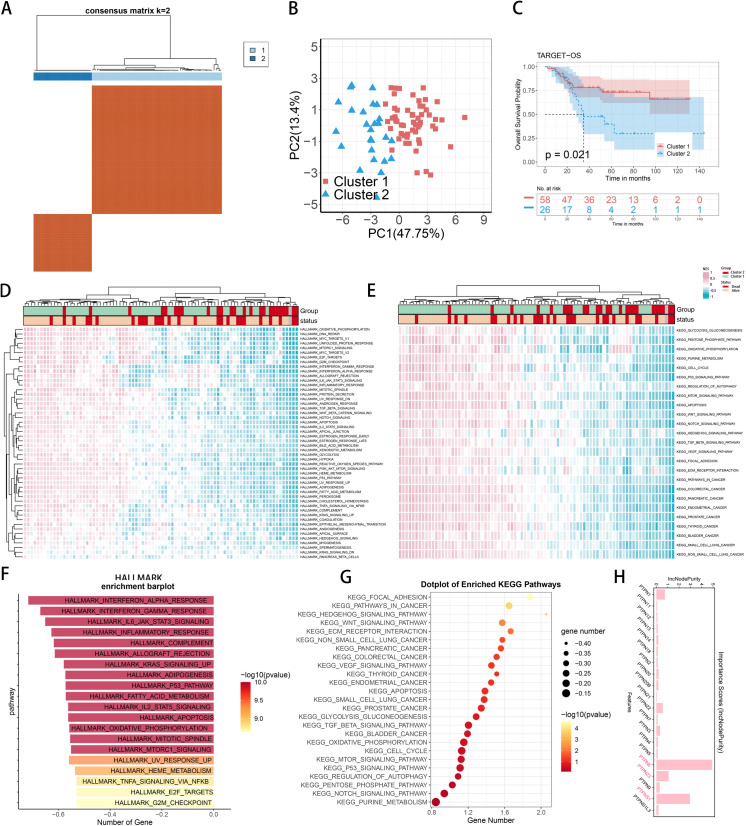
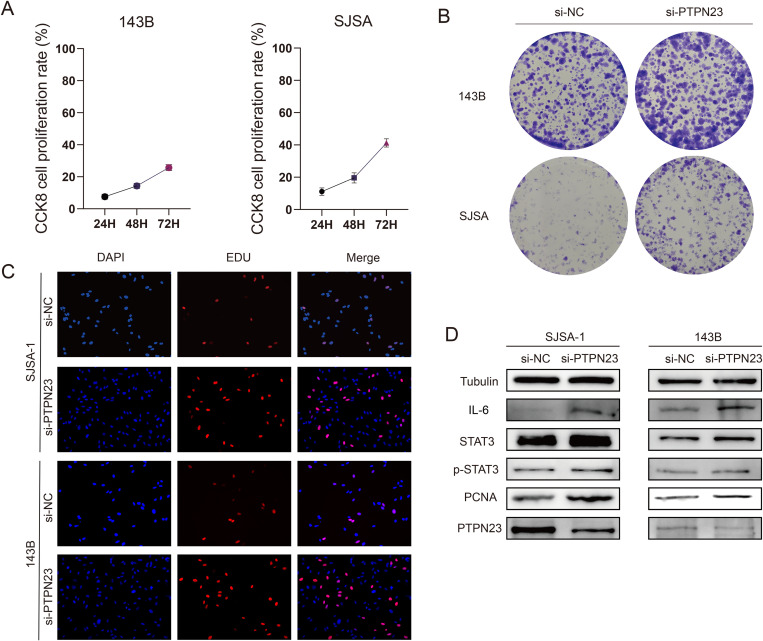
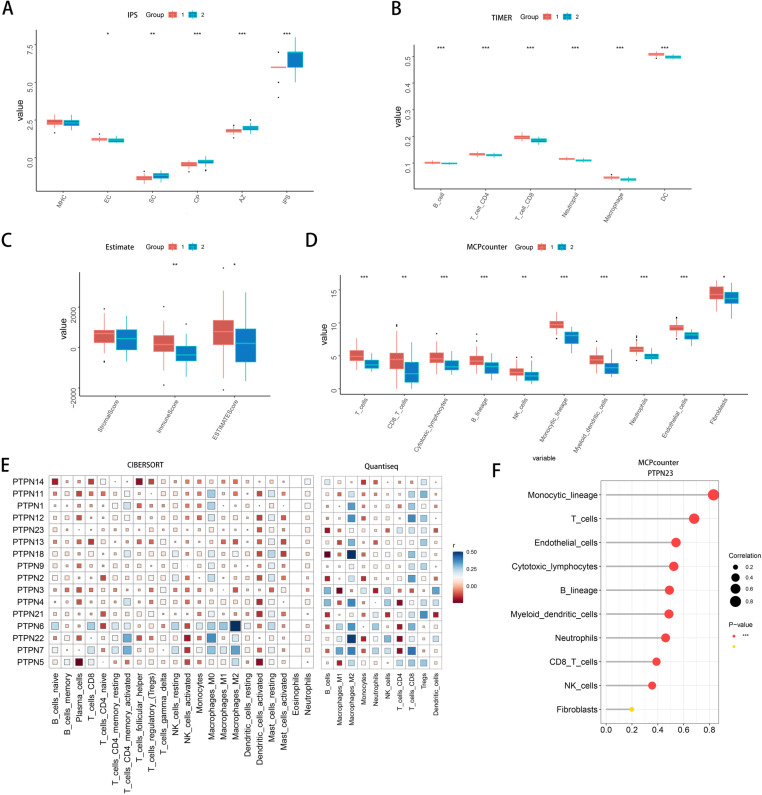
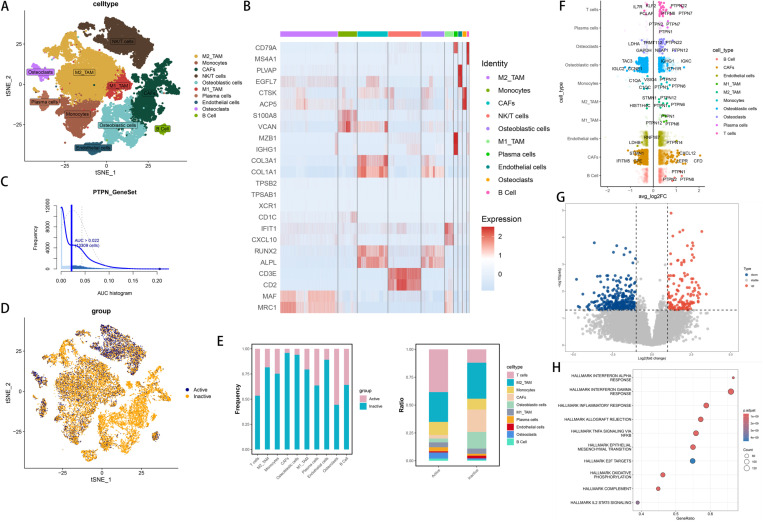
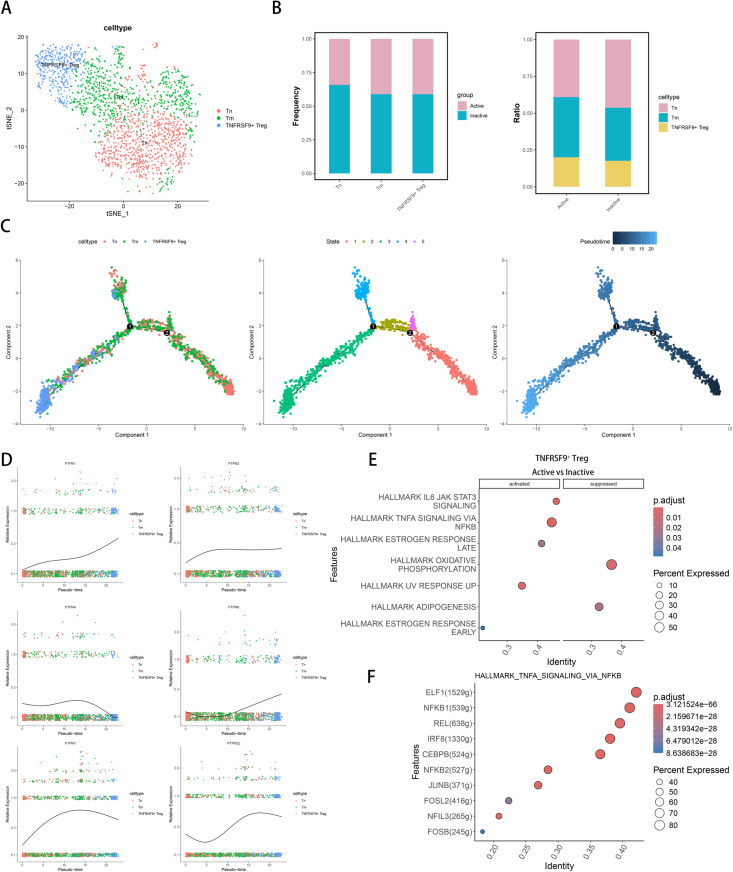
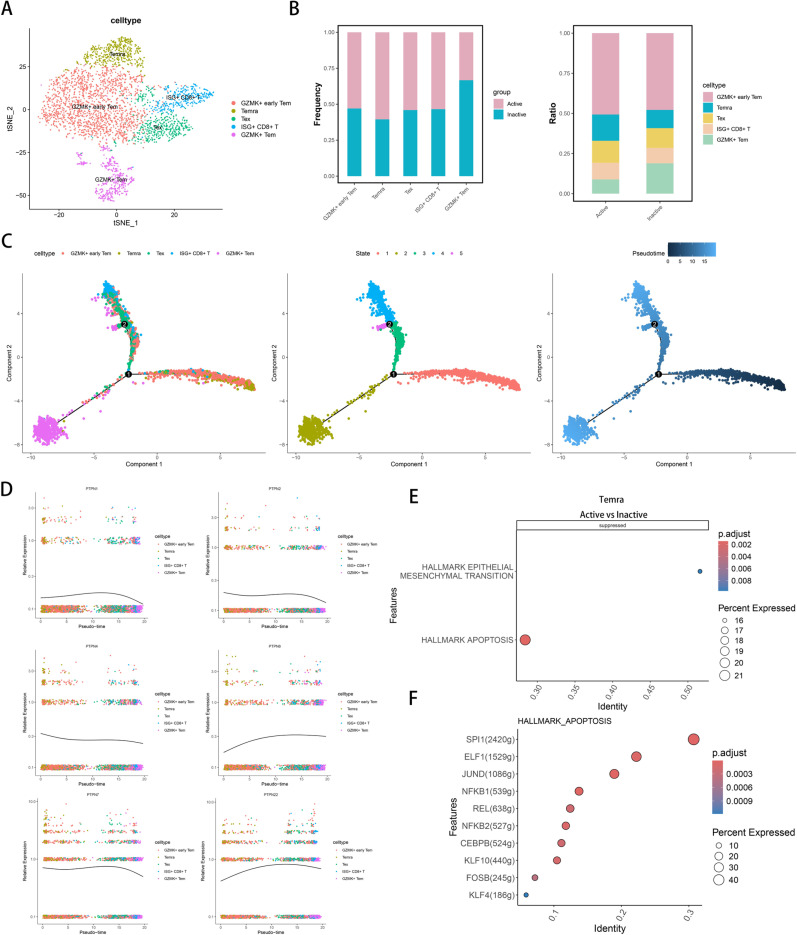
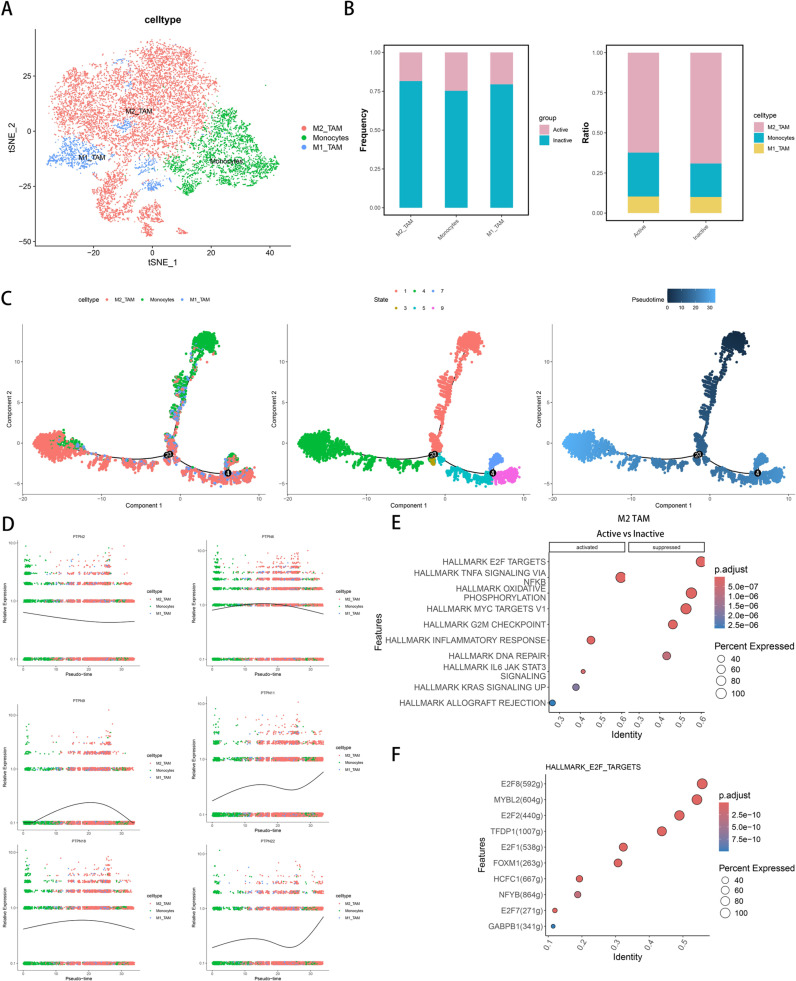
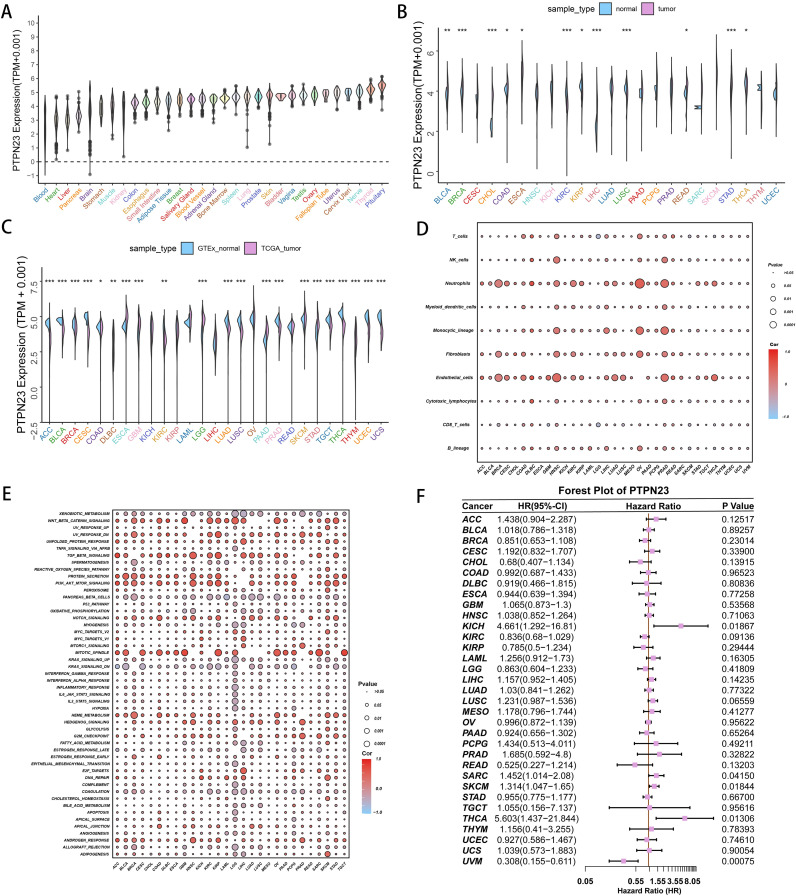
Osteosarcoma is a highly aggressive bone tumor that primarily affects adolescents and young adults, posing significant challenges in therapeutic efficacy, prognostic assessment, and treatment strategies. This study investigates the oncogenic and immune regulatory roles of the PTPN family in osteosarcoma using a comprehensive multi-omics approach. We utilized transcriptomic data, single-cell RNA sequencing (scRNA-seq), and clinical information obtained from publicly available databases. Dimensionality reduction and clustering techniques were employed to subclassify immune cells and analyze the tumor microenvironment characteristics. We identified prognostic genes associated with the PTPN family and stratified osteosarcoma cases into distinct molecular subtypes using consensus clustering. A random forest model revealed that the PTPN family has a significant impact on prognosis and modulates key oncogenic pathways. Furthermore, we analyzed the role of the PTPN family in regulating immune cells and selected PTPN23 for experimental validation. This research not only enhances prognostic assessments in osteosarcoma but also establishes a foundation for personalized therapeutic interventions.
骨肉瘤是一种侵袭性很强的骨肿瘤,主要影响青少年和年轻成年人,在治疗效果、预后评估和治疗策略方面带来了重大挑战。本研究采用全面的多组学方法,研究PTPN家族在骨肉瘤中的致癌和免疫调节作用。我们利用了从公开可用数据库获得的转录组数据、单细胞RNA测序(scRNA-seq)和临床信息。采用降维和聚类技术对免疫细胞进行亚分类,并分析肿瘤微环境特征。我们鉴定了与PTPN家族相关的预后基因,并使用一致性聚类将骨肉瘤病例分为不同的分子亚型。随机森林模型显示,PTPN家族对预后有显著影响,并调节关键的致癌途径。此外,我们分析了PTPN家族在调节免疫细胞中的作用,并选择PTPN23进行实验验证。这项研究不仅提高了骨肉瘤的预后评估,还为个性化治疗干预奠定了基础。