Datta Anupam, Mukherjee Bikramaditya, Sood Shilpa Khullar, Dutta Surupa, Barve Rucha, Pympallil Unni, Ravindran Selvan
Department of Forensic Medicine and Toxicology, Agartala Government Medical College, Agartala, IND.
Department of Biochemistry, Manipal TATA Medical College, Jamshedpur, Jamshedpur, IND.
Cureus. 2025 May 27;17(5):e84889. doi: 10.7759/cureus.84889. eCollection 2025 May.
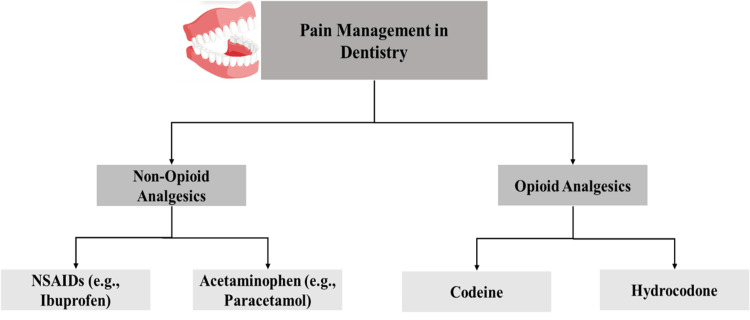
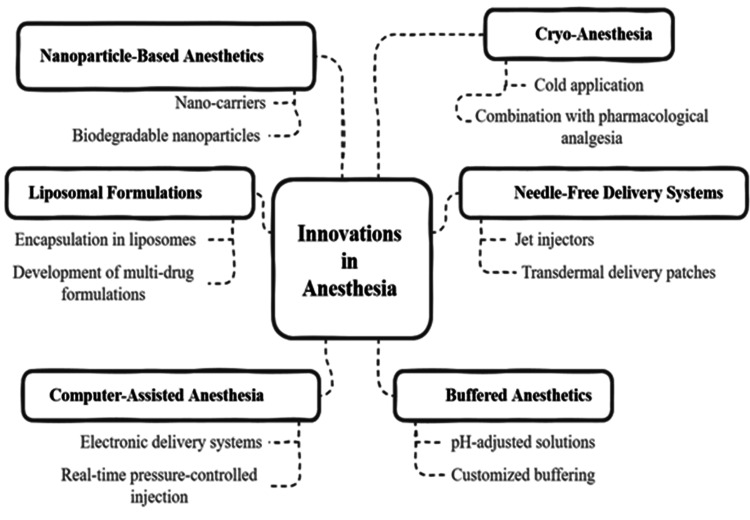
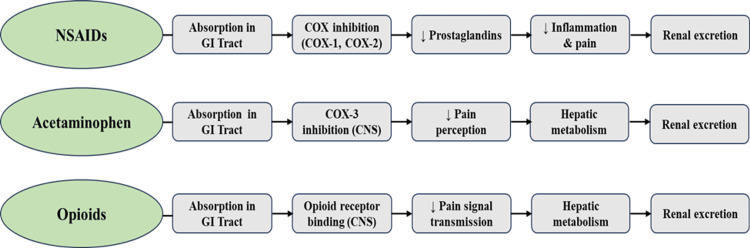
This review explores the essential role of pharmacology in dentistry, emphasizing the use of analgesics, antibiotics, and local anesthetics in managing pain, controlling infections, and ensuring procedural comfort. The integration of these pharmacological agents has significantly advanced dental care, allowing for more effective and patient-friendly treatments. Nonsteroidal anti-inflammatory drugs (NSAIDs) and acetaminophen serve as the primary analgesics, while opioids, despite their efficacy in severe cases, require careful prescribing due to their high risk of dependency and adverse effects. Antibiotics are indispensable for treating odontogenic infections and preventing systemic complications, yet their overuse has contributed to the global challenge of antimicrobial resistance, necessitating stringent antibiotic stewardship in dental practice. Local anesthetics, particularly lidocaine and articaine, have revolutionized pain-free dentistry, with advancements such as liposomal formulations, buffered anesthetics, and computer-assisted anesthesia enhancing their effectiveness and safety. Despite these innovations, challenges such as opioid dependency, antibiotic resistance, and individual variability in anesthetic response underscore the need for personalized pharmacotherapy. Emerging research in pharmacogenomics and novel drug delivery systems holds promise for optimizing treatment outcomes by tailoring pharmacological interventions to individual patient profiles. Future directions should focus on integrating precision medicine, improving antimicrobial strategies, and developing safer, more efficient anesthetic techniques. By incorporating evidence-based prescribing practices and adopting innovative pharmacological approaches, dentistry can continue to evolve toward safer, more effective, and patient-centered care.
本综述探讨了药理学在牙科中的重要作用,重点介绍了镇痛药、抗生素和局部麻醉药在控制疼痛、感染以及确保手术舒适度方面的应用。这些药物的整合显著推动了牙科护理的发展,使治疗更加有效且对患者更友好。非甾体抗炎药(NSAIDs)和对乙酰氨基酚是主要的镇痛药,而阿片类药物尽管在严重病例中疗效显著,但因其高度的成瘾风险和不良反应,需要谨慎处方。抗生素对于治疗牙源性感染和预防全身并发症不可或缺,然而其过度使用加剧了全球抗菌药物耐药性的挑战,因此在牙科实践中必须严格进行抗生素管理。局部麻醉药,尤其是利多卡因和阿替卡因,彻底改变了无痛牙科,脂质体制剂、缓冲麻醉剂和计算机辅助麻醉等进展提高了其有效性和安全性。尽管有这些创新,但阿片类药物成瘾、抗生素耐药性以及麻醉反应的个体差异等挑战凸显了个性化药物治疗的必要性。药物基因组学和新型药物递送系统的新兴研究有望通过根据个体患者情况定制药物干预措施来优化治疗效果。未来的方向应侧重于整合精准医学、改进抗菌策略以及开发更安全、更有效的麻醉技术。通过纳入循证处方实践并采用创新药理学方法,牙科可继续朝着更安全、更有效且以患者为中心的护理方向发展。