Chernyak Yury, Mohammad Ijaz Ahamed, Masnicak Nikolas, Pivoluska Matej, Plesch Martin
Institute of Physics, Slovak Academy of Sciences, Bratislava, Slovakia.
QTlabs, Clemens-Holzmeister-Straße 6/6 Etage 6, Wien, Austria.
PLoS One. 2025 Jun 27;20(6):e0326173. doi: 10.1371/journal.pone.0326173. eCollection 2025.
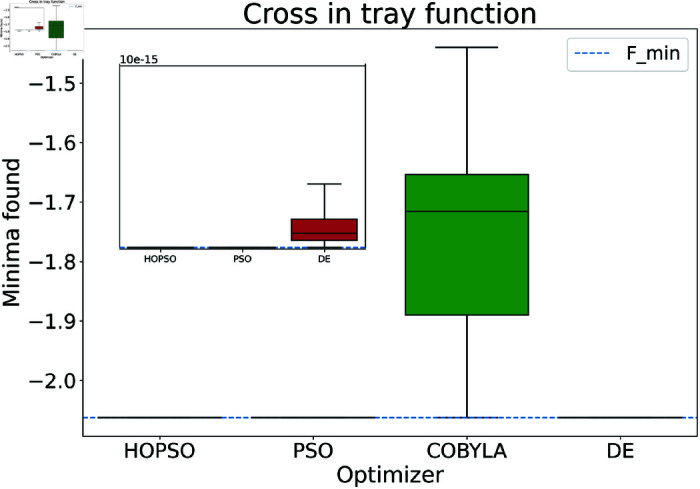
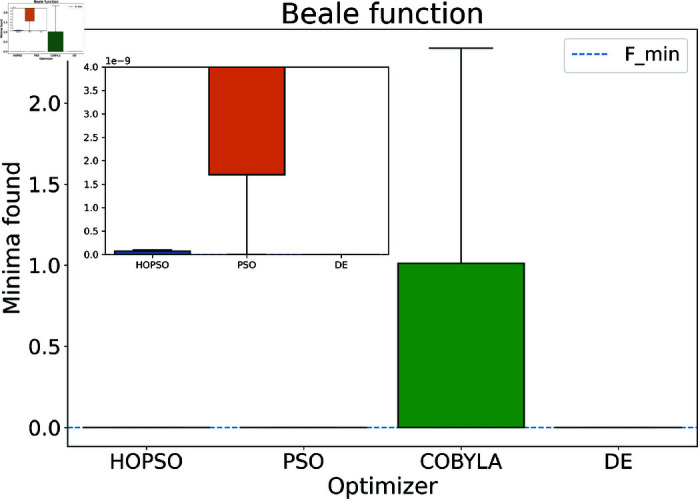
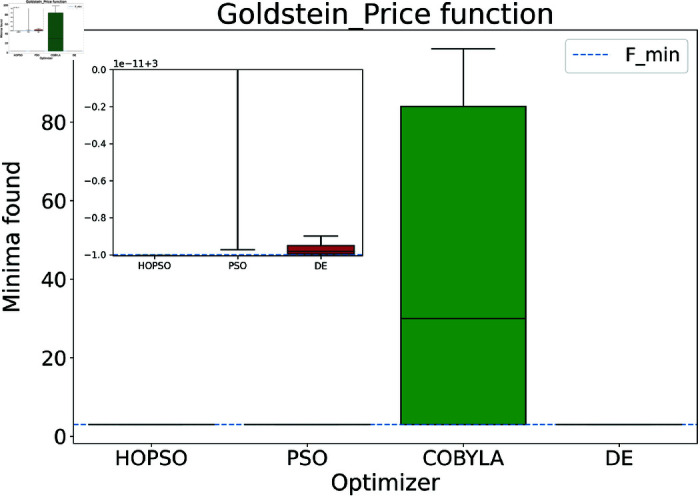
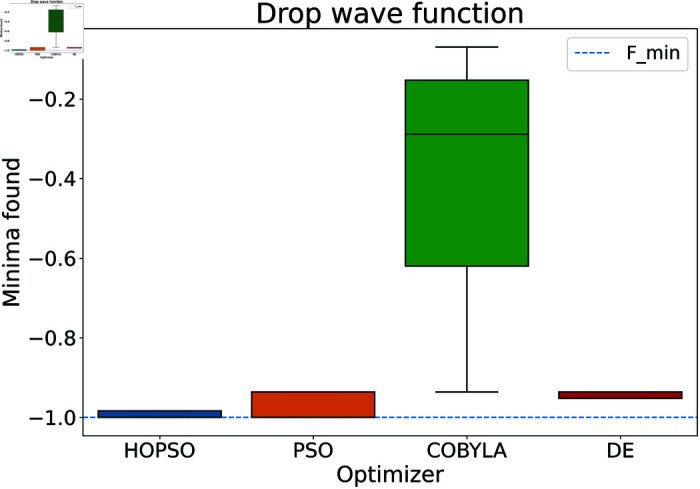
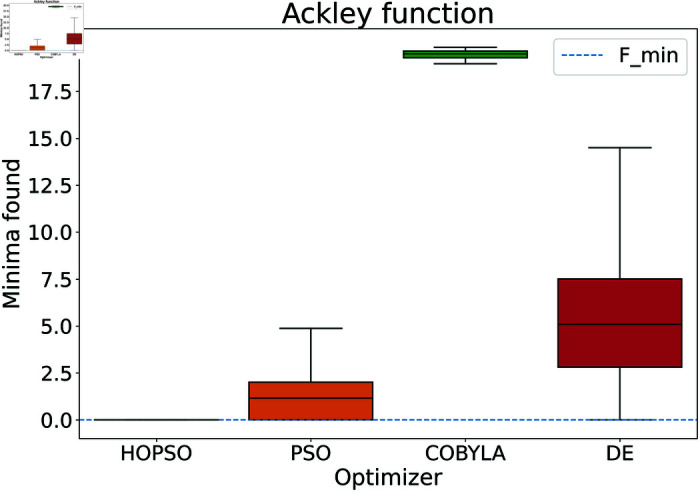
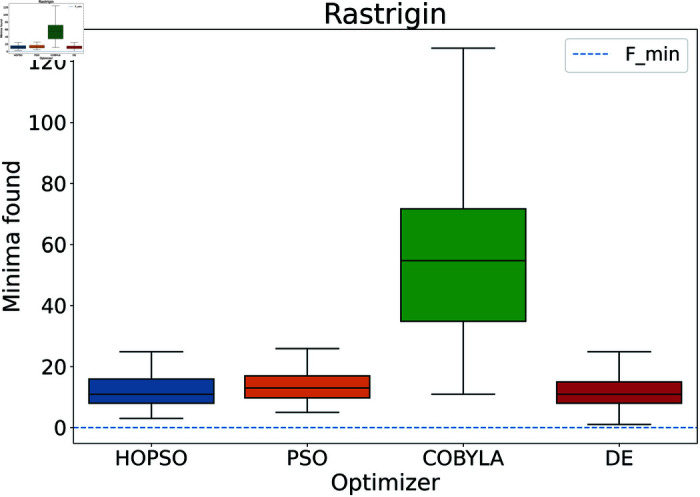
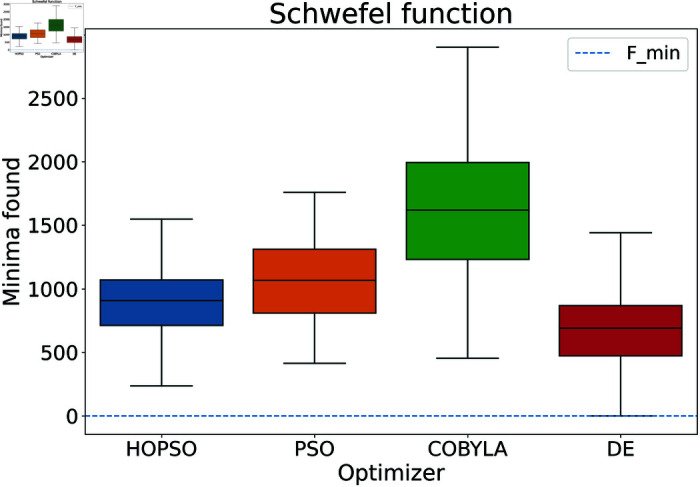
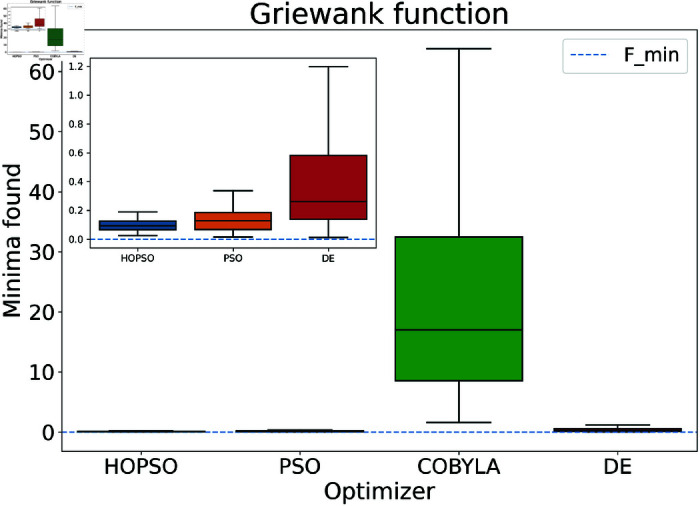
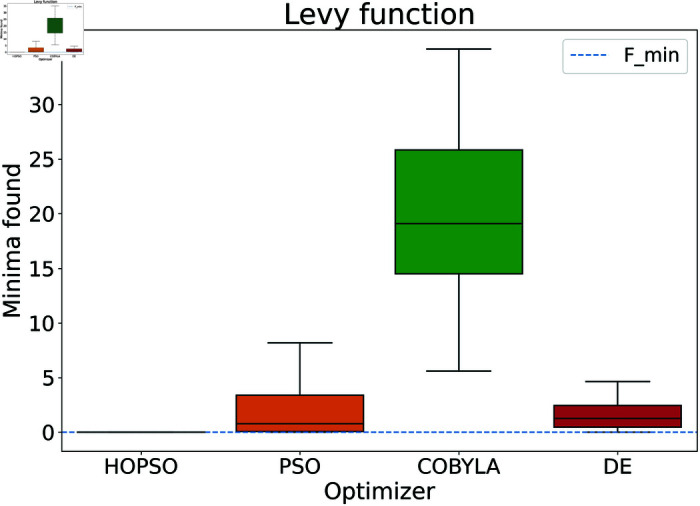
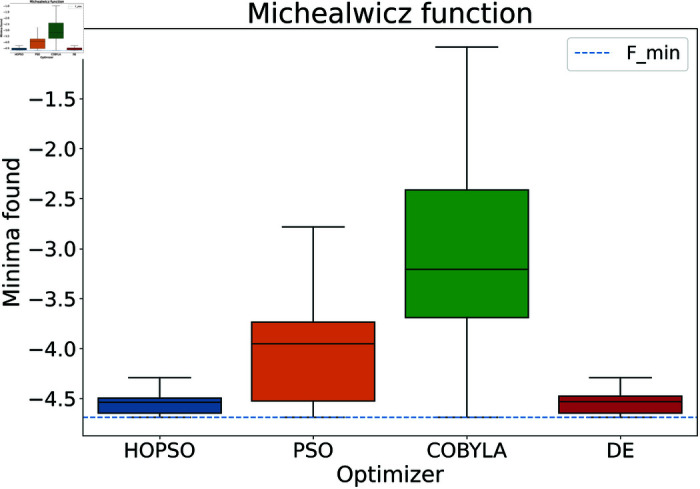
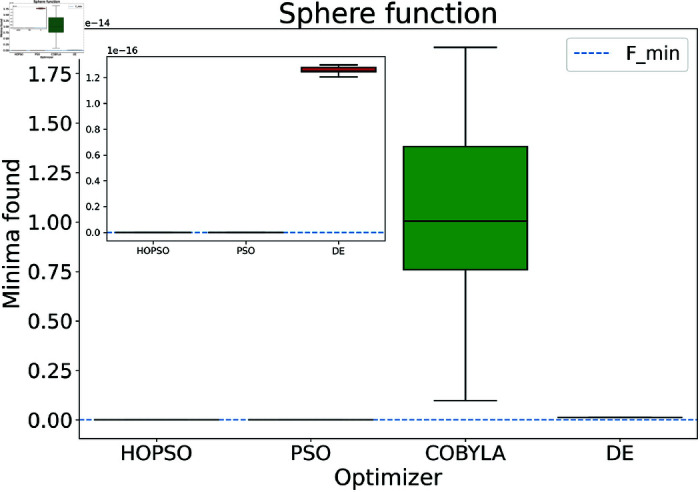
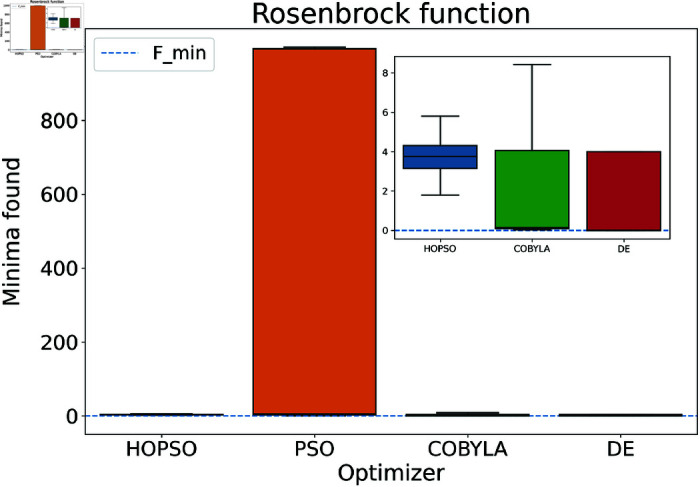
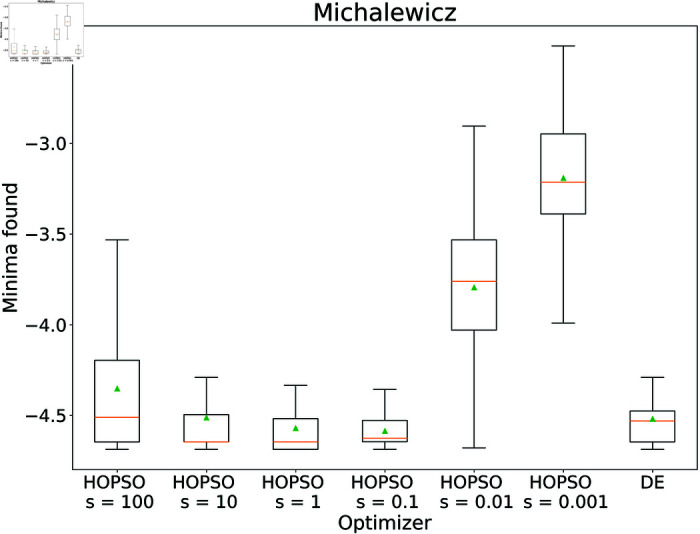
Numerical optimization techniques are widely applied across various fields of science and technology, ranging from determining the minimal energy of systems in physics and chemistry to identifying optimal routes in logistics or strategies for high-speed trading. Here, we present a novel method that integrates particle swarm optimization (PSO), a highly effective and widely used algorithm inspired by the collective behavior of bird flocks searching for food, with the physical principle of conserving energy and damping in harmonic oscillators. This physics-based approach allows smoother convergence throughout the optimization process and wider tunability options. We evaluated our method on a standard set of test functions and demonstrated that, in most cases, it outperforms its natural competitors, including the original PSO, as well as commonly used optimization methods such as COBYLA and Differential Evolution.
数值优化技术广泛应用于科学技术的各个领域,从确定物理和化学系统的最小能量到确定物流中的最优路线或高速交易策略。在此,我们提出一种新方法,该方法将粒子群优化算法(PSO)与谐波振荡器中的能量守恒和阻尼物理原理相结合。粒子群优化算法是一种高效且广泛使用的算法,其灵感来源于鸟群觅食的集体行为。这种基于物理的方法在整个优化过程中允许更平滑的收敛以及更广泛的可调性选项。我们在一组标准测试函数上评估了我们的方法,并证明在大多数情况下,它优于其天然竞争对手,包括原始的粒子群优化算法,以及常用的优化方法,如COBYLA和差分进化算法。