Delabie Willem, Boretti Gabriele, Groot Stephanie A, Ardanary Davina, Sigurjónsson Olafur, Klei Thomas R L, Vandekerckhove Philippe, Feys Hendrik B
Transfusion Research Center, Belgian Red Cross Flanders, Ottergemsesteenweg 413, 9000, Ghent, Belgium.
The Blood Bank, Landspitali University Hospital, Reykjavik, Iceland.
Stem Cell Res Ther. 2025 Jul 1;16(1):329. doi: 10.1186/s13287-025-04445-9.
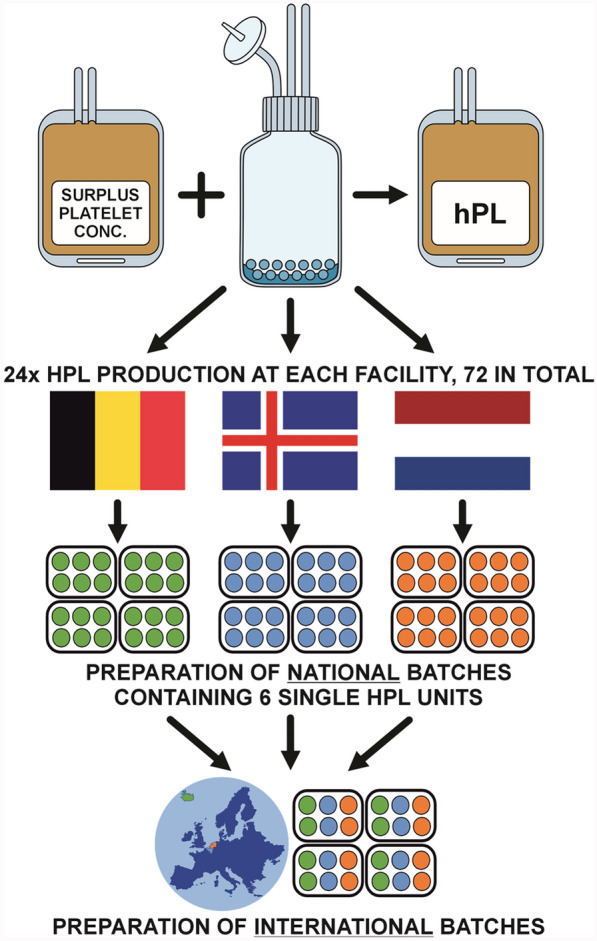
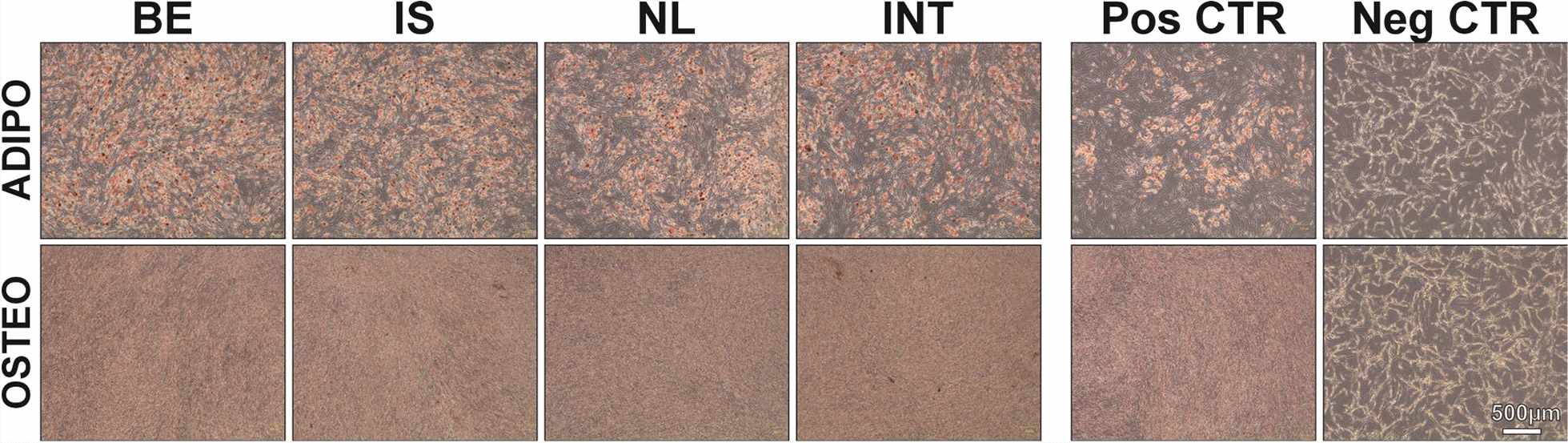
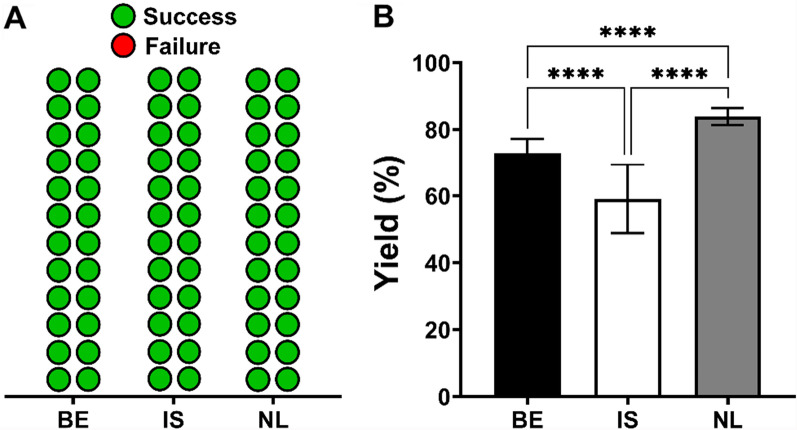
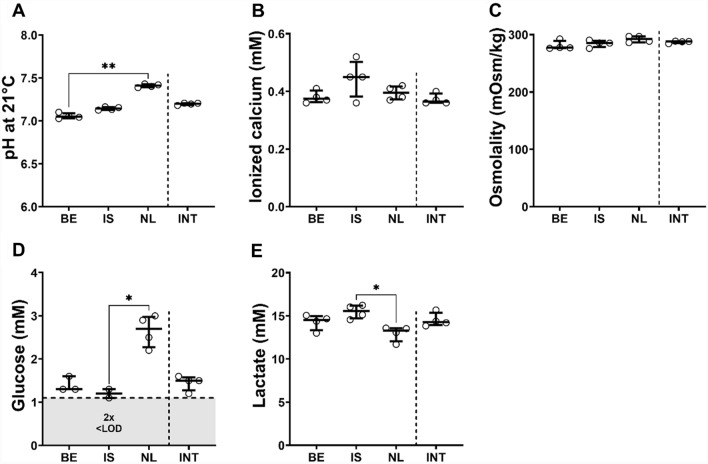
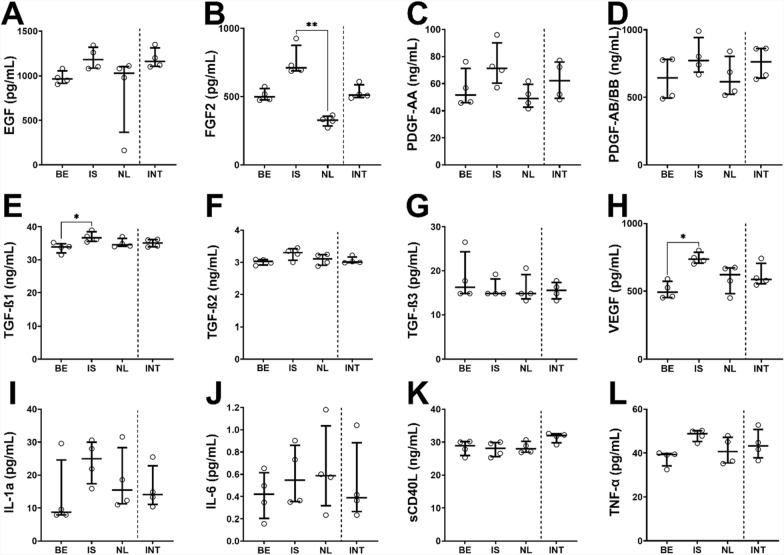
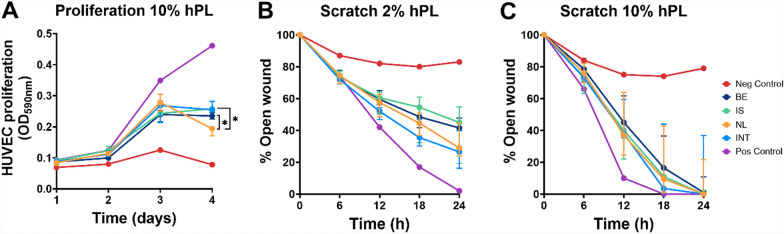
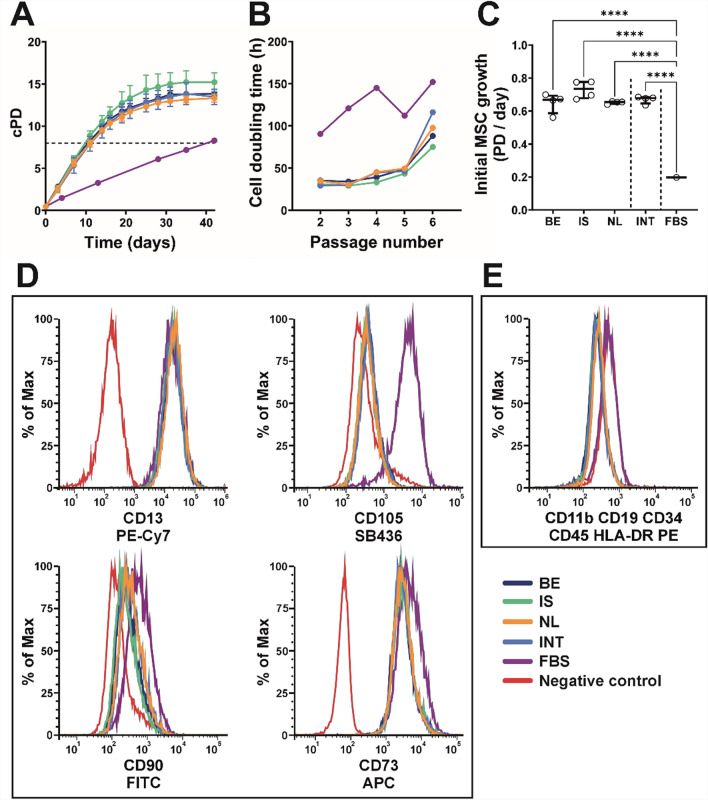
Human platelet lysate (hPL) is a clinically safe alternative to fetal bovine serum (FBS). However, variability in blood donation practices, platelet concentrate preparation methods, storage and hPL manufacturing complicates standardization across jurisdictions. This study aimed to establish a first multinational hPL manufacturing standardization across three European blood centers to test feasibility and variability. A single batch of hPL production sets was distributed to the participating centers. There, hPL was produced following a single standard operating protocol but starting from each center's unique platelet concentrates. Each center prepared four 'national' hPL batches and four 'international' batches. Researchers conducted blinded quality and variation analyses to ensure unbiased results. All hPL batches exhibited comparable total protein levels, pH, ionic strength, and lactate content. Analysis of twelve growth factors showed minor variations across batches. Endothelial cell outgrowth and wound closure were slower in hPL than FBS but remained consistent across batches. Mesenchymal stem cell (MSC) doubling was significantly faster in hPL than in FBS, with MSC phenotype consistency confirmed via flow cytometry. Differentiation into adipogenic and osteogenic tissue was successful in all hPL samples. The inter-institutional variation across all national batches was higher for all critical outcome parameters compared to the variation in the four international batches. These findings confirm the feasibility of manufacturing standardized hPL across borders and show lower variability when doing so. This supports further efforts to stabilize hPL supply and advance cytotherapy standardization in Europe.
人血小板裂解物(hPL)是胎牛血清(FBS)临床上安全的替代品。然而,献血操作、血小板浓缩物制备方法、储存和hPL生产的变异性使不同司法管辖区的标准化变得复杂。本研究旨在在三个欧洲血液中心建立首个跨国hPL生产标准化,以测试可行性和变异性。将一批hPL生产套件分发给参与中心。在那里,按照单一标准操作方案生产hPL,但从每个中心独特的血小板浓缩物开始。每个中心制备了四个“国家”hPL批次和四个“国际”批次。研究人员进行了盲法质量和变异分析,以确保结果无偏倚。所有hPL批次均表现出可比的总蛋白水平、pH值、离子强度和乳酸含量。对十二种生长因子的分析显示批次间存在微小差异。hPL中内皮细胞的生长和伤口愈合比FBS慢,但批次间保持一致。间充质干细胞(MSC)在hPL中的倍增速度明显快于FBS,通过流式细胞术确认了MSC表型的一致性。所有hPL样本均成功分化为脂肪生成和成骨组织。与四个国际批次的变异相比,所有国家批次在所有关键结果参数上的机构间变异更高。这些发现证实了跨国生产标准化hPL的可行性,并表明这样做时变异性较低。这支持了在欧洲进一步努力稳定hPL供应并推进细胞治疗标准化。