
PARP1抑制通过破坏EBNA2/MYC轴来阻止EBV阳性淋巴瘤的进展。
PARP1 Inhibition Halts EBV+ Lymphoma Progression by Disrupting the EBNA2/MYC Axis.
作者信息
Caruso Lisa Beatrice, Napoletani Giorgia, Soldan Samantha S, Maestri Davide, Kannan Toshitha, Preston-Alp Sarah, Vogel Peter, Kossenkov Andrew, Sobotka Asher, Lieberman Paul M, Tempera Italo
机构信息
The Wistar Institute, Philadelphia, Pennsylvania, USA.
Department of Comparative Pathology, St. Jude Children's Research Hospital, Memphis, Tennessee, USA.
出版信息
J Med Virol. 2025 Jul;97(7):e70485. doi: 10.1002/jmv.70485.
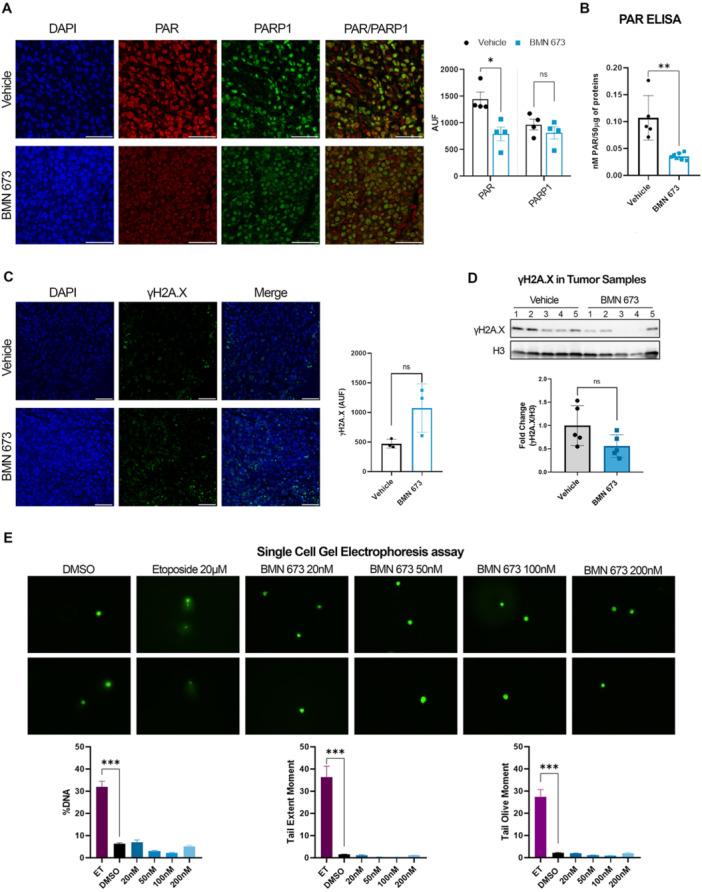
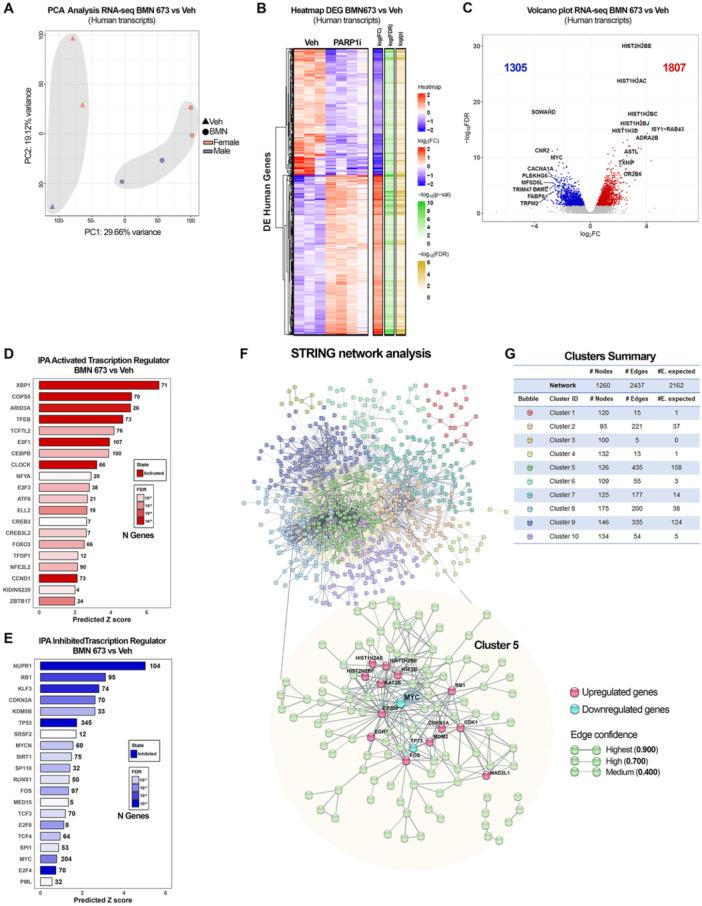
PARP1 has been shown to regulate EBV latency. However, the therapeutic effect of PARP1 inhibitors on EBV+ lymphomagenesis has not yet been explored. Here, we show that PARPi BMN 673 has a potent antitumor effect on EBV-driven LCL in a mouse xenograft model. We found that PARP1 inhibition induces a dramatic transcriptional reprogramming of LCLs driven largely by the reduction of the MYC oncogene expression and dysregulation of MYC targets, both in vivo and in vitro. PARP1 inhibition also reduced the expression of viral oncoprotein EBNA2, which we previously demonstrated depends on PARP1 for activation of MYC. Further, we show that PARP1 inhibition blocks the chromatin association of MYC, EBNA2, and tumor suppressor p53. Overall, our study strengthens the central role of PARP1 in EBV malignant transformation and identifies the EBNA2/MYC pathway as a target of PARP1 inhibitors and its utility for the treatment of EBNA2-driven EBV-associated cancers.
PARP1已被证明可调节EBV潜伏。然而,PARP1抑制剂对EBV阳性淋巴瘤发生的治疗效果尚未得到探索。在此,我们表明PARPi BMN 673在小鼠异种移植模型中对EBV驱动的淋巴母细胞样细胞系(LCL)具有强大的抗肿瘤作用。我们发现,PARP1抑制在体内和体外均诱导LCL发生显著的转录重编程,这主要是由MYC癌基因表达的降低和MYC靶点的失调所驱动。PARP1抑制还降低了病毒癌蛋白EBNA2的表达,我们之前证明EBNA2激活MYC依赖于PARP1。此外,我们表明PARP1抑制会阻断MYC、EBNA2和肿瘤抑制因子p53与染色质的结合。总体而言,我们的研究强化了PARP1在EBV恶性转化中的核心作用,并确定EBNA2/MYC途径为PARP1抑制剂的靶点及其在治疗EBNA2驱动的EBV相关癌症中的效用。




 Zotero 插件