Mahmud Md Abdullah All, Afrin Sadia, Mridha M F, Alfarhood Sultan, Che Dunren, Safran Mejdl
Department of Computer Science, American International University-Bangladesh, Dhaka, Bangladesh.
Department of Computer Science and Engineering, World University of Bangladesh, Dhaka , Bangladesh.
Sci Rep. 2025 Jul 8;15(1):24533. doi: 10.1038/s41598-025-09938-4.
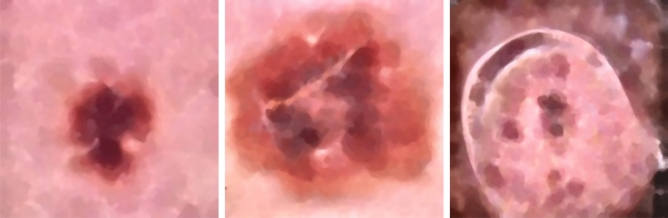
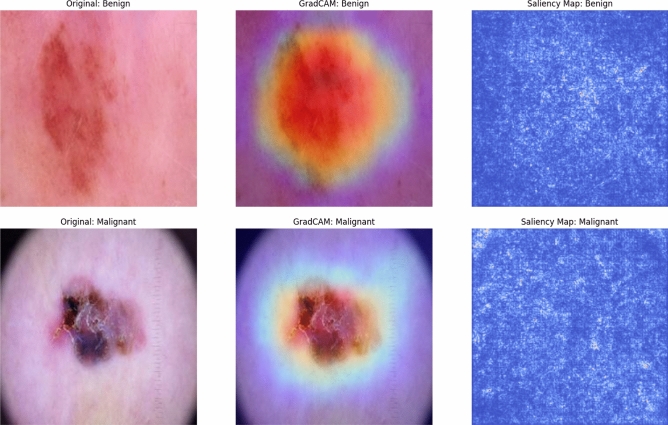
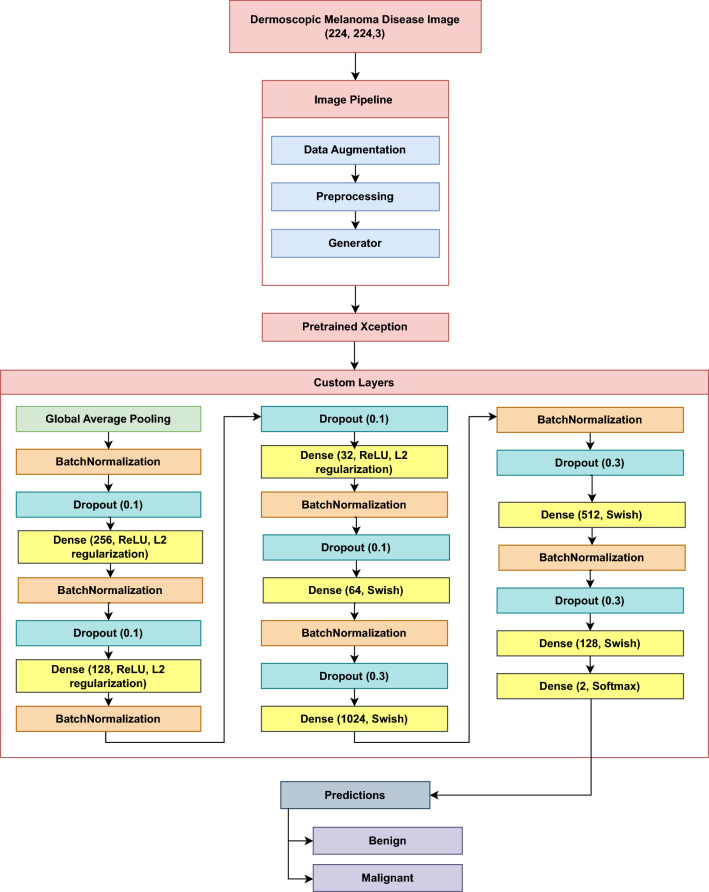
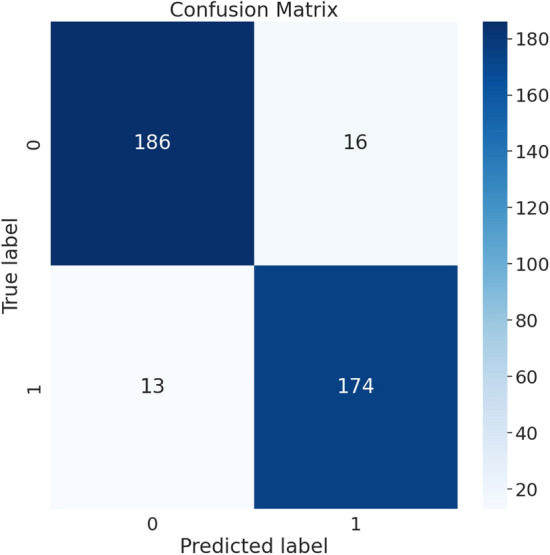
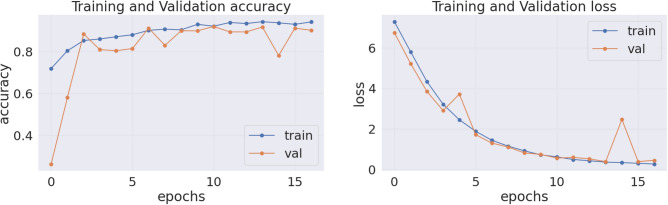
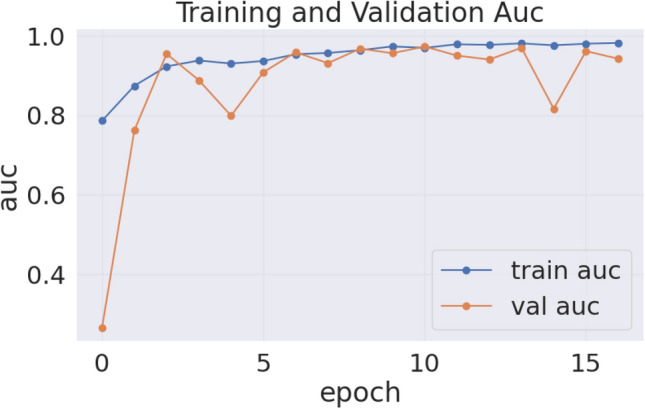
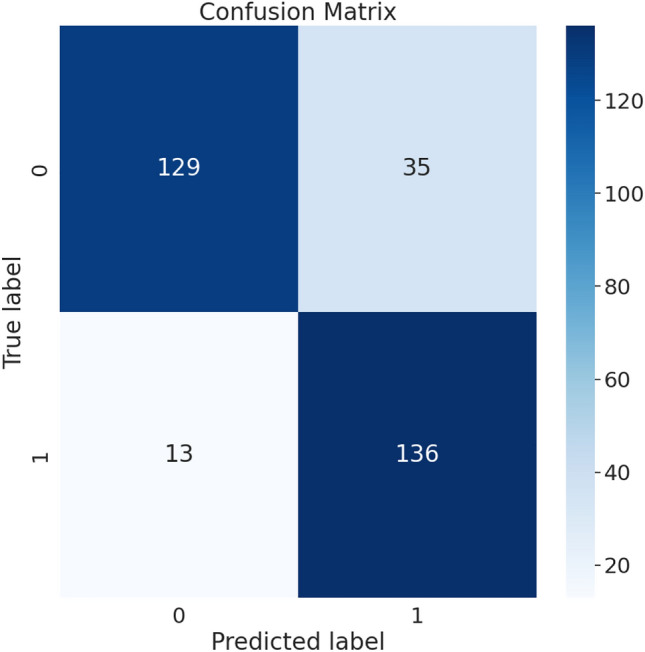
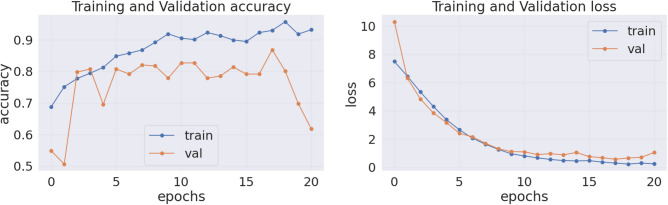
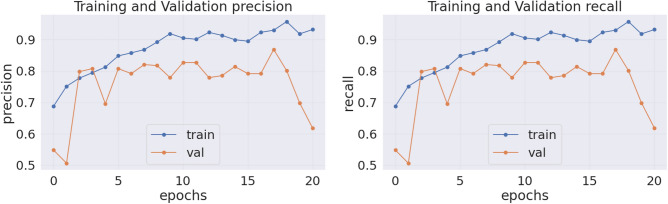
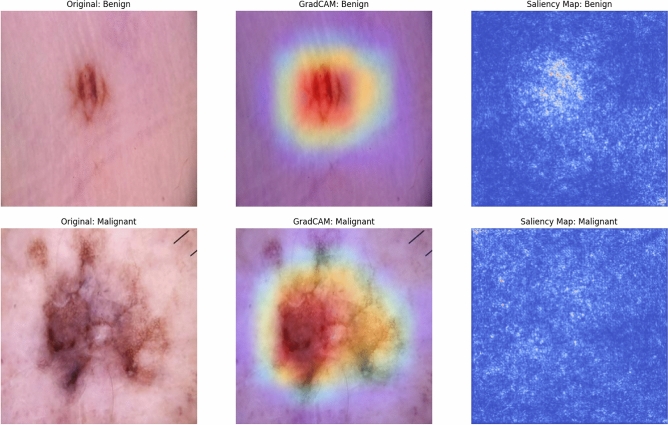
Detecting skin melanoma in the early stage using dermoscopic images presents a complex challenge due to the inherent variability in images. Utilizing dermatology datasets, the study aimed to develop Automated Diagnostic Systems for early skin cancer detection. Existing methods often struggle with diverse skin types, cancer stages, and imaging conditions, highlighting a critical gap in reliability and explainability. The novel approach proposed through this research addresses this gap by utilizing a proposed model with advanced layers, including Global Average Pooling, Batch Normalization, Dropout, and dense layers with ReLU and Swish activations to improve model performance. The proposed model achieved accuracies of 95.23% and 96.48% for the two different datasets, demonstrating its robustness, reliability, and strong performance across other performance metrics. Explainable AI techniques such as Gradient-weighted Class Activation Mapping and Saliency Maps offered insights into the model's decision- making process. These advancements enhance skin cancer diagnostics, provide medical experts with resources for early detection, improve clinical outcomes, and increase acceptance of Deep Learning-based diagnostics in healthcare.
由于皮肤镜图像固有的变异性,利用皮肤镜图像早期检测皮肤黑色素瘤是一项复杂的挑战。该研究利用皮肤病学数据集,旨在开发用于早期皮肤癌检测的自动诊断系统。现有方法在面对不同的皮肤类型、癌症阶段和成像条件时往往存在困难,这凸显了在可靠性和可解释性方面的关键差距。本研究提出的新方法通过使用具有先进层的模型来解决这一差距,该模型包括全局平均池化、批归一化、随机失活以及带有ReLU和Swish激活函数的全连接层,以提高模型性能。对于两个不同的数据集,所提出的模型分别达到了95.23%和96.48%的准确率,证明了其在其他性能指标方面的稳健性、可靠性和强大性能。诸如梯度加权类激活映射和显著性图等可解释人工智能技术为模型的决策过程提供了见解。这些进展增强了皮肤癌诊断能力,为医学专家提供了早期检测资源,改善了临床结果,并提高了医疗保健领域对基于深度学习的诊断方法的接受度。