Gao Fei, Teng Fei, Wan Yuxiang, Zhang Qiaoli, Huang Jinchang
Beijing University of Chinese Medicine Third Affiliated Hospital, Beijing, 100029, China.
Department of Acupuncture and Mini-Invasive Oncology, Beijing University of Chinese Medicine Third Affiliated Hospital, Beijing, 100029, China.
Discov Oncol. 2025 Jul 25;16(1):1407. doi: 10.1007/s12672-025-03216-5.
Hepatocellular carcinoma (HCC), a common and lethal form of liver cancer, includes mitochondrial dysfunction in its pathogenesis.
This study investigated the relationship between mitochondrial function-related genes and HCC progression.
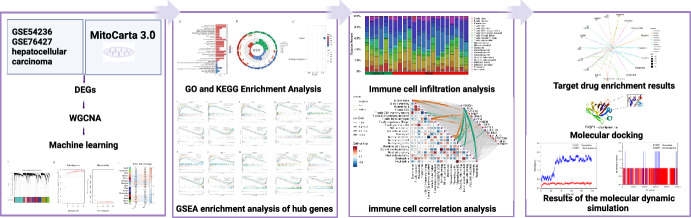
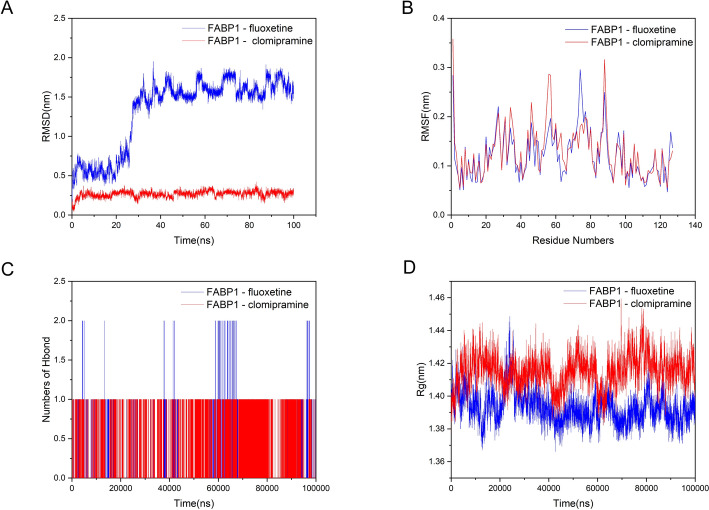
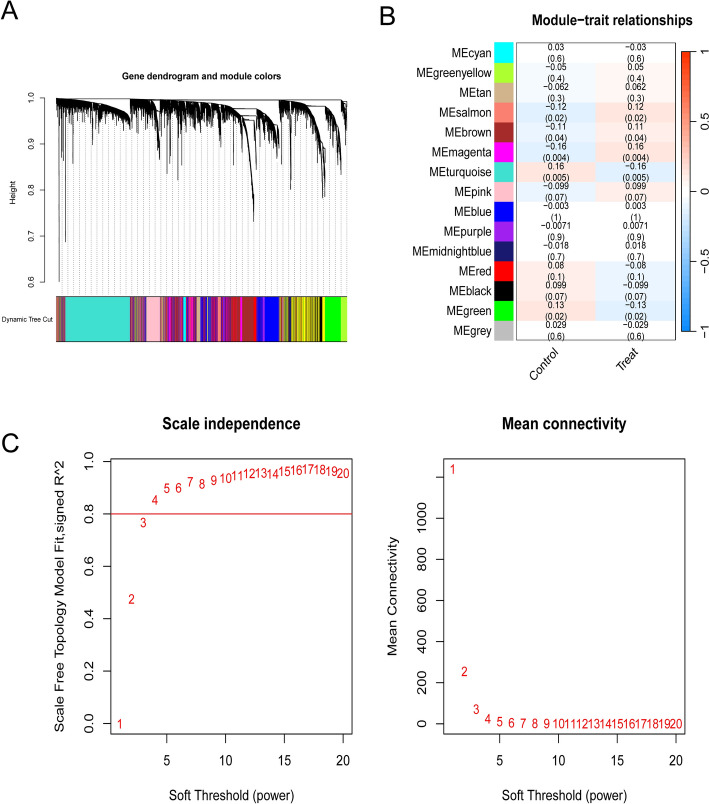
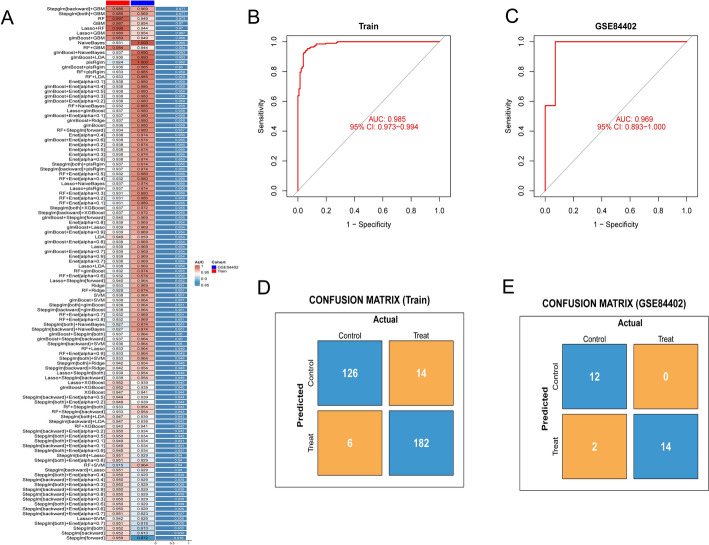
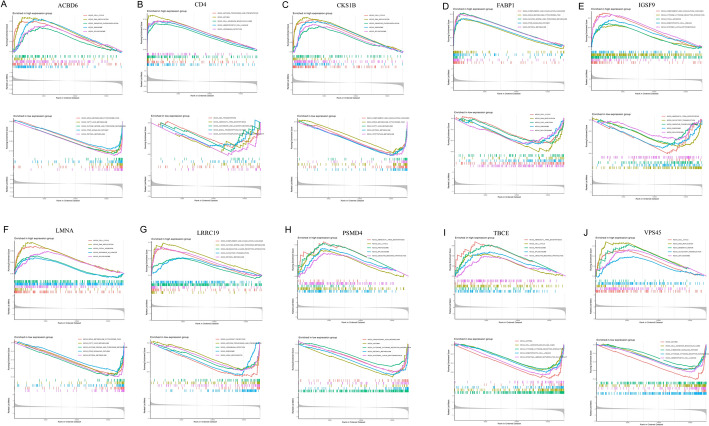
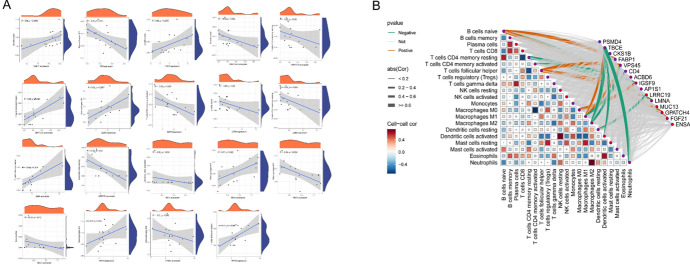
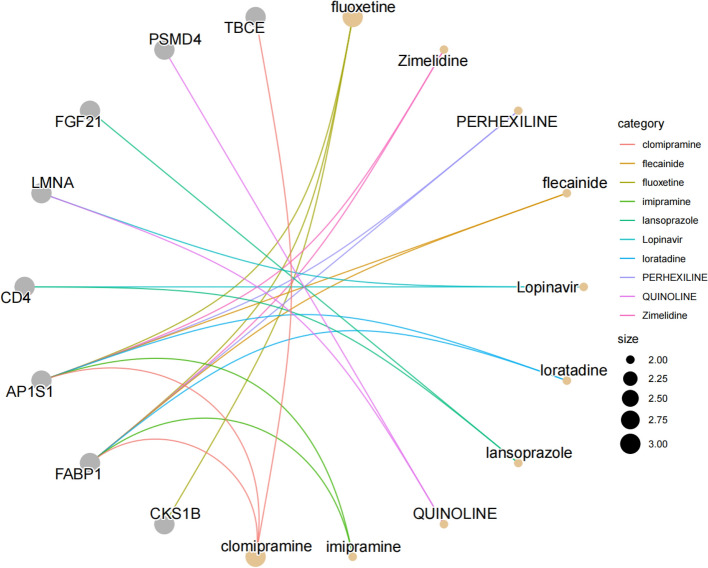
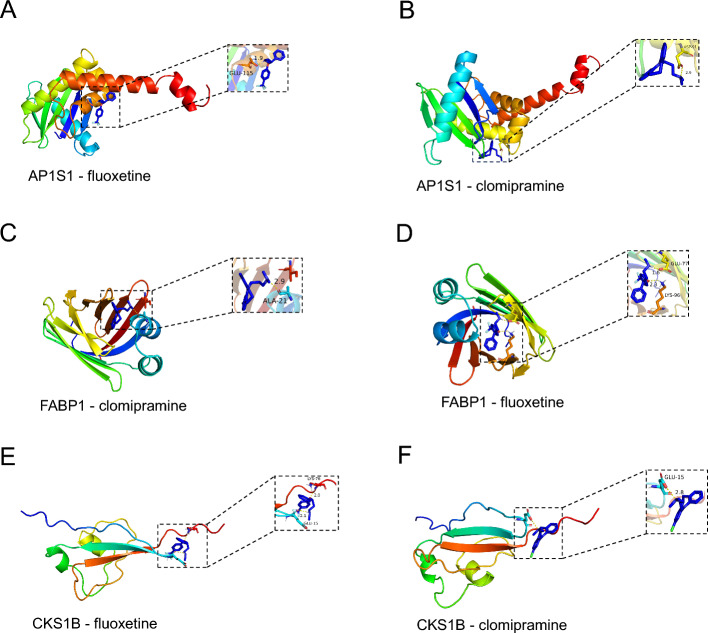
We systematically retrieved mitochondrial genetic data from the MitoCarta database and identified differentially expressed genes through Gene Expression Omnibus analysis. Weighted gene co-expression network analysis was subsequently employed to construct co-expression networks and identify key modules associated with HCC progression. We evaluated 113 machine learning algorithms to develop mitochondrial gene-based prognostic models. Gene set enrichment analysis further delineated the pathways and biological processes enriched in the module hub genes, offering mechanistic insights into HCC. Immune infiltration analysis using CIBERSORT highlighted the pivotal roles of M1 and M2 macrophages in HCC. Finally, therapeutic candidates targeting critical genes were explored using computational drug prediction, molecular docking, and molecular dynamic simulations, providing novel strategies for HCC-targeted therapy.
Stepwise Logistic Regression with Gradient Boosting Machine was chosen as the optimal model (area under the curve [AUC] = 0.977). Moreover, 15 potential HCC biomarkers were identified, including PSMD4 (AUC = 0.888), TBCE (AUC = 0.879), and CKS1B (AUC = 0.860). Additionally, fluoxetine and paroxetine were predicted as potential HCC drugs and validated through molecular docking and dynamic simulations.
This study highlights the prognostic significance of mitochondrial function-related genes in HCC and establishes a framework for developing innovative diagnostic and therapeutic interventions. Future research should prioritize clinical validation of these findings and evaluate the translational potential of the identified drug candidates in HCC.
肝细胞癌(HCC)是一种常见且致命的肝癌形式,其发病机制包括线粒体功能障碍。
本研究调查线粒体功能相关基因与HCC进展之间的关系。
我们从MitoCarta数据库系统检索线粒体遗传数据,并通过基因表达综合分析鉴定差异表达基因。随后采用加权基因共表达网络分析构建共表达网络,并识别与HCC进展相关的关键模块。我们评估了113种机器学习算法以开发基于线粒体基因的预后模型。基因集富集分析进一步描绘了模块中心基因中富集的通路和生物学过程,为HCC提供了机制性见解。使用CIBERSORT进行的免疫浸润分析突出了M1和M2巨噬细胞在HCC中的关键作用。最后,使用计算药物预测、分子对接和分子动力学模拟探索靶向关键基因的治疗候选物,为HCC靶向治疗提供了新策略。
选择具有梯度提升机的逐步逻辑回归作为最佳模型(曲线下面积[AUC]=0.977)。此外,鉴定了15种潜在的HCC生物标志物,包括PSMD4(AUC=0.888)、TBCE(AUC=0.879)和CKS1B(AUC=0.860)。此外,氟西汀和帕罗西汀被预测为潜在的HCC药物,并通过分子对接和动态模拟得到验证。
本研究突出了线粒体功能相关基因在HCC中的预后意义,并建立了开发创新诊断和治疗干预措施的框架。未来的研究应优先对这些发现进行临床验证,并评估所鉴定药物候选物在HCC中的转化潜力。