Miaffo David, Kamgue Oulianovie Guessom, Kolefer Kilenma, Dadaya Elizé, Mahamad Talba Abba, Maidadi Barthelemy, Kamanyi Albert
Department of Life and Earth Sciences, Higher Teachers' Training College, University of Maroua, P.O. Box 55, Maroua, Cameroun.
Department of Animal Science, Faculty of Agriculture and Veterinary Medicine, University of Buea, P.O. Box 63, Buea, Cameroon.
BMC Complement Med Ther. 2025 Jul 28;25(1):288. doi: 10.1186/s12906-025-05027-1.
Cissus polyantha (C. polyantha) Glig and Bradt is a climbing plant of the Vitaceae family generally distributed in tropical regions and used in traditional African pharmacopoeia for the treatment of conjunctivitis, pain, inflammation, microbial diseases and diabetes mellitus. The aim of this study was to evaluate the acute and subacute toxicity of the aqueous extract from leafy stems of C. polyantha (AECP) in rats.
In acute toxicity, AECP was administered orally at a single dose of 2000 mg/kg. Clinical signs, general behavior and mortality were assessed for 14 days. In subacute toxicity, AECP at 111, 222 and 444 mg/kg was administered orally for 28 days. Body weight, internal organ weight, water intake, food consumption, biochemical parameters, hematological profile and histological examinations were evaluated.
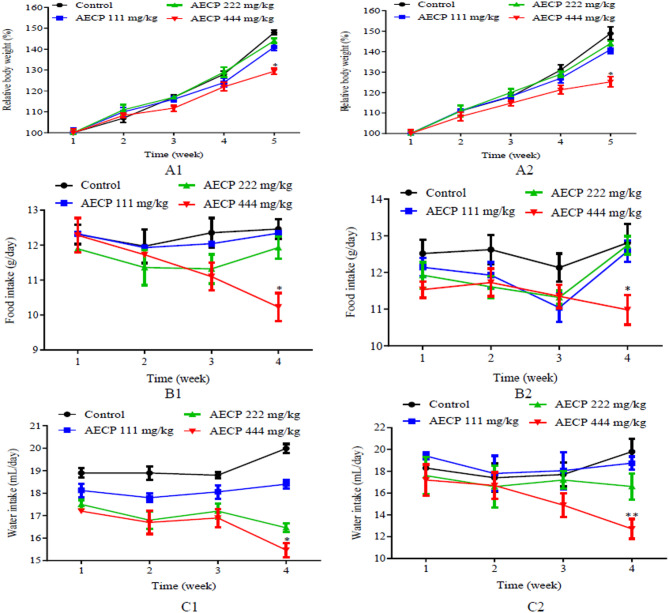
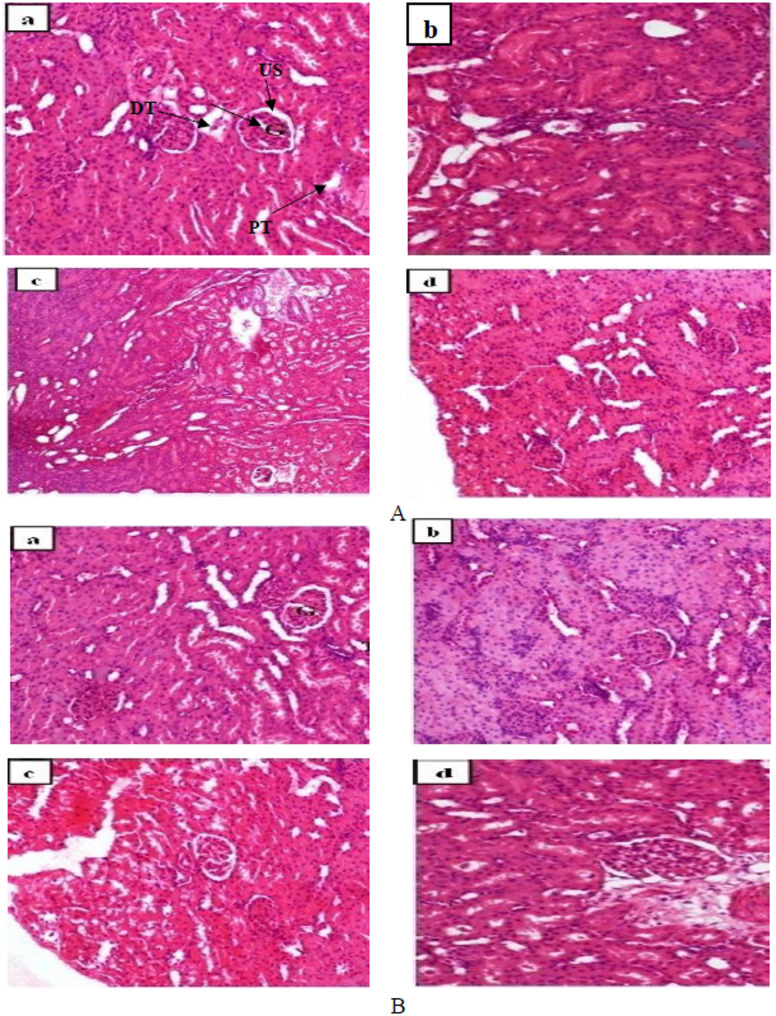
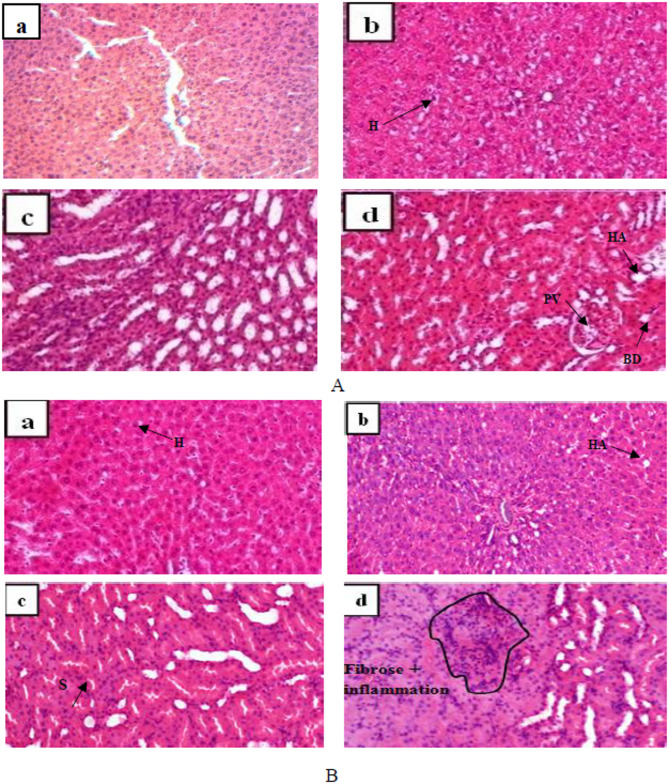
Acute toxicity results showed no signs of poisoning and no mortality. The mean lethal dose (LD) of AECP was therefore greater than 2000 mg/kg. In subacute toxicity, a significant increase in body weight, water and food consumption, liver weight and lymphocyte counts as well as a decrease in ALT activity and creatinine levels were recorded in rats of both sexes treated at 222 and/or 444 mg/kg. AECP caused a notable reduction in uric acid, total cholesterol and triglycerides at all doses tested. Histopathological analysis of rat kidneys shows slight mesengial hyperplasia at 444 mg/kg. However, all other parameters evaluated did not experience significant variation after AECP administration at all doses.
In acute toxicity, the LD is greater than 2000 mg/kg, so AECP is of low toxicity. In subacute toxicity, only the dose of 444 mg/kg of AECP resulted in decreased body weight, water and food consumption, and increased liver weight, ALT activity, and lymphocyte counts. Doses below 444 mg/kg may therefore be safe.
多花白粉藤(Cissus polyantha)Glig和Bradt是葡萄科的一种攀缘植物,广泛分布于热带地区,在非洲传统药典中用于治疗结膜炎、疼痛、炎症、微生物疾病和糖尿病。本研究的目的是评估多花白粉藤带叶茎水提取物(AECP)对大鼠的急性和亚急性毒性。
在急性毒性试验中,以2000mg/kg的单次剂量口服给予AECP。评估14天内的临床症状、一般行为和死亡率。在亚急性毒性试验中,以111、222和444mg/kg的剂量口服给予AECP,持续28天。评估体重、内脏器官重量、饮水量、食物摄入量、生化参数、血液学指标和组织学检查结果。
急性毒性试验结果显示无中毒迹象和死亡情况。因此,AECP的平均致死剂量(LD)大于2000mg/kg。在亚急性毒性试验中,接受222和/或444mg/kg治疗的雌雄大鼠体重、饮水量和食物摄入量、肝脏重量和淋巴细胞计数显著增加,谷丙转氨酶(ALT)活性和肌酐水平降低。在所有测试剂量下,AECP均导致尿酸、总胆固醇和甘油三酯显著降低。大鼠肾脏组织病理学分析显示,在444mg/kg剂量下有轻微的系膜增生。然而,在所有剂量下给予AECP后,所有其他评估参数均未出现显著变化。
在急性毒性试验中,LD大于2000mg/kg,因此AECP毒性较低。在亚急性毒性试验中,仅444mg/kg剂量的AECP导致体重、饮水量和食物摄入量下降,肝脏重量、ALT活性和淋巴细胞计数增加。因此,低于444mg/kg的剂量可能是安全的。