Shokri Kasra, Karimian Azin, Radfar Azar, Mohammadi Abbas, Amerizadeh Atefeh, Karimi Raheleh, Sadeghi Masoumeh
Cardiac Rehabilitation Research Center, Cardiovascular Research Institute, Isfahan University of Medical Science, Isfahan, Iran.
Cardiology Division, Department of Medicine, Massachusetts General Hospital, Harvard Medical School, Boston, USA.
BMC Sports Sci Med Rehabil. 2025 Aug 9;17(1):233. doi: 10.1186/s13102-025-01270-8.
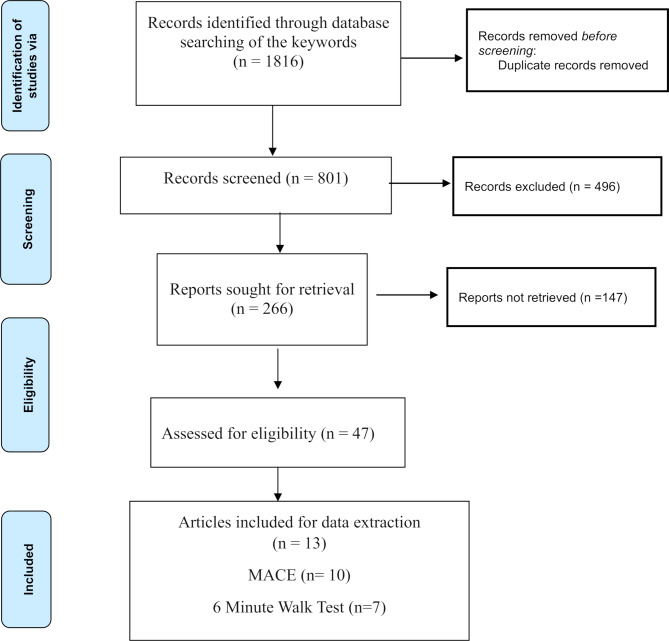
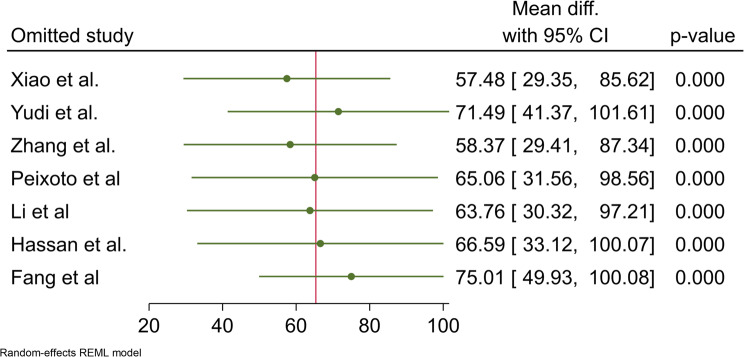
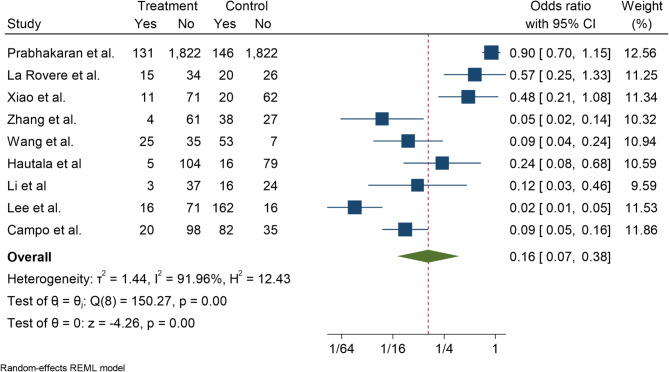
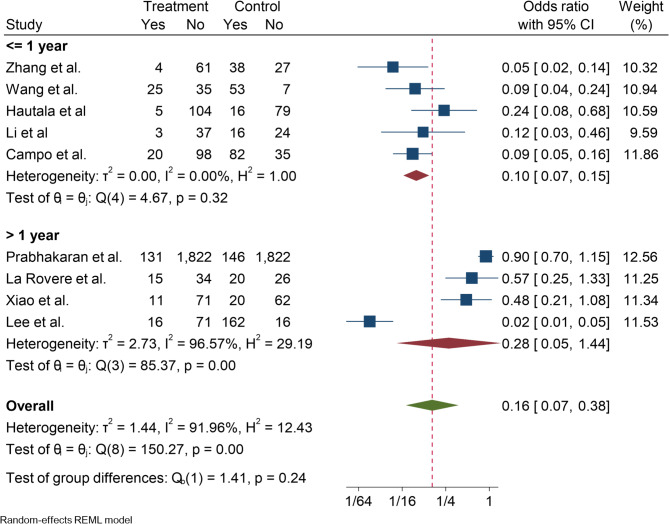
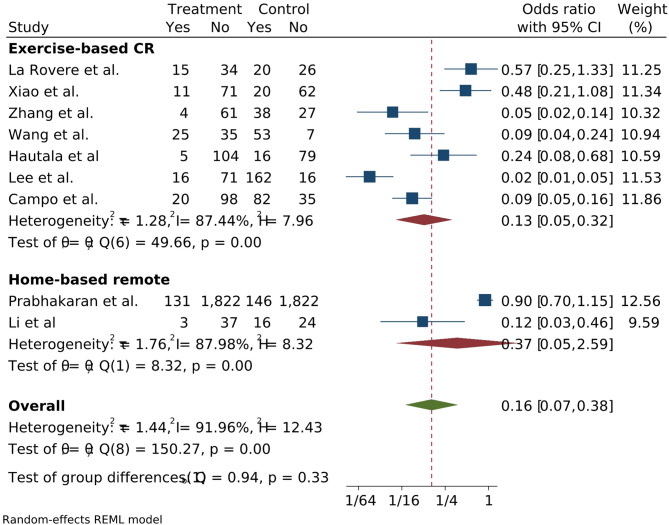
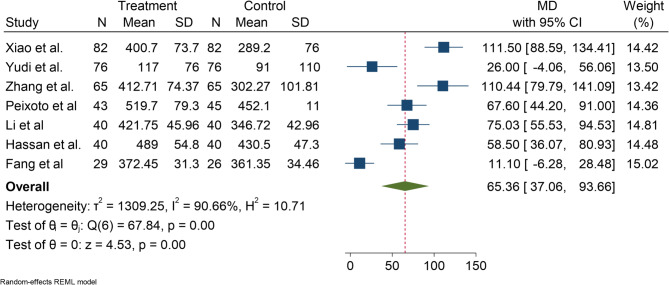
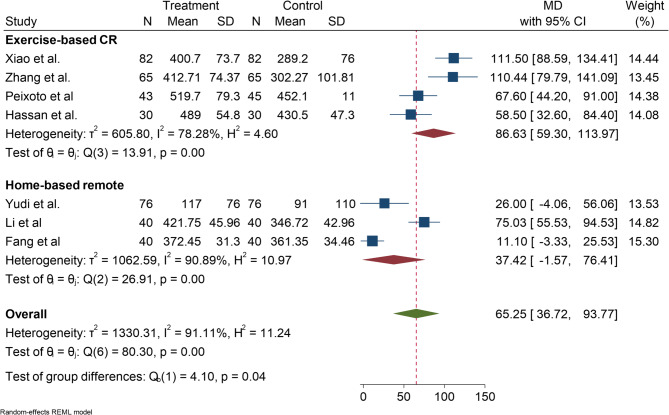
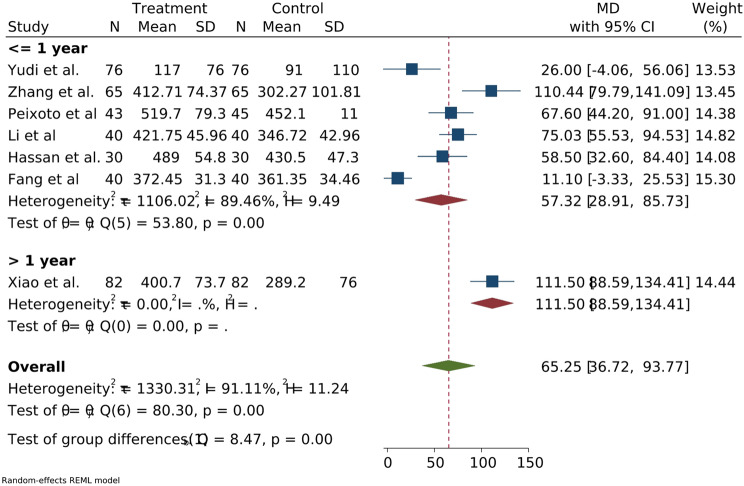
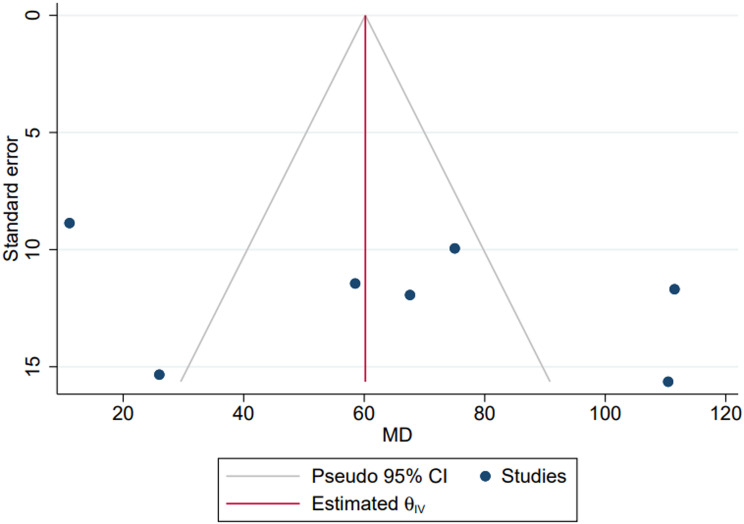
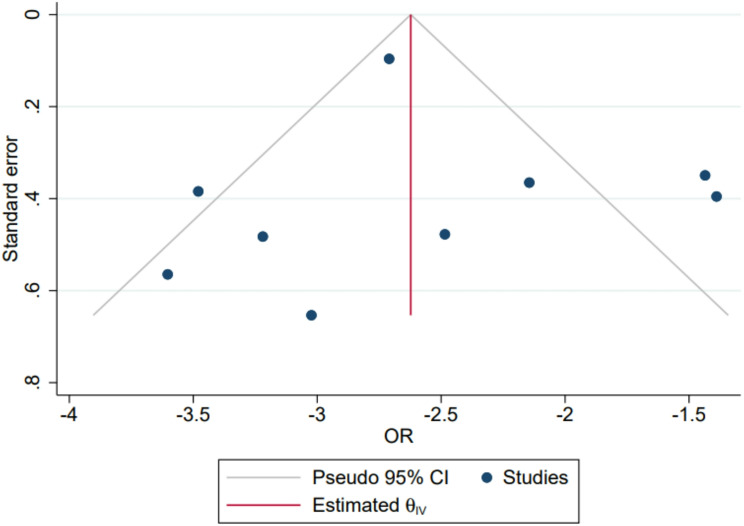
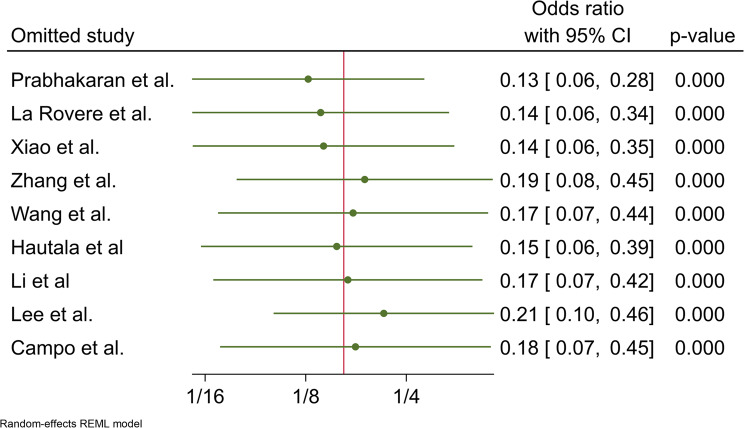
Acute Coronary Syndrome (ACS) poses a significant threat to cardiovascular health. This study evaluates the effects of structured exercise cardiac rehabilitation (CR) both center-based and home-based on incidence of major adverse cardiovascular events (MACE) and 6 min Walk Test (6MWT) in ACS patients.A systematic literature search was conducted across major databases to identify randomized controlled trials (RCT) published from 2000 to March 2024. Random-effects model was applied for meta-analysis. Cochran's Q and I values were applied to determine heterogeneity, followed by subgroup analyses for exploring sources of heterogeneity. Sensitivity and publication bias analyses were performed.Ten RCTs showed that rehabilitation significantly reduced the odds of MACE compared to usual care (OR: 0.16, 95% CI: 0.07-0.38; p = 0.00). In terms of type of rehabilitation, center-based CR had a lower odd of MACE (OR: 0.13) than home-based CR (OR: 0.37), though the difference was not statistically significant (p = 0.24). In terms of follow-up duration, studies with ≤ 1 year follow-up reported lower MACE odds (OR: 0.10) compared to those > 1 year (OR: 0.28), also not statistically significant (p = 0.33). For functional capacity, analysis of seven studies showed that rehabilitation significantly improved 6MWT performance. Exercise-based rehabilitation led to an average increase of 86.24 m, Home-based rehabilitation showed a smaller gain of 37.63 m, with a significant difference between the two groups (p = 0.04).This meta-analysis provides strong evidence that CR, particularly structured exercise-based programs, significantly reduces the risk of MACE and improves functional capacity in patients with cardiovascular disease.
急性冠状动脉综合征(ACS)对心血管健康构成重大威胁。本研究评估了基于中心和基于家庭的结构化运动心脏康复(CR)对ACS患者主要不良心血管事件(MACE)发生率和6分钟步行试验(6MWT)的影响。在各大数据库中进行了系统的文献检索,以识别2000年至2024年3月发表的随机对照试验(RCT)。采用随机效应模型进行荟萃分析。应用Cochran's Q和I值来确定异质性,随后进行亚组分析以探索异质性来源。进行了敏感性和发表偏倚分析。十项RCT表明,与常规治疗相比,康复显著降低了MACE的发生率(OR:0.16,95%CI:0.07 - 0.38;p = 0.00)。就康复类型而言,基于中心的CR发生MACE的几率(OR:0.13)低于基于家庭的CR(OR:0.37),尽管差异无统计学意义(p = 0.24)。就随访持续时间而言,随访时间≤1年的研究报告的MACE几率(OR:0.10)低于随访时间>1年的研究(OR:0.28),差异也无统计学意义(p = 0.33)。对于功能能力,七项研究的分析表明,康复显著改善了6MWT表现。基于运动的康复平均增加了86.24米,基于家庭的康复增加幅度较小,为37.63米,两组之间存在显著差异(p = 0.04)。这项荟萃分析提供了有力证据,表明CR,特别是基于结构化运动的方案,显著降低了心血管疾病患者发生MACE的风险并改善了功能能力。