Kameni Serge L, Dlamini Notsile H, Feugang Jean M
Department of Animal and Dairy Sciences, Mississippi State University, Starkville, MS 39762, USA.
Animals (Basel). 2025 Jul 22;15(15):2163. doi: 10.3390/ani15152163.
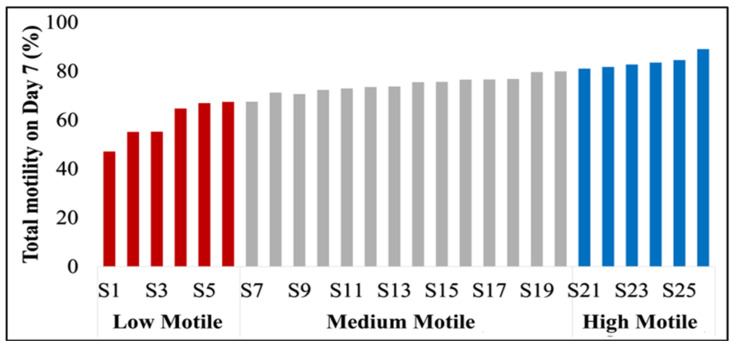
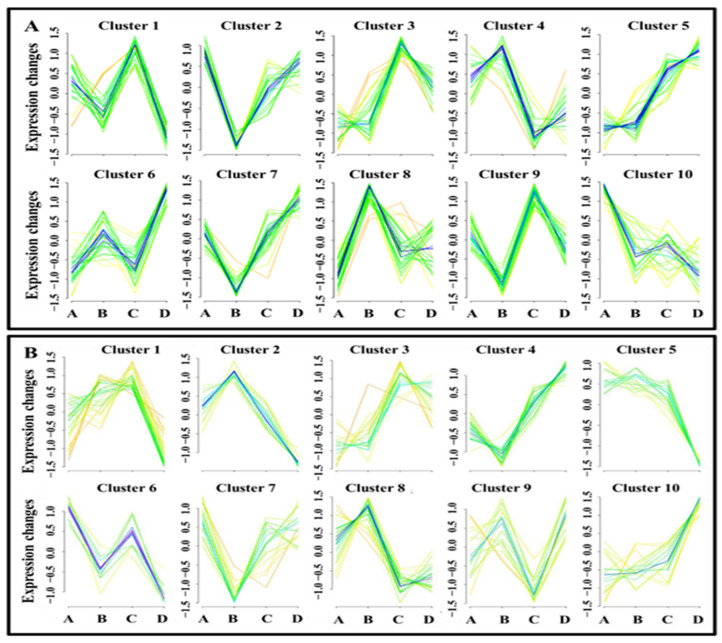
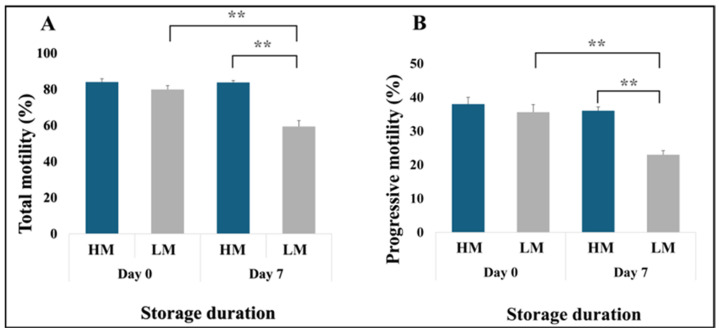
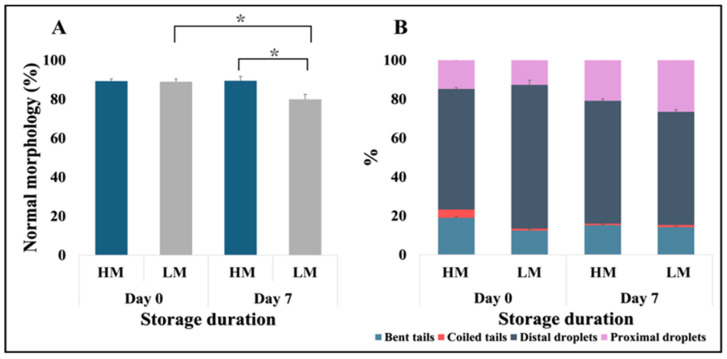
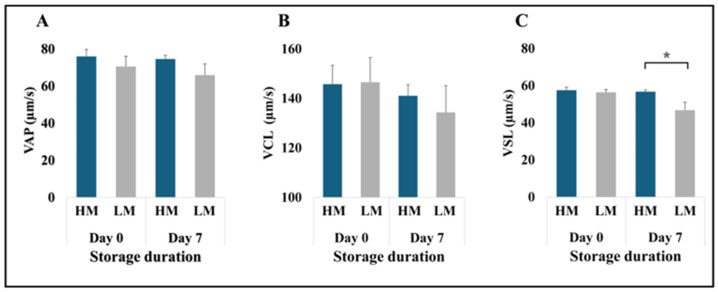
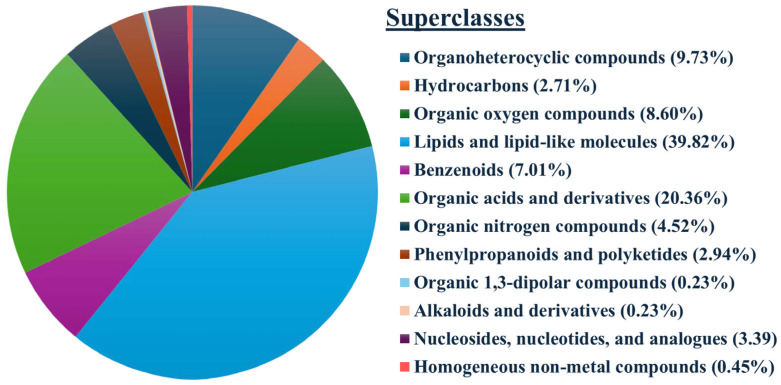
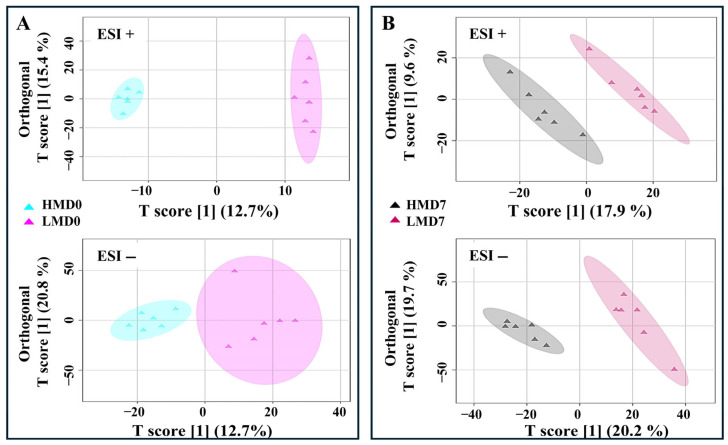
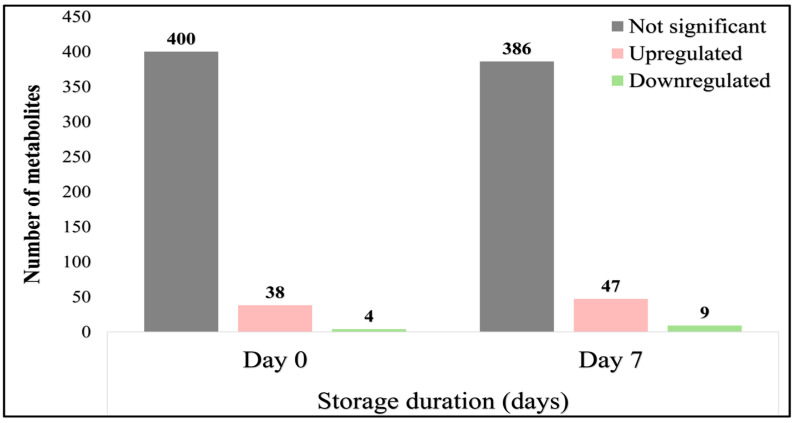
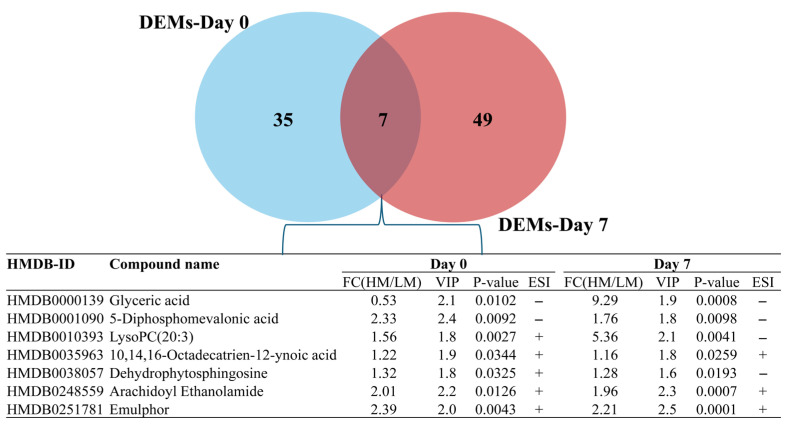
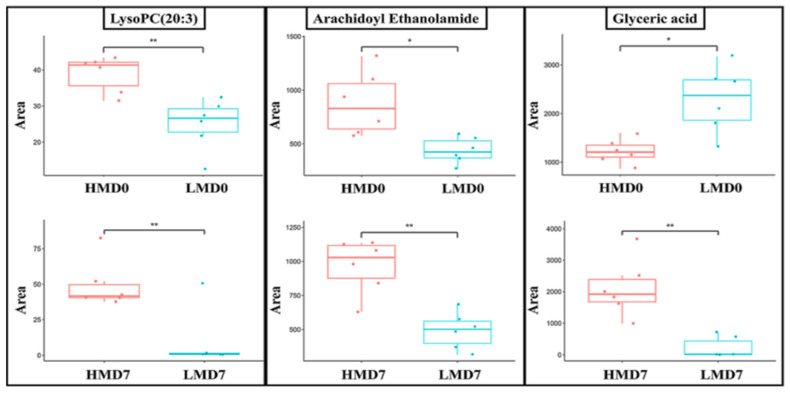
In the swine industry, artificial insemination (AI) primarily uses chill-stored semen, making sperm preservation crucial for reproductive success. However, sperm quality declines at varying rates during chilled storage at 17 °C, distinguishing high-survival semen from low-survival semen. This study investigates the metabolomic profiles of boar sperm with different abilities to survive liquid storage. We analyzed sperm motility, kinematics, and morphology in freshly extended (Day 0) and 7-day stored AI semen doses. The AI semen doses were classified as high-motile (HM) or low-motile (LM) based on sperm motility after 7 days of storage (Day 7). Metabolomic data were collected in positive (ESI+) and negative (ESI-) ion modes using a Vanquish Flex UPLC coupled with a Q Extractive Plus. We consistently detected 442 metabolites (251 in ESI+, 167 in ESI-, and 24 in both) across samples and storage durations. In freshly extended and 7-day stored AI doses, we identified 42 and 56 differentially expressed metabolites (DEMs), respectively. A clustering analysis showed significant changes in DEMs between the HM and LM samples. These DEMs were mainly enriched in amino acid metabolism, the pentose phosphate pathway, glycerolipid metabolism, glyoxylate and dicarboxylate metabolism, terpenoid backbone biosynthesis, etc. In summary, this study highlights the metabolomic differences between semen doses with varying abilities to survive liquid storage. Glyceric acid and lysoPC(20:3) emerged as potential markers for sperm preservation.
在养猪业中,人工授精(AI)主要使用冷藏精液,因此精子保存对于繁殖成功至关重要。然而,在17°C冷藏保存期间,精子质量会以不同速率下降,从而区分出高存活精液和低存活精液。本研究调查了具有不同液体保存存活能力的公猪精子的代谢组学特征。我们分析了新鲜稀释(第0天)和储存7天的AI精液剂量中的精子活力、运动学和形态。根据储存7天(第7天)后的精子活力,将AI精液剂量分为高活力(HM)或低活力(LM)。使用Vanquish Flex超高效液相色谱仪与Q Extractive Plus联用,以正离子(ESI+)和负离子(ESI-)模式收集代谢组学数据。在不同样本和储存期间,我们始终检测到442种代谢物(ESI+中有251种,ESI-中有167种,两者共有24种)。在新鲜稀释和储存7天的AI剂量中,我们分别鉴定出42种和56种差异表达代谢物(DEM)。聚类分析显示,HM和LM样本之间的DEM有显著变化。这些DEM主要富集在氨基酸代谢、磷酸戊糖途径、甘油酯代谢、乙醛酸和二羧酸代谢、萜类骨架生物合成等方面。总之,本研究突出了具有不同液体保存存活能力的精液剂量之间的代谢组学差异。甘油酸和溶血磷脂酰胆碱(20:3)成为精子保存的潜在标志物。