Kelarakis Antonios
UCLan Research Centre for Smart Materials, School of Pharmacy and Biomedical Sciences, University of Central Lancashire, Preston PR1 2HE, UK.
Polymers (Basel). 2025 Jul 28;17(15):2054. doi: 10.3390/polym17152054.
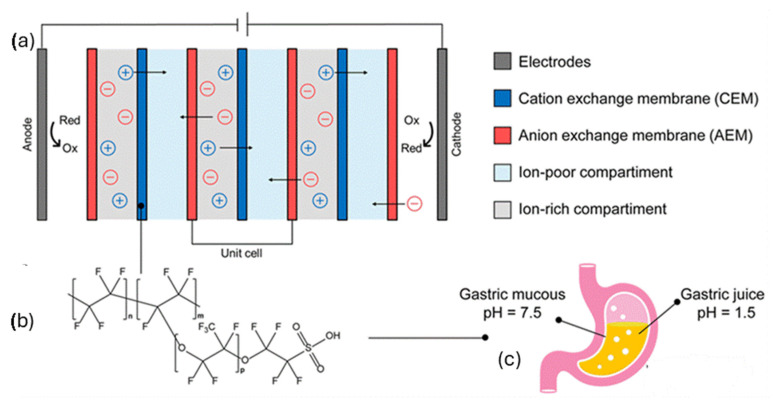
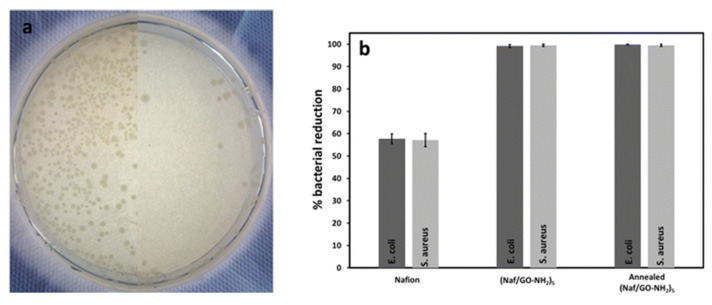
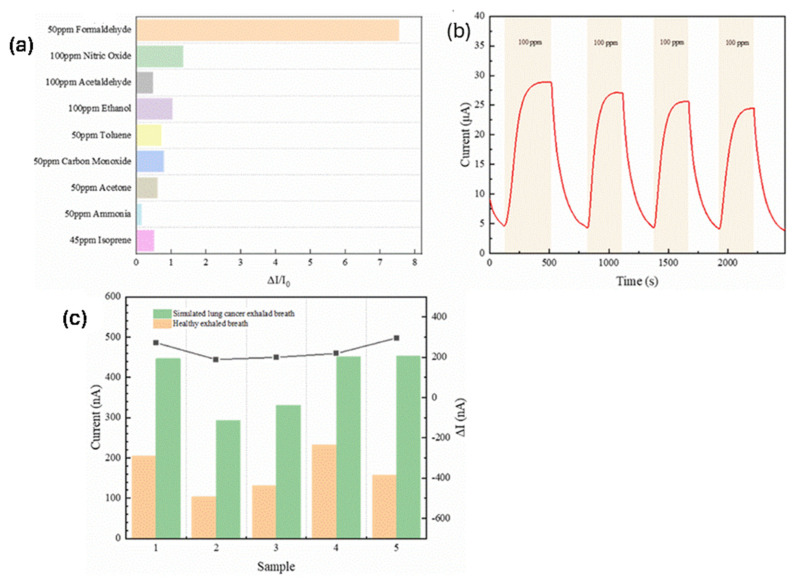
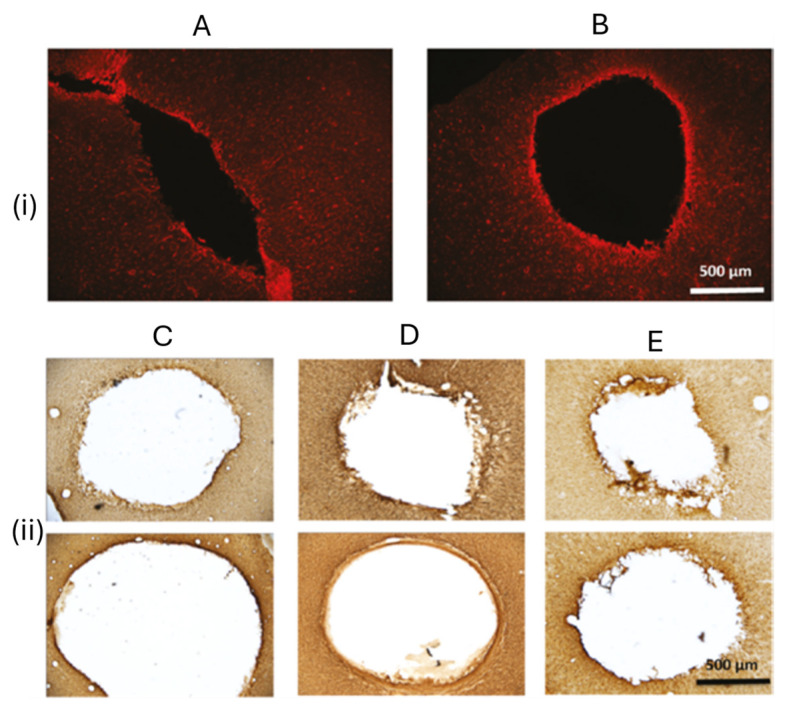
Nafion has long been recognized as the gold standard for proton exchange membranes, due to its exceptional ion exchange capacity and its advanced performance in chemically aggressive environments. In recent years, a growing body of evidence has demonstrated that Nafion is equally well-suited in complex biological conditions owing to its structural robustness, responsive functionality and intrinsic biocompatibility. These characteristics have enabled its transition into the biomedical and healthcare sectors, where it is currently being explored for a diverse and expanding range of applications. To that end, Nafion has been systematically investigated as a key component in bioelectronic systems for energy harvest, sensors, wearable electronics, tissue engineering, lab-on-a-chip platforms, implants, controlled drug delivery systems and antimicrobial surface coatings. This review examines the distinctive structural and electrochemical characteristics that underpin Nafion's performance in these biomedical contexts, provides an overview of recent advancements, emphasizes critical performance metrics and highlights the material's growing potential to shape the future of biomedical technology.
由于其卓越的离子交换能力以及在化学侵蚀性环境中的先进性能,纳滤膜长期以来一直被视为质子交换膜的黄金标准。近年来,越来越多的证据表明,由于其结构稳健性、响应功能和内在生物相容性,纳滤膜同样适用于复杂的生物条件。这些特性使其能够过渡到生物医学和医疗保健领域,目前正在该领域探索各种不断扩展的应用。为此,纳滤膜已被系统地研究作为生物电子系统中的关键组件,用于能量收集、传感器、可穿戴电子设备、组织工程、芯片实验室平台、植入物、控释给药系统和抗菌表面涂层。本综述探讨了支撑纳滤膜在这些生物医学环境中性能的独特结构和电化学特性,概述了近期的进展,强调了关键性能指标,并突出了该材料在塑造生物医学技术未来方面日益增长的潜力。