Di Fraia Alessia, Dal Poggetto Giovanni, Salamone Michela, Carraturo Federica, Contursi Patrizia, Guida Marco, Limauro Danila, Scognamiglio Viviana, Rossi Manuela, Fiorentino Gabriella
Department of Biology, University of Naples Federico II, Naples, Italy.
Institute of Polymers, Composites and Biomaterials, National Research Council, Pozzuoli, Italy.
Microb Cell Fact. 2025 Aug 19;24(1):189. doi: 10.1186/s12934-025-02815-9.
Silver nanoparticles (AgNPs) have attracted considerable interest for their distinctive physicochemical properties and wide-ranging applications in nanomedicine, environmental catalysis, and antimicrobial applications. However, sustainable and robust biosynthesis methods remain a challenge.
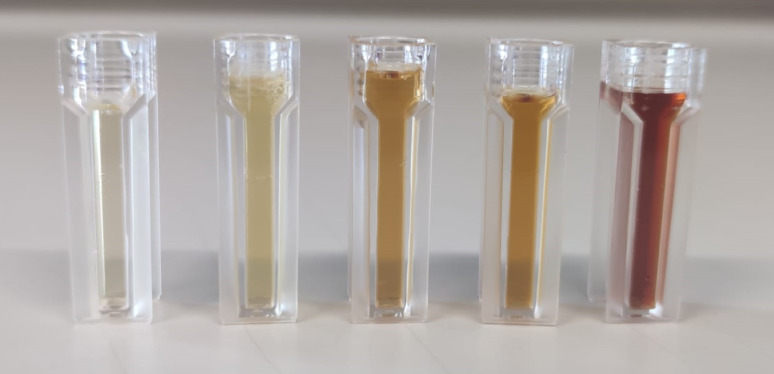
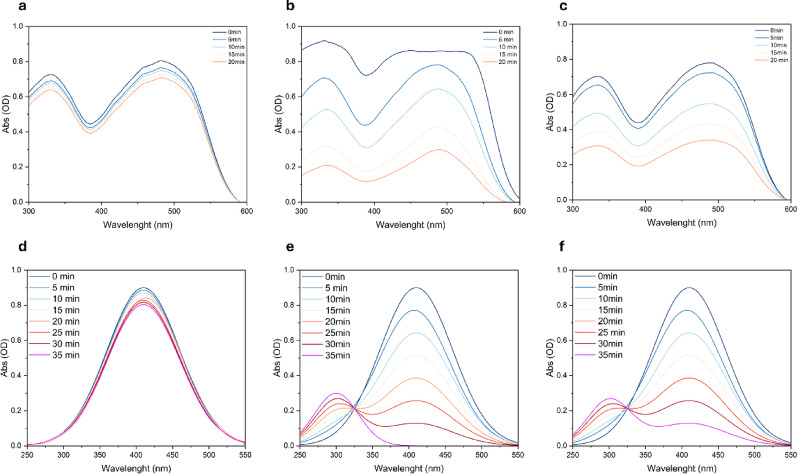
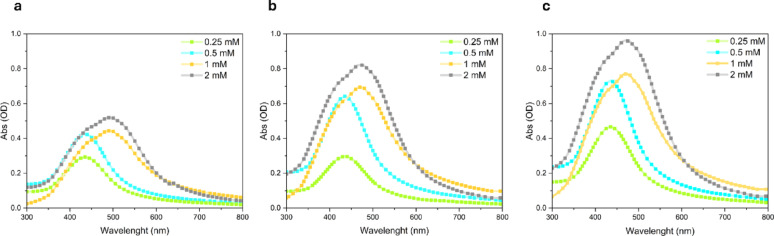
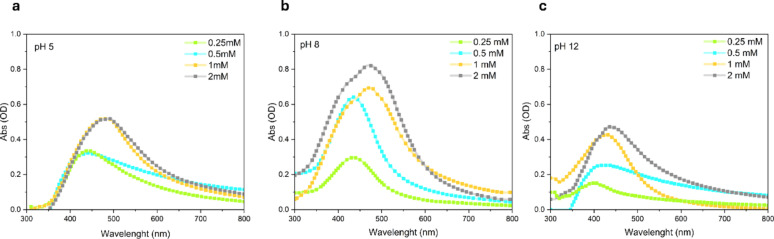
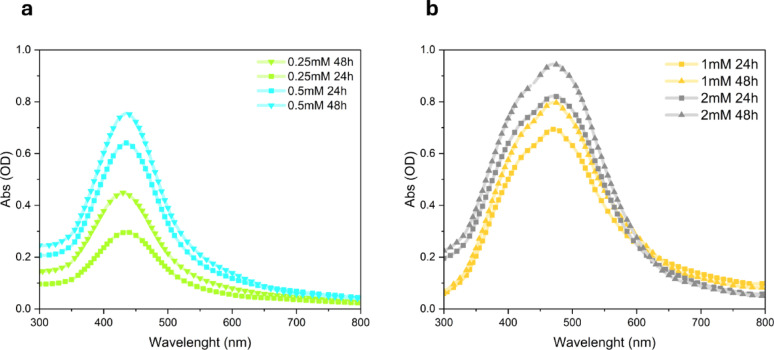
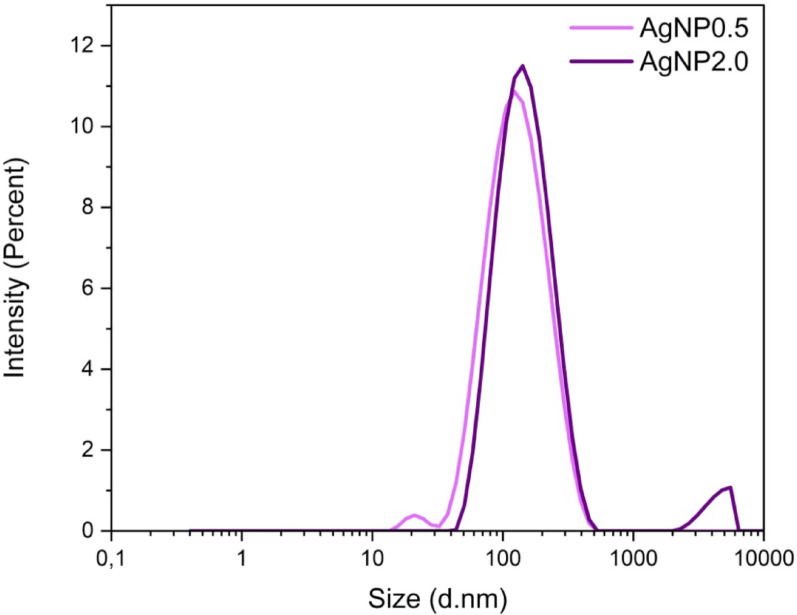
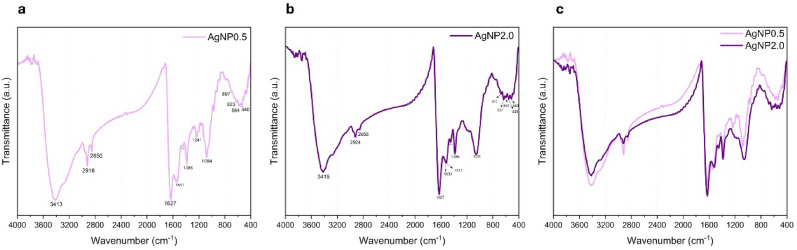
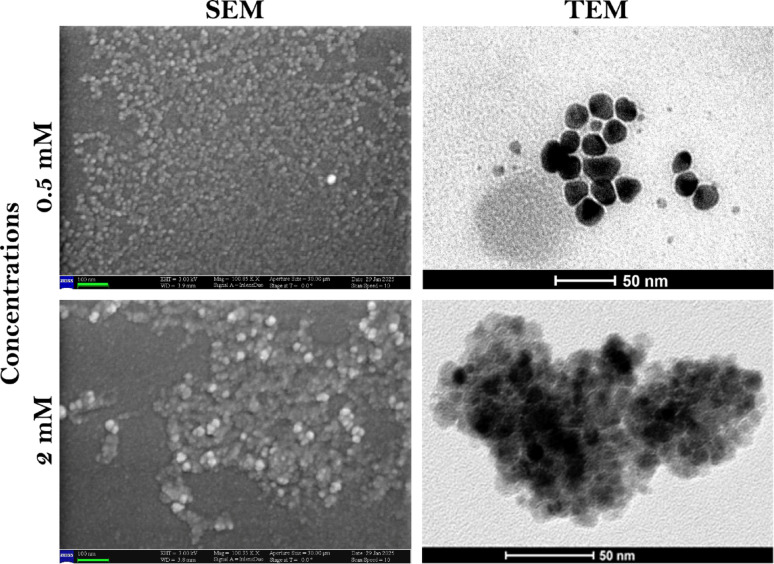
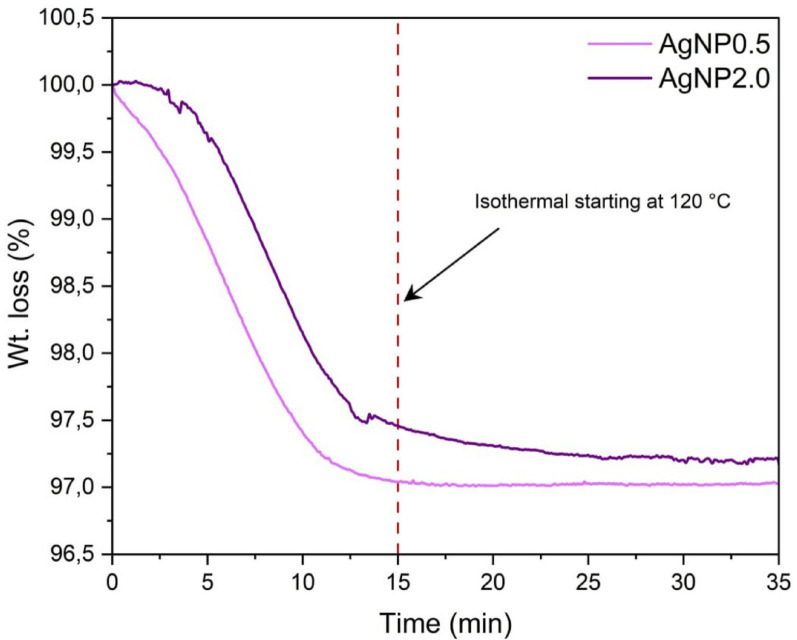
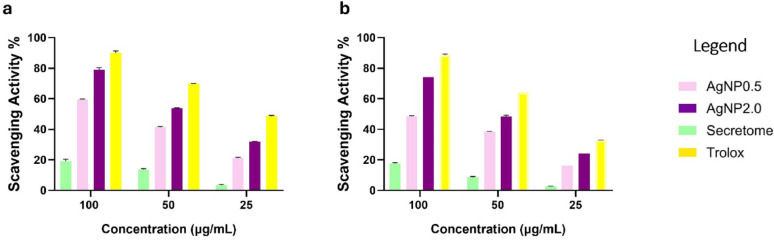
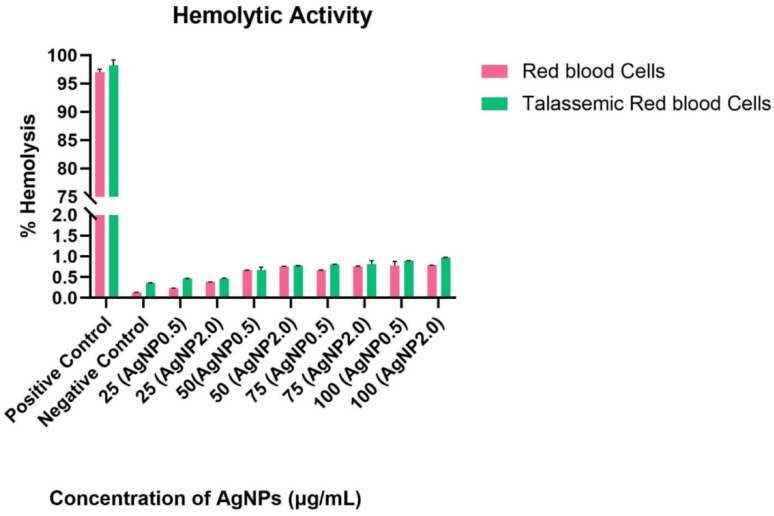
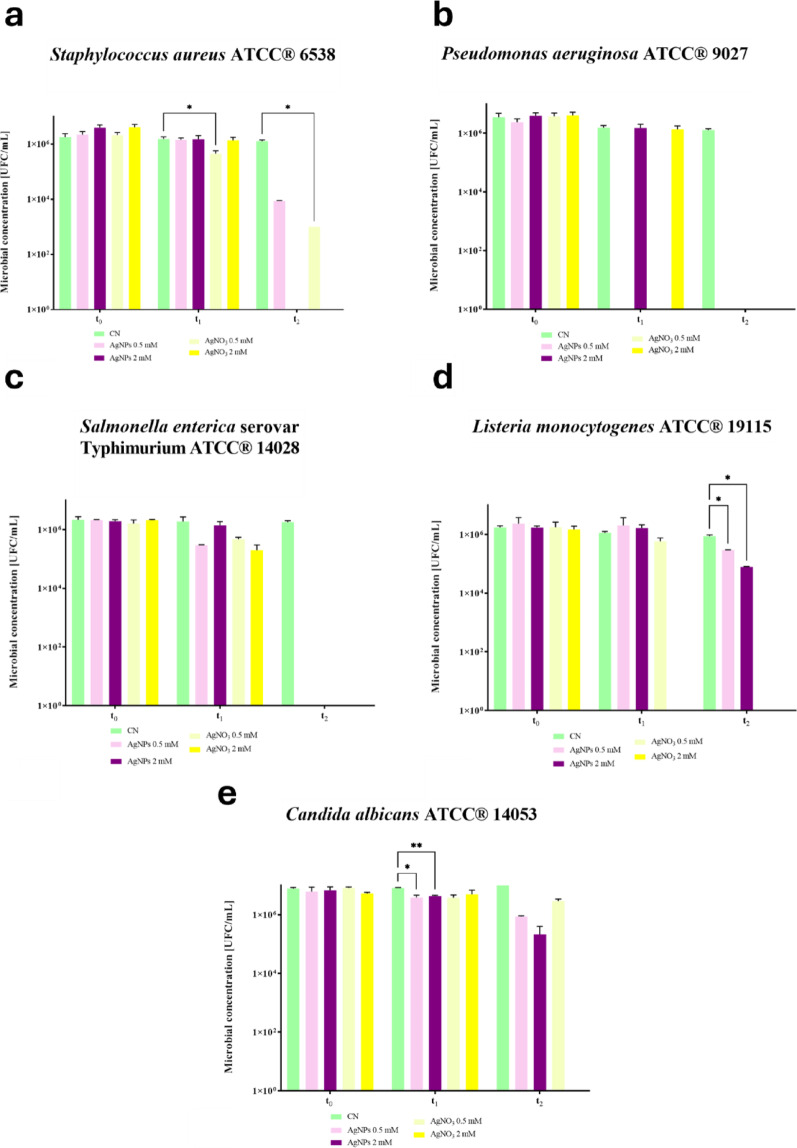
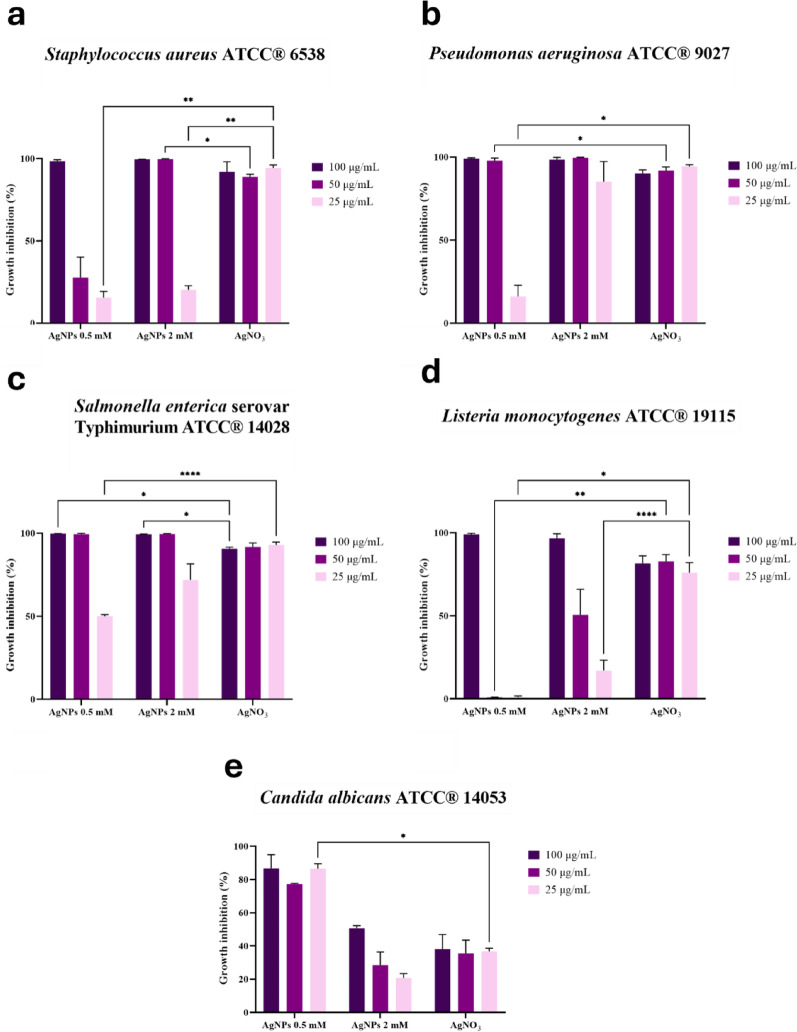
In this study, we report the biosynthesis of thermostable AgNPs using the secretome of Geobacillus stearothermophilus GF16, a thermophilic and metal-resistant bacterium isolated from the hydrothermal volcanic area of Pisciarelli, Italy. The synthesis was performed without specialized growth media, relying solely on the cell-free bacterial supernatant, and was systematically optimized by varying precursor concentration, temperature, pH, and reaction time. The nanoparticles were characterized by UV-Vis spectroscopy, dynamic light scattering, Fourier-transform infrared spectroscopy, scanning (SEM) and transmission (TEM) electron microscopy. Morphological analysis showed predominantly subspherical nanoparticles with average diameters of 17 ± 5 nm (SEM) and 16 ± 5-7 nm (TEM), depending on precursor concentration. Thermogravimetric analysis demonstrated excellent thermal stability with retention of structural integrity up to 120 °C, an exceptional feature among biogenic AgNPs. The obtained AgNPs exhibited remarkable radical scavenging activity, reaching up to 79% in DPPH and 75% in ABTS assays at 100 µg/mL, highlighting a level of antioxidant performance rarely observed in AgNPs of bacterial origin. In addition to their redox properties, the nanoparticles demonstrated efficient catalytic activity as evidenced by the complete degradation of Congo Red in 20 min and 4-nitrophenol in 35 min. Time-kill assays and minimum inhibitory concentration (MIC) also showed a broad-spectrum antimicrobial potential with complete inhibition of Staphylococcus aureus, Pseudomonas aeruginosa, and Salmonella Typhimurium at 100 µg/mL. Interestingly, MIC values were significantly lower than those reported for comparable AgNPs. Notably, the nanoparticles also displayed hemocompatibility, validated by hemolysis assays performed on both healthy and β-thalassemic erythrocytes, with hemolysis rates consistently below the 2% safety threshold.
Overall, this study presents the first comprehensive characterization of AgNPs biosynthesized by a thermophilic bacterium, highlighting their multifunctional potential. The use of a thermophilic bacterium as a robust and flexible microbial nanofactory offers a novel eco-friendly and scalable strategy for AgNP production. The resulting nanoparticles exhibit unique thermal stability, broad-spectrum bioactivity, and clinically relevant hemocompatibility, underscoring their promising applicability in nanomedicine, green catalysis, and environmental remediation.
银纳米颗粒(AgNPs)因其独特的物理化学性质以及在纳米医学、环境催化和抗菌应用中的广泛应用而备受关注。然而,可持续且稳健的生物合成方法仍然是一个挑战。
在本研究中,我们报道了利用嗜热栖热放线菌GF16的分泌组生物合成热稳定的AgNPs,该菌是从意大利皮斯恰雷利的热液火山区域分离出的嗜热且耐金属的细菌。合成过程无需特殊生长培养基,仅依靠无细胞细菌上清液进行,并通过改变前驱体浓度、温度、pH值和反应时间进行了系统优化。通过紫外可见光谱、动态光散射、傅里叶变换红外光谱、扫描(SEM)和透射(TEM)电子显微镜对纳米颗粒进行了表征。形态分析表明,根据前驱体浓度的不同,主要为亚球形纳米颗粒,平均直径为17±5nm(SEM)和16±5 - 7nm(TEM)。热重分析表明其具有优异的热稳定性,在高达120°C时仍保持结构完整性,这在生物源AgNPs中是一个突出特性。所获得的AgNPs表现出显著的自由基清除活性,在100μg/mL时,DPPH法高达79%,ABTS法高达75%,突出了细菌源AgNPs中罕见的抗氧化性能水平。除了其氧化还原特性外,纳米颗粒还表现出高效的催化活性,刚果红在20分钟内完全降解,4 - 硝基苯酚在35分钟内完全降解证明了这一点。时间 - 杀菌试验和最低抑菌浓度(MIC)也显示出广谱抗菌潜力,在100μg/mL时能完全抑制金黄色葡萄球菌(Staphylococcus aureus)、铜绿假单胞菌(Pseudomonas aeruginosa)和鼠伤寒沙门氏菌(Salmonella Typhimurium)。有趣的是,MIC值显著低于报道的同类AgNPs。值得注意地是,通过对健康和β - 地中海贫血红细胞进行溶血试验验证,纳米颗粒还显示出血液相容性,溶血率始终低于2%的安全阈值。
总体而言,本研究首次对嗜热细菌生物合成的AgNPs进行了全面表征,突出了它们的多功能潜力。使用嗜热细菌作为强大且灵活的微生物纳米工厂为AgNP生产提供了一种新型的生态友好且可扩展的策略。所得纳米颗粒具有独特的热稳定性、广谱生物活性和临床相关的血液相容性,强调了它们在纳米医学、绿色催化和环境修复中具有广阔的应用前景。