Kaiser Laura, Lee Nathan, Williams Jaclyn, Smith Michael, Noland Robert C, Yu Sangho, Morrison Christopher D, Berthoud Hans-Rudolf, Münzberg Heike
Neurobiology of Nutrition and Metabolism Department, Pennington Biomedical Research Center (PBRC), LSU system, Baton Rouge, LA, USA.
Res Sq. 2025 Aug 21:rs.3.rs-7032725. doi: 10.21203/rs.3.rs-7032725/v1.
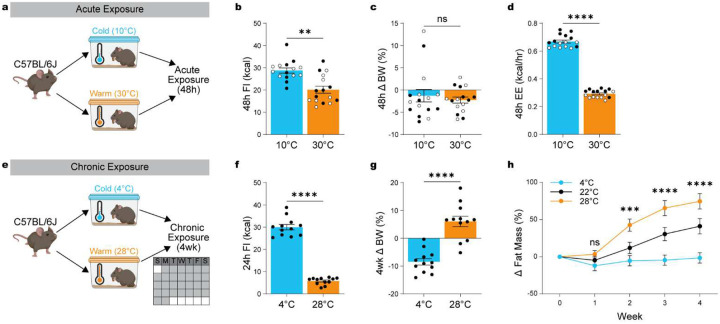
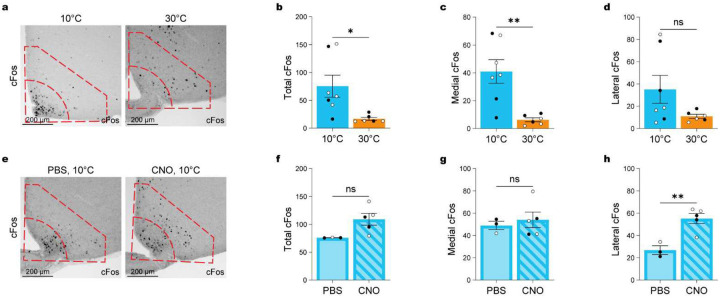
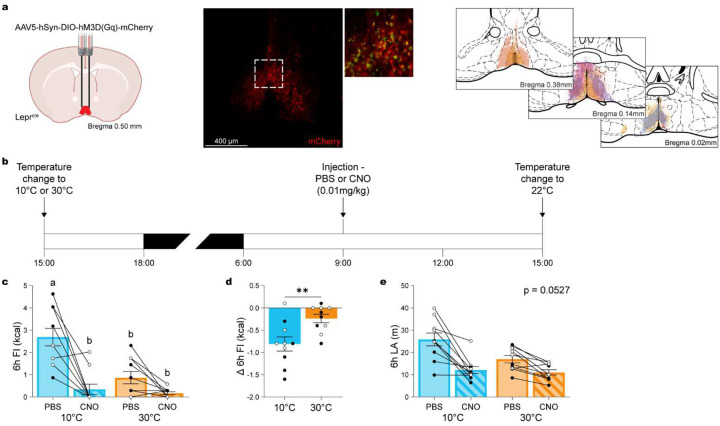
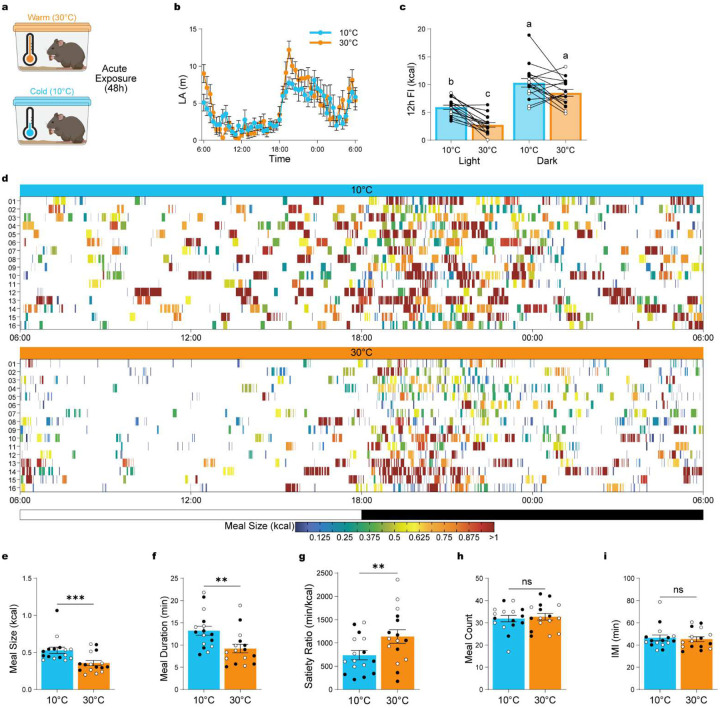
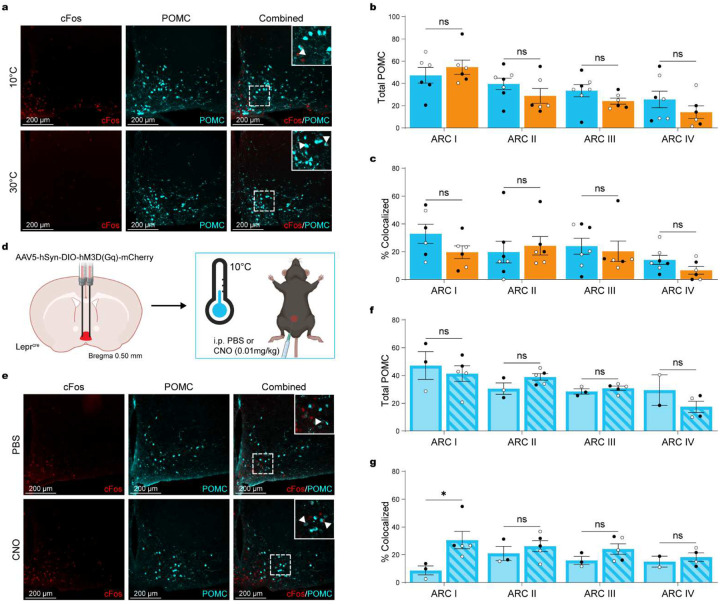
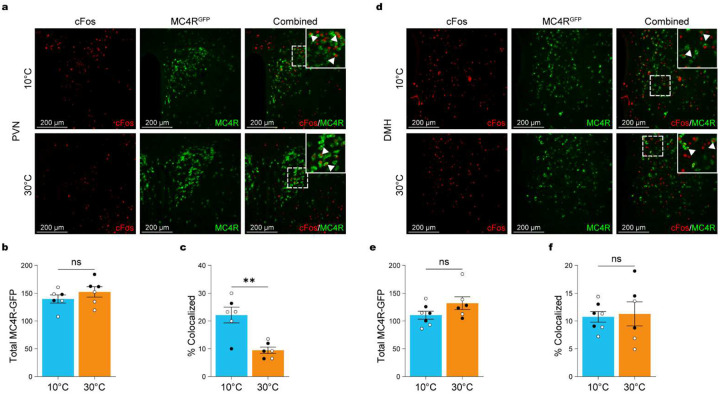
The preoptic area (POA) is a well-established regulator of body temperature, but its role in feeding behavior remains underexplored. Our study identifies leptin receptor (Lepr)-expressing neurons in the POA (POA) as critical component to suppress food intake (FI) and increase satiety in response to warm ambient temperatures. Utilizing chemogenetic activation in mice of both sexes, we demonstrate that selective activation of POA neurons mimics the effects of warm temperatures, leading to a significant reduction in FI. POA neurons project to the melanocortin pathway, where activation of melanocortin-4 receptors (MC4R) also suppresses FI in a temperature-dependent manner. Our findings suggest that POA neurons integrate thermal and metabolic cues, demonstrating that ambient temperature is an integral part of body weight homeostasis by modulating meal size and satiety via POA neurons. These results offer new insights into the neurochemical and functional properties of POA functions, expanding the traditional view that the POA is exclusively involved in thermoregulation and underscoring its broader role in energy balance.
视前区(POA)是公认的体温调节中枢,但其在进食行为中的作用仍未得到充分研究。我们的研究确定,视前区中表达瘦素受体(Lepr)的神经元是抑制食物摄入量(FI)并在温暖环境温度下增加饱腹感的关键组成部分。利用化学遗传学方法激活雌雄小鼠的视前区神经元,我们证明视前区神经元的选择性激活模拟了温暖温度的作用,导致食物摄入量显著减少。视前区神经元投射到黑皮质素通路,黑皮质素4受体(MC4R)的激活也以温度依赖的方式抑制食物摄入量。我们的研究结果表明,视前区神经元整合了热和代谢信号,表明环境温度通过视前区神经元调节进餐量和饱腹感,是体重稳态的一个组成部分。这些结果为视前区功能的神经化学和功能特性提供了新的见解,扩展了视前区仅参与体温调节的传统观点,并强调了其在能量平衡中的更广泛作用。