Nance F C
Ann Surg. 1979 May;189(5):587-600. doi: 10.1097/00000658-197905000-00008.
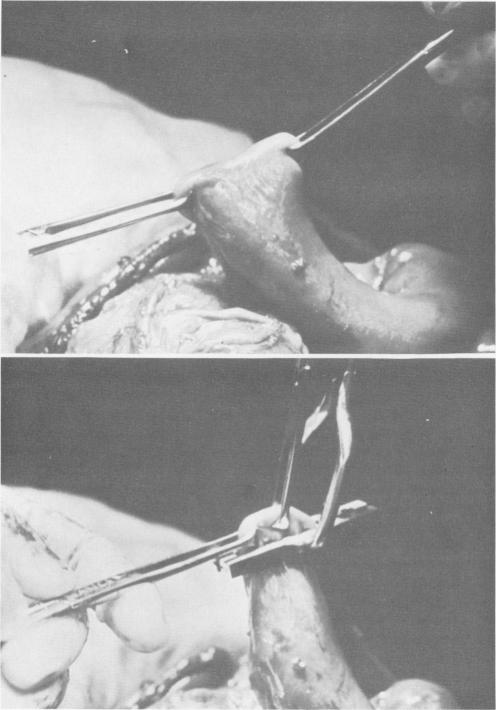
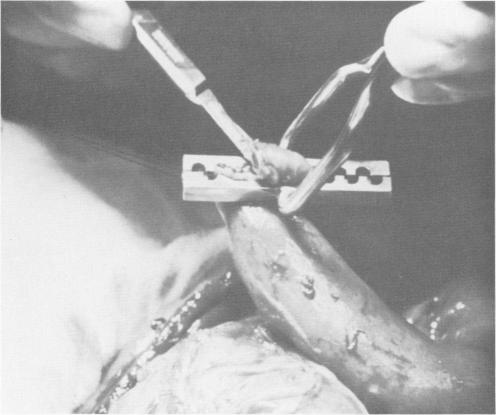
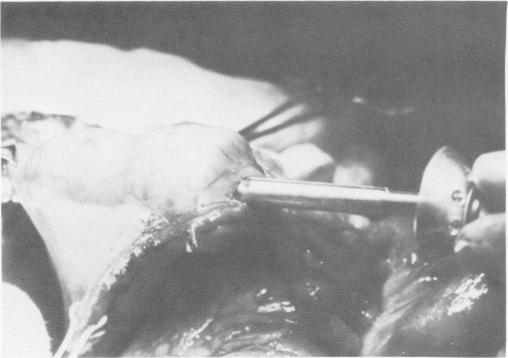
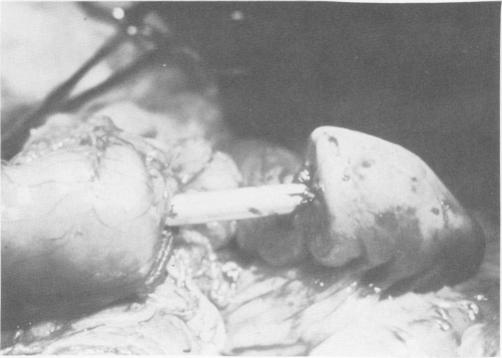
A new instrument for accomplishing inverted stapled anastomoses in the gastrointestinal tract is described. Side-to-side, end-to-side and end-to-end anastomoses can be performed. Techniques developed for utilization of the instrument in virtually all gastrointestinal anastomoses are described. In most instances a proximal or distal enterotomy is required. Experience with 57 anastomoses in 42 patients is reported. One leak occurred; no other complications not recognized intraoperatively were observed. Anastomoses completed included gastroduodenostomy, gastrojejunostomy, cholecystojejunostomy, colocolostomy and ileocolostomy. Hazards and complications associated with the use of the instrument are described. It should be used only after the surgeon has acquired the skills to operate the instrument properly. The instrument saves time, creates better anastomoses than can be obtained by hand sewing and is extremely versatile. It may permit safer anastomoses in adverse conditions, such as in obstruction and peritonitis. The instrument opens new horizons in gastrointestinal surgery.
本文介绍了一种用于在胃肠道完成倒置吻合钉吻合术的新型器械。可进行侧侧、端端和端侧吻合。文中描述了在几乎所有胃肠道吻合术中使用该器械所开发的技术。在大多数情况下,需要进行近端或远端肠切开术。报告了42例患者57例吻合术的经验。发生了1例吻合口漏;未观察到术中未发现的其他并发症。完成的吻合术包括胃十二指肠吻合术、胃空肠吻合术、胆囊空肠吻合术、结肠结肠吻合术和回结肠吻合术。文中描述了与使用该器械相关的风险和并发症。只有在外科医生掌握了正确操作该器械的技能后才能使用。该器械节省时间,能创造出比手工缝合更好的吻合效果,且用途极为广泛。在诸如梗阻和腹膜炎等不利情况下,它可能使吻合更安全。该器械为胃肠外科开辟了新的视野。