Sharma H M, Moore S, Merrick H W, Smith M R
Am J Pathol. 1972 Mar;66(3):445-60.
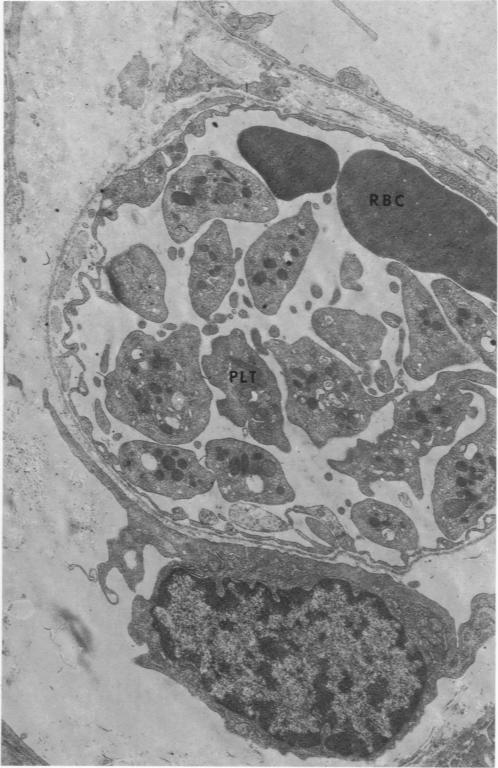
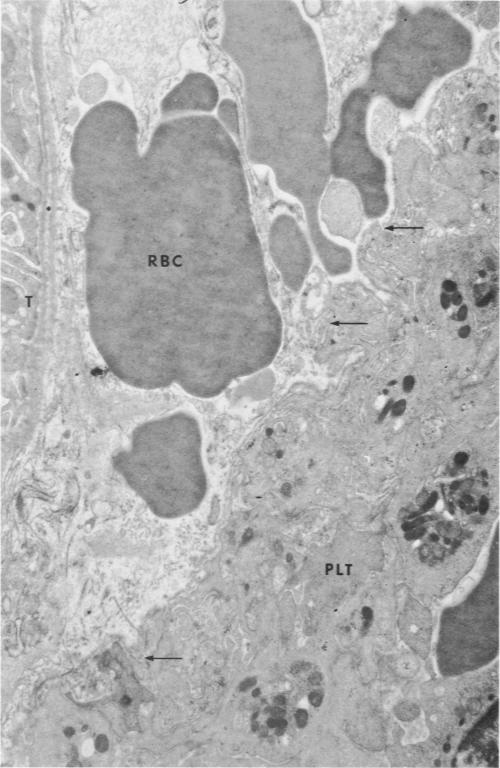
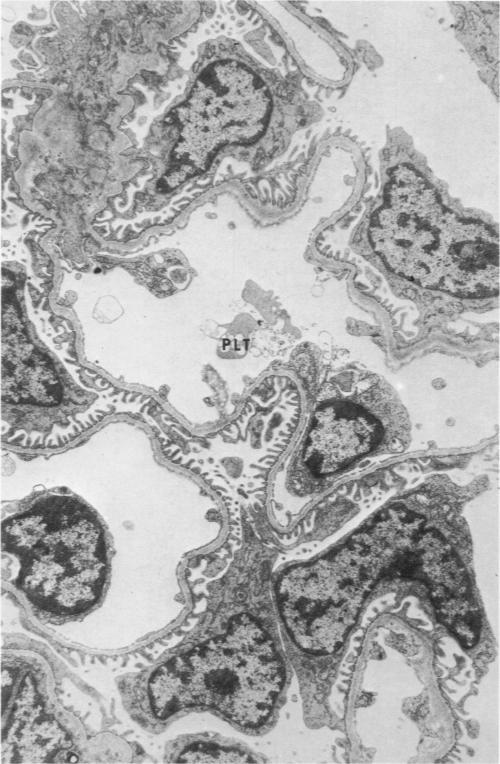
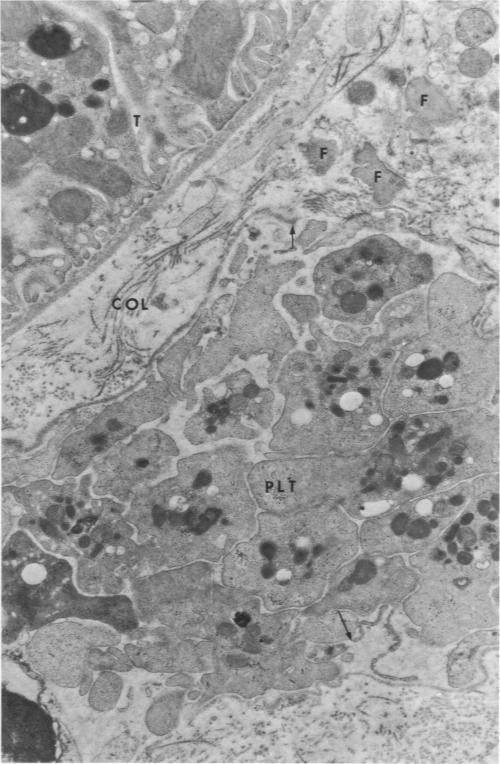
Experiments were carried out on mongrel dogs to study the early ultrastructural changes in hyperacute rejection of kidney. Renal allografts were performed on dogs presensitized by three to five skin grafts. The animals were grouped in pairs, control and treated with sulfinpyrazone, a platelet inhibitor. The electron microscopic studies showed that the earliest change in the kidney was aggregation of platelets mainly in the peritubular capillaries and a few glomeruli. Later, platelets showed degranulation with vascular damage leading to rejection of kidney. Treated dogs showed less tendency for platelets to aggregate, and graft survival was prolonged. The role or platelets in the hyperacute rejection is discussed.
在杂种狗身上进行实验,以研究肾脏超急性排斥反应的早期超微结构变化。对经三到五次皮肤移植致敏的狗进行肾脏同种异体移植。将动物成对分组,一组为对照组,另一组用血小板抑制剂磺吡酮治疗。电子显微镜研究表明,肾脏最早的变化是血小板主要聚集在肾小管周围毛细血管和少数肾小球中。随后,血小板出现脱颗粒,伴有血管损伤,导致肾脏排斥。接受治疗的狗血小板聚集倾向较小,移植肾存活时间延长。文中讨论了血小板在超急性排斥反应中的作用。