Sharma H M, Rosensweig J, Chatterjee S, Moore S, De Champlain M L
Am J Pathol. 1973 Feb;70(2):155-74.
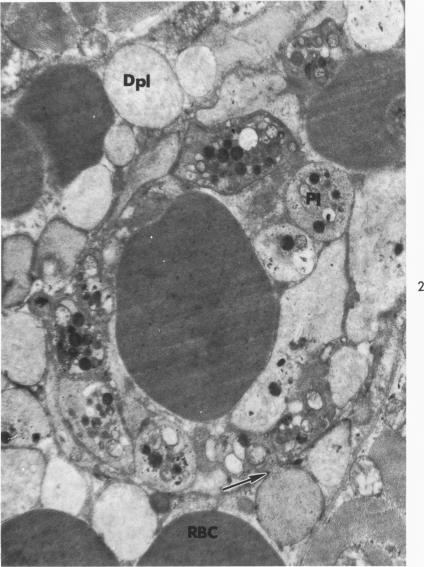
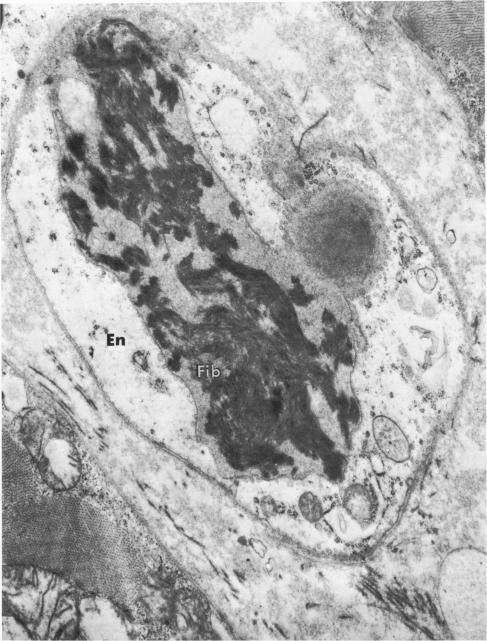
Experiments were carried out to determine whether platelet aggregation plays a primary role in cardiac allograft hyperacute rejection, as has been observed in renal allograft hyperacute rejection. Dogs were presensitized by multiple skin grafts before a cervical heterotopic cardiac allograft was placed. One group of dogs was treated with sulfinpyrazone, a platelet inhibitor, and another was not. In the majority of the untreated dogs, the cardiac transplants were rejected hyperacutely and showed, morphologically, platelet aggregation followed by vascular disruption. In the treated dogs, hyperacute rejection was prevented, but the cardiac transplants were later rejected by primary cellular rejection. These data and the results from the experiments of other researchers lead us to propose that platelets are the "effector" of hyperacute rejection.
进行了实验以确定血小板聚集是否在心脏同种异体移植超急性排斥反应中起主要作用,就像在肾同种异体移植超急性排斥反应中所观察到的那样。在进行颈部异位心脏同种异体移植之前,通过多次皮肤移植使犬预先致敏。一组犬用血小板抑制剂磺吡酮进行治疗,另一组未治疗。在大多数未治疗的犬中,心脏移植发生超急性排斥,形态学上显示血小板聚集随后血管破坏。在治疗的犬中,超急性排斥得到预防,但心脏移植后来被原发性细胞排斥所排斥。这些数据以及其他研究人员的实验结果使我们提出血小板是超急性排斥反应的“效应器”。