Medzon E L, Brady M L
J Bacteriol. 1969 Jan;97(1):402-15. doi: 10.1128/jb.97.1.402-415.1969.
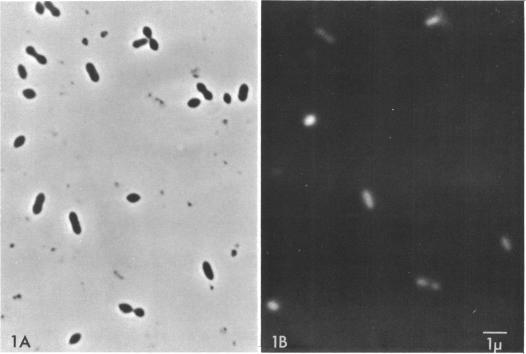
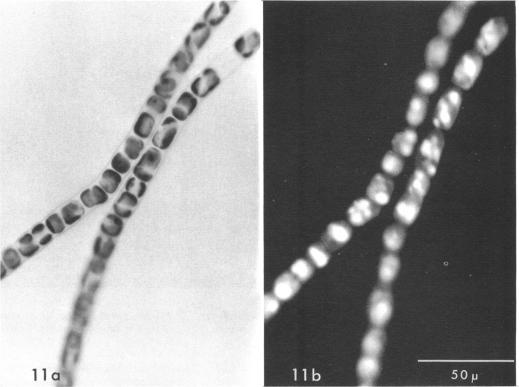
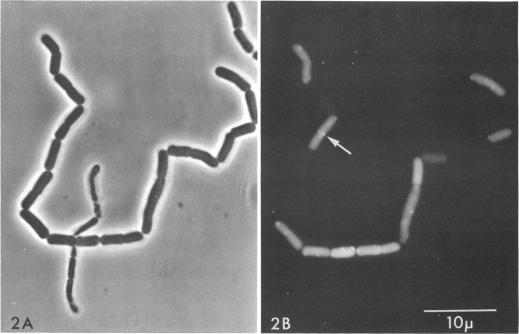
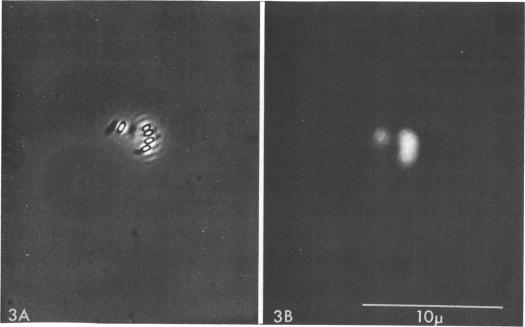
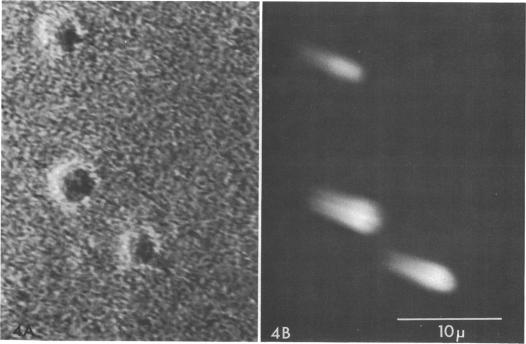
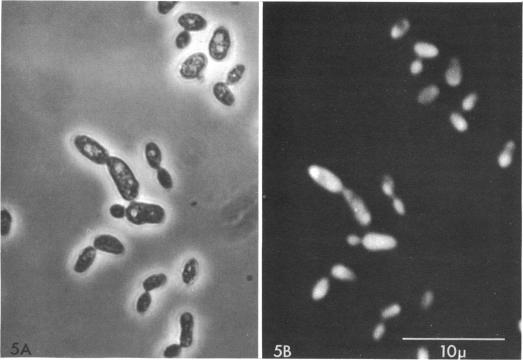
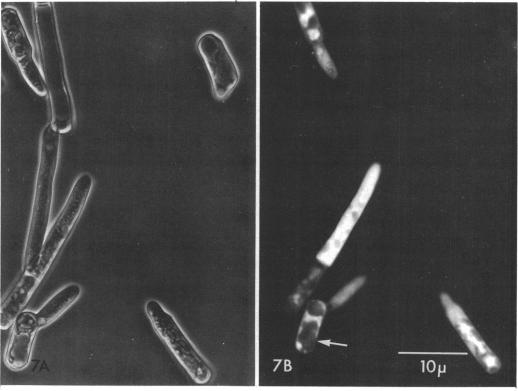
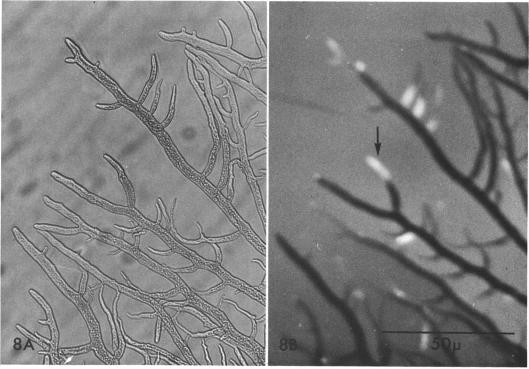
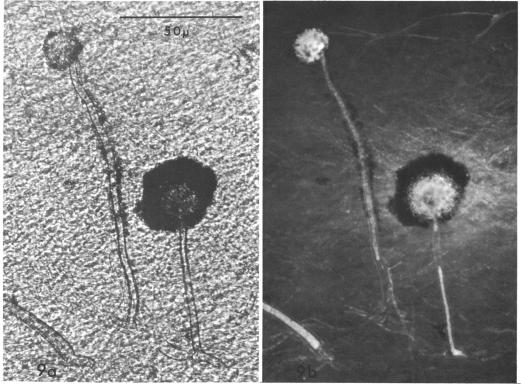
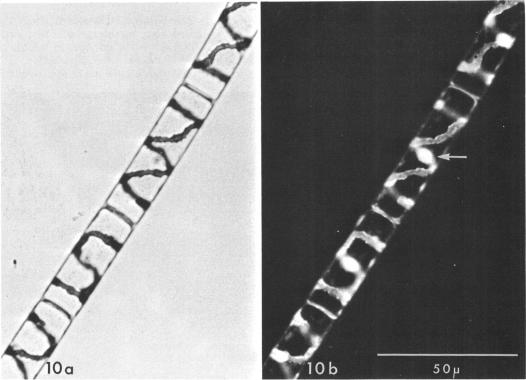
The fluorogenic acetylesterase (acetic ester hydrolase EC 3.1.1.6.) substrate, fluorescein diacetate, was used to measure enzyme activity in living protist cells. The visual enzyme assay was done by monitoring fluorochromasia by fluorescent microscopy. Quantitative fluorogenic assays were done by measuring the evolved fluorescein in a fluorometer. Of 59 strains of bacteria, 35 were fluorochromatically positive. Eight of the fluorochromatically negative strains were fluorogenically positive. Of 22 strains of slime molds and fungi, all were fluorochromatically positive. Three out of 12 different algae were fluorochromatically positive. Several unidentified protozoa were also fluorochromatically positive. Four out of six protozoa were fluorochromatically positive. Structures of special interest showing acetylesterase activity were: the growing hyphal tips of fungi, the vacuolated areas of yeast and protozoa, newly formed bacterial spores or immature fungal spores, "mesosome-like" bodies in Bacillus megaterium, and the cell membrane and nuclear region of green algae. Yeast protoplasts and bacterial protoplasts and spheroplasts were fluorochromatically positive when derived from positive cells and negative when derived from negative cells. There was no correlation between the possession of a capsule and acetylesterase activity. There was no effect on the viability of bacterial cells incubated in the presence of fluorescein diacetate. Paraoxon inhibited bacterial and yeast enzyme at 10(-5)m. Eserine (10(-5)m) and Paraoxon (10(-7)m) inhibited B. megaterium enzyme. Sodium acetate at 10(-2)m did not inhibit bacterial enzyme. The implications of these findings on the location and expression of esterase activity in living cells are discussed.
荧光乙酰酯酶(乙酸酯水解酶,EC 3.1.1.6.)底物荧光素二乙酸酯用于测量活的原生生物细胞中的酶活性。通过荧光显微镜监测荧光染色进行可视化酶测定。通过在荧光计中测量释放出的荧光素进行定量荧光测定。在59株细菌中,35株荧光染色呈阳性。8株荧光染色阴性的菌株荧光测定呈阳性。在22株黏菌和真菌中,全部荧光染色呈阳性。12种不同藻类中有3种荧光染色呈阳性。几种未鉴定的原生动物荧光染色也呈阳性。6种原生动物中有4种荧光染色呈阳性。显示乙酰酯酶活性的特别有趣的结构有:真菌生长的菌丝尖端、酵母和原生动物的空泡化区域、新形成的细菌孢子或未成熟的真菌孢子、巨大芽孢杆菌中的“类中体”结构以及绿藻的细胞膜和核区域。酵母原生质体、细菌原生质体和球状体如果来源于阳性细胞则荧光染色呈阳性,如果来源于阴性细胞则呈阴性。是否有荚膜与乙酰酯酶活性之间没有相关性。荧光素二乙酸酯存在时对细菌细胞的活力没有影响。对氧磷在10⁻⁵ mol/L时抑制细菌和酵母的酶。毒扁豆碱(10⁻⁵ mol/L)和对氧磷(10⁻⁷ mol/L)抑制巨大芽孢杆菌的酶。10⁻² mol/L的乙酸钠不抑制细菌的酶。讨论了这些发现对活细胞中酯酶活性的定位和表达的意义。