Seligmann M, Mihaesco E, Hurez D, Mihaesco C, Preud'homme J L, Rambaud J C
J Clin Invest. 1969 Dec;48(12):2374-89. doi: 10.1172/JCI106204.
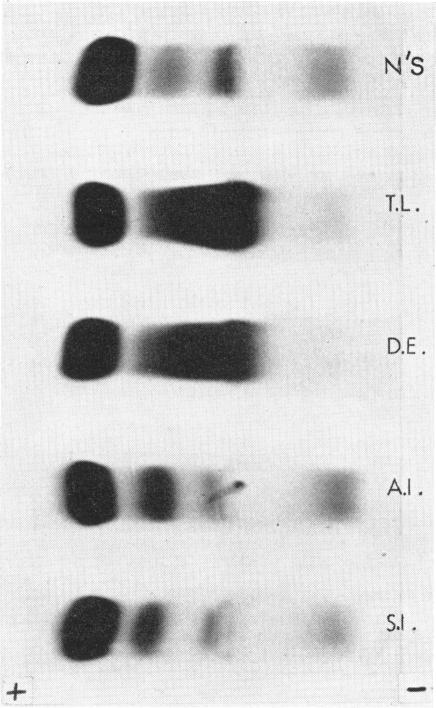
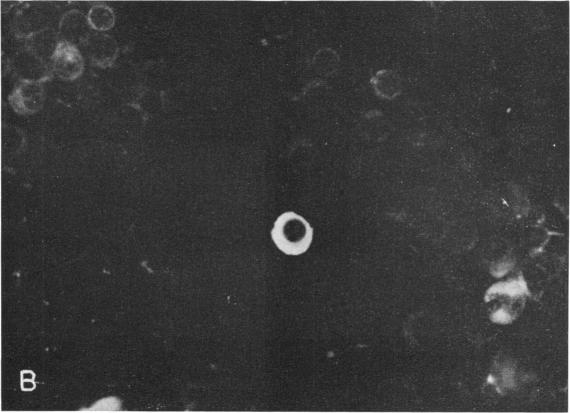
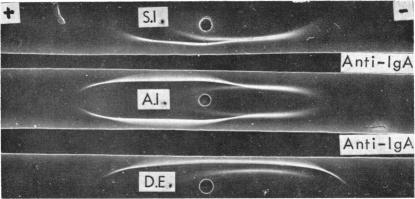
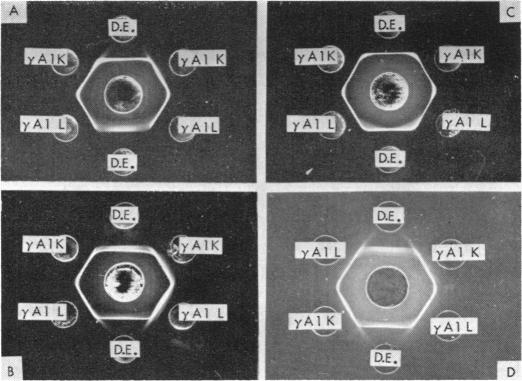
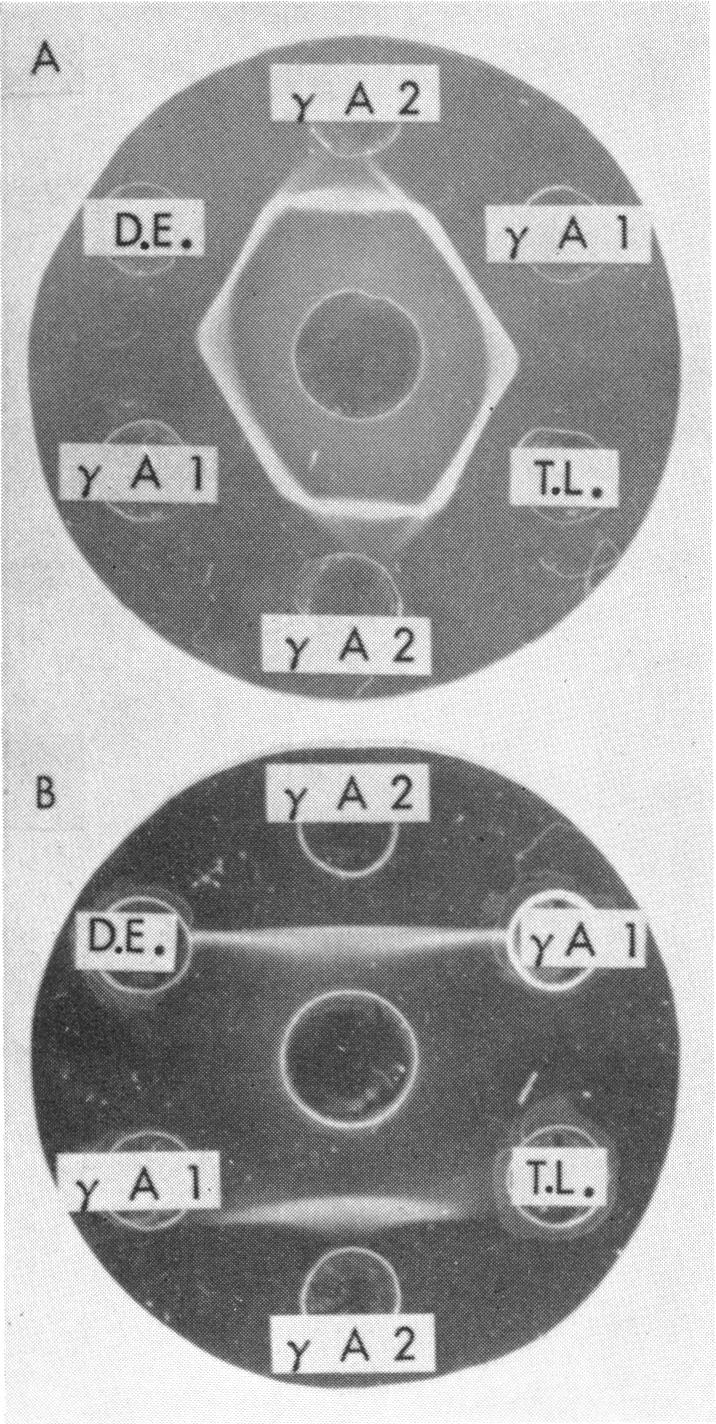
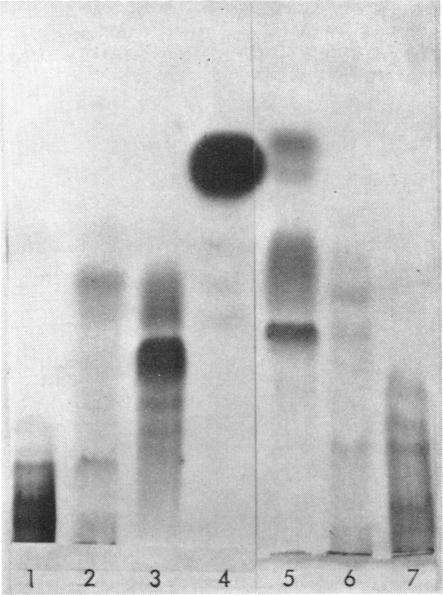
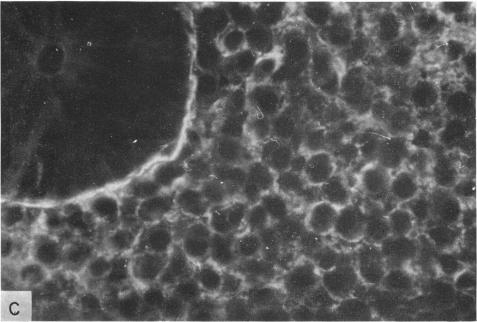
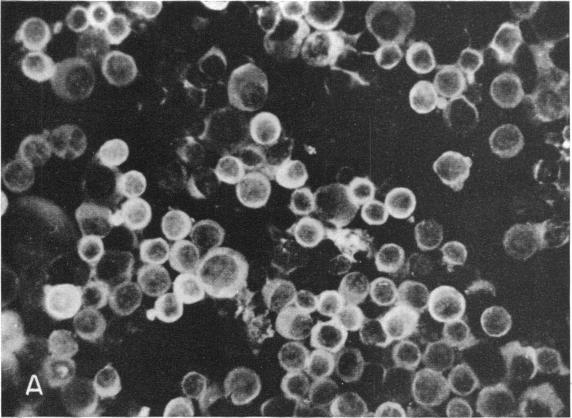
Studies of a number of properties of the pathological gammaA-proteins in the first four cases of the recently recognized alpha-chain disease demonstrate that, as in gamma-heavy-chain disease, the abnormal protein is devoid of light chains and represents a portion of the alpha-heavy chain related to the Fc-fragment. In two patients, serum electrophoresis showed a broad abnormal band, whereas in the two others the pathological protein was not noticeable on the electrophoretic pattern. The diagnosis of alpha-chain disease can be established without purification of the protein by immuno-electrophoresis and gel diffusion experiments using selected antisera to gammaA and a reference alpha-chain disease protein. All four proteins belonged to the alpha1-subclass, displayed electrophoretic heterogeneity, and showed a strong tendency to polymerize. The polymers occurred in vivo and were held together both by disulfide bonds and by strong noncovalent forces. Two of the three purified proteins had a very high carbohydrate content. The abnormal protein was always found in concentrated urines in variable but generally low amounts. It was not detected in parotid saliva but was present in significant amounts in jejunal fluid of all four patients. The alpha-chain disease protein was shown to be associated with the secretory piece in external secretions of two patients. The clinicopathological features were strikingly similar in the four patients. All patients were affected with a neoplastic and mostly plasmacytic proliferation involving primarily the whole length of the small intestine and the mesenteric nodes and all exhibited a severe malabsorption syndrome. While Israeli authors have emphasized the frequency of this type of abdominal lymphoma in young Arabs and non-Ashkenazi Jews, two of our patients were Kabyles, one a Syrian Arab, and one an Eurasian. Cellular studies showed that the pathological protein was synthesized by the proliferating cells in the lymphoid tissue of the digestive tract and in the mesenteric nodes, and that there was no detectable light-chain synthesis at the intracellular level.
对最近确诊的首例α链病的前四例病例中病理性γA蛋白的多项特性研究表明,与γ重链病一样,异常蛋白缺乏轻链,代表与Fc片段相关的α重链的一部分。两名患者的血清电泳显示出一条宽的异常带,而另外两名患者的病理蛋白在电泳图谱上不明显。无需纯化蛋白,通过使用针对γA的选定抗血清和参考α链病蛋白进行免疫电泳和凝胶扩散实验,即可确诊α链病。所有四种蛋白均属于α1亚类,表现出电泳异质性,且有强烈的聚合倾向。聚合物在体内形成,通过二硫键和强大的非共价力结合在一起。三种纯化蛋白中的两种碳水化合物含量非常高。异常蛋白总是在浓缩尿中以可变但通常较低的量被发现。在腮腺唾液中未检测到,但在所有四名患者的空肠液中大量存在。在两名患者的外分泌液中,α链病蛋白显示与分泌片相关。这四名患者的临床病理特征惊人地相似。所有患者均患有肿瘤性疾病,主要是浆细胞增殖,主要累及小肠全长和肠系膜淋巴结,均表现出严重的吸收不良综合征。虽然以色列作者强调这种腹部淋巴瘤在年轻阿拉伯人和非阿什肯纳兹犹太人中的发病率,但我们的两名患者是卡比尔人,一名是叙利亚阿拉伯人,一名是欧亚混血儿。细胞研究表明,病理蛋白由消化道淋巴组织和肠系膜淋巴结中的增殖细胞合成,在细胞内水平未检测到轻链合成。