Jay J M, Kontou K S
Appl Microbiol. 1967 Jul;15(4):759-64. doi: 10.1128/am.15.4.759-764.1967.
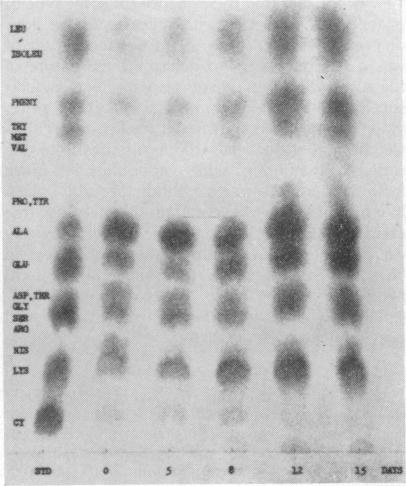
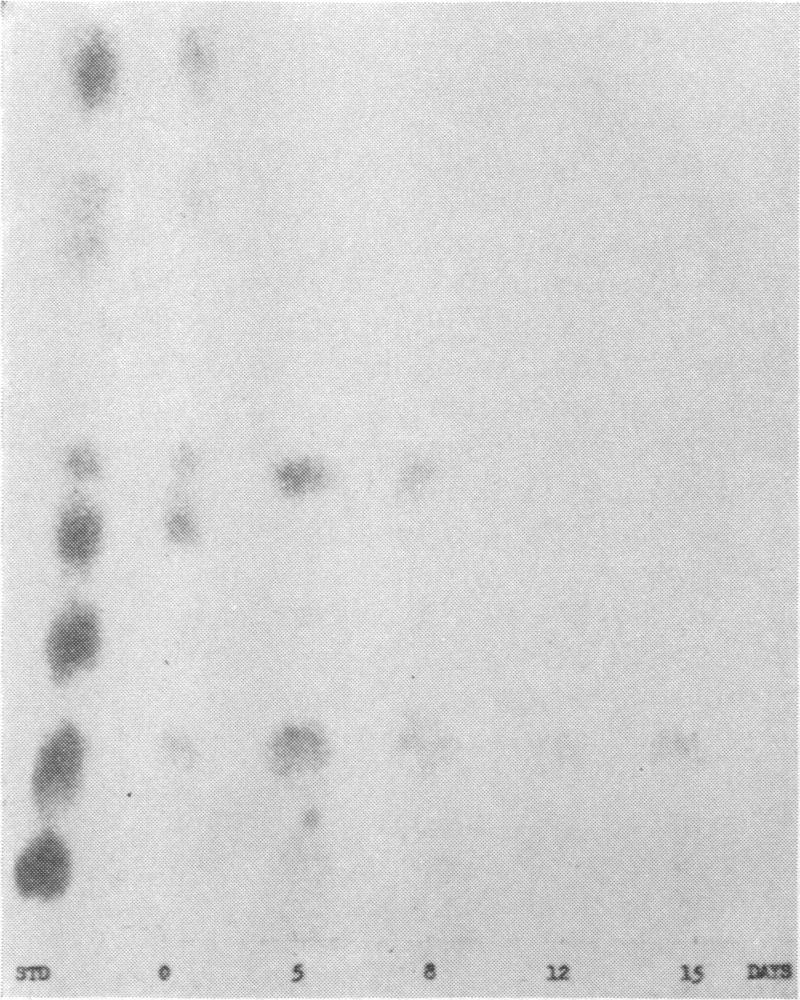
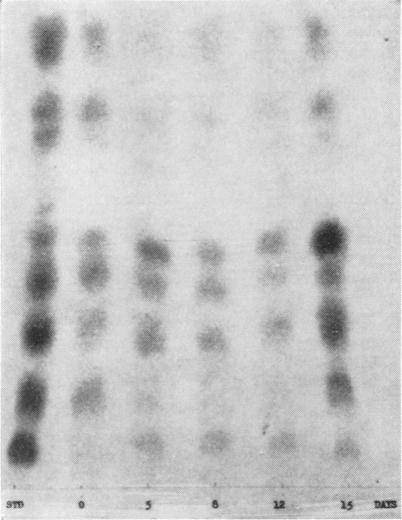
Fresh beef allowed to undergo microbial spoilage at 7 C showed decreases in quantity and types of amino acids as well as decreases in nucleotides when the initial number of bacteria per gram was high. When the initial number of bacteria was low, decreases were either not detectable or of low orders. It seems, therefore, that low-molecular-weight compounds of the above type support the growth of beef-spoilage bacteria rather than primary beef proteins. These low-molecular-weight compounds provide the probable sources of ammonia, hydrogen sulfide, and other such compounds associated with beef allowed to spoil at low temperatures.
当每克牛肉初始细菌数量较高时,在7摄氏度下发生微生物腐败的新鲜牛肉,其氨基酸的数量和种类以及核苷酸都会减少。当初始细菌数量较低时,要么检测不到减少,要么减少程度很低。因此,上述这类低分子量化合物似乎支持牛肉腐败细菌的生长,而不是牛肉的主要蛋白质。这些低分子量化合物可能是与在低温下腐败的牛肉相关的氨、硫化氢和其他此类化合物的来源。