Transy C, Lalanne J L, Kourilsky P
EMBO J. 1984 Oct;3(10):2383-6. doi: 10.1002/j.1460-2075.1984.tb02143.x.
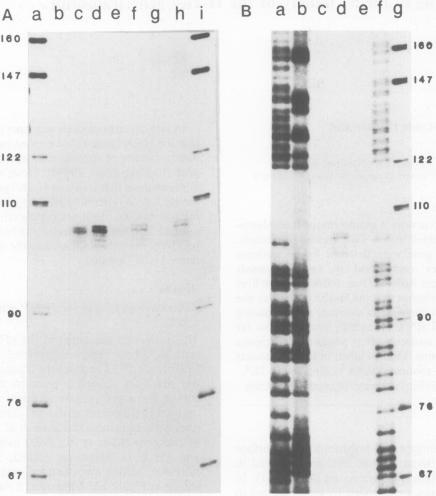
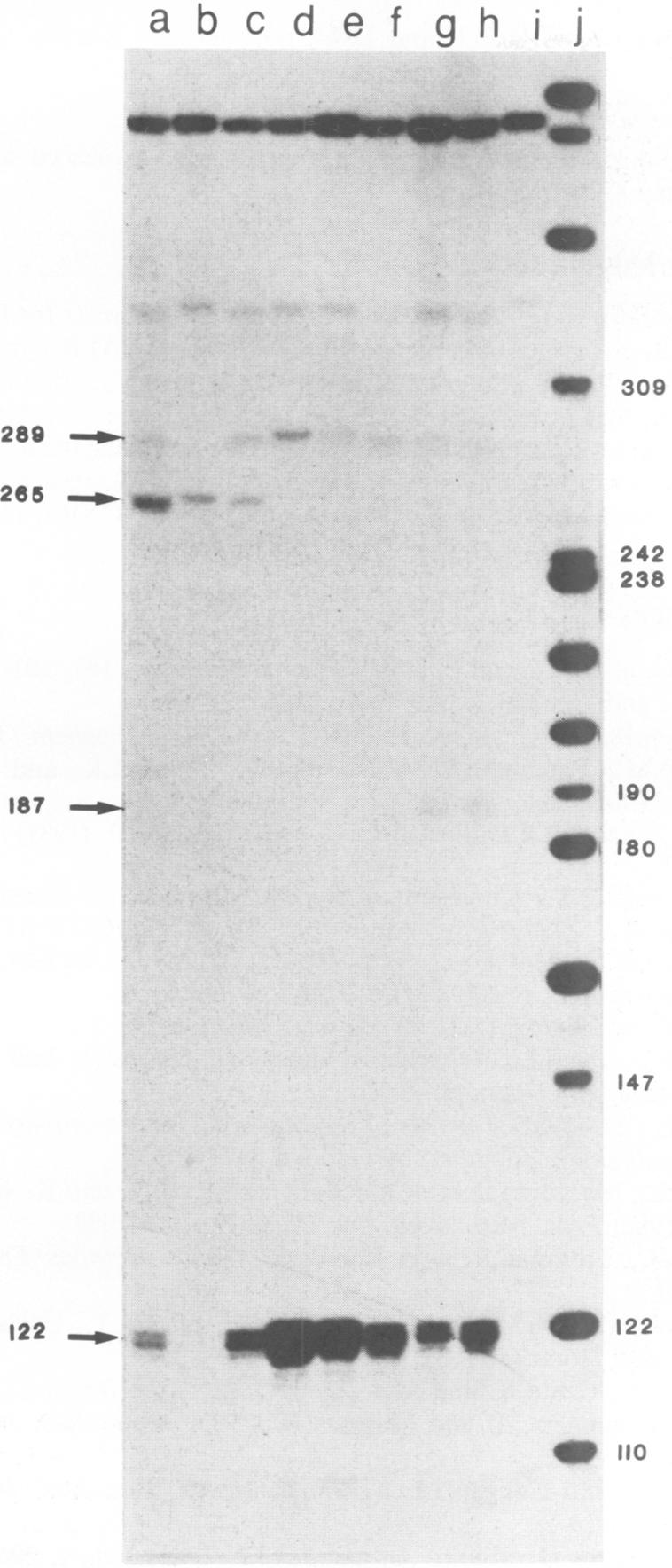
The H-2Kd gene, which encodes a mouse major transplantation antigen, was transfected into L TK- mouse fibroblasts. Two transcripts of the gene were detected by S1 nuclease mapping analysis. They correspond to two previously characterized cDNA clones isolated from DBA/2 mouse liver RNA, leading to the conclusion that the H-2Kd gene gives rise to two distinct transcripts through an alternate use of splicing sites. The non-canonical RNA potentially encodes a so far undescribed H-2Kd-like molecule. It is present in all tissues tested (liver, spleen, thymus, kidney) albeit in lower amounts (approximately 10-fold less) than the canonical RNA coding for H-2Kd.
编码小鼠主要移植抗原的H-2Kd基因被转染到L TK-小鼠成纤维细胞中。通过S1核酸酶图谱分析检测到该基因的两种转录本。它们与从DBA/2小鼠肝脏RNA中分离出的两个先前已鉴定的cDNA克隆相对应,从而得出结论:H-2Kd基因通过剪接位点的交替使用产生两种不同的转录本。这种非规范RNA可能编码一种迄今未描述的H-2Kd样分子。它存在于所有测试组织(肝脏、脾脏、胸腺、肾脏)中,尽管其含量比编码H-2Kd的规范RNA少(约少10倍)。