Bosslet K, Sauer G
J Virol. 1978 Feb;25(2):596-607. doi: 10.1128/JVI.25.2.596-607.1978.
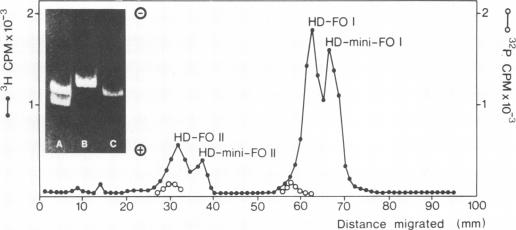
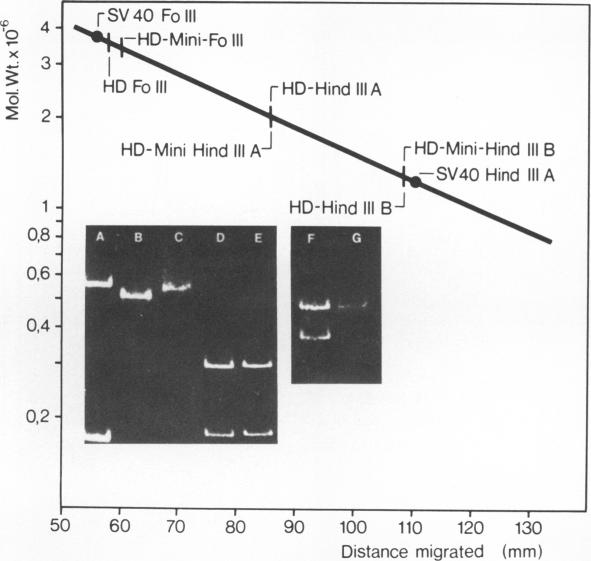
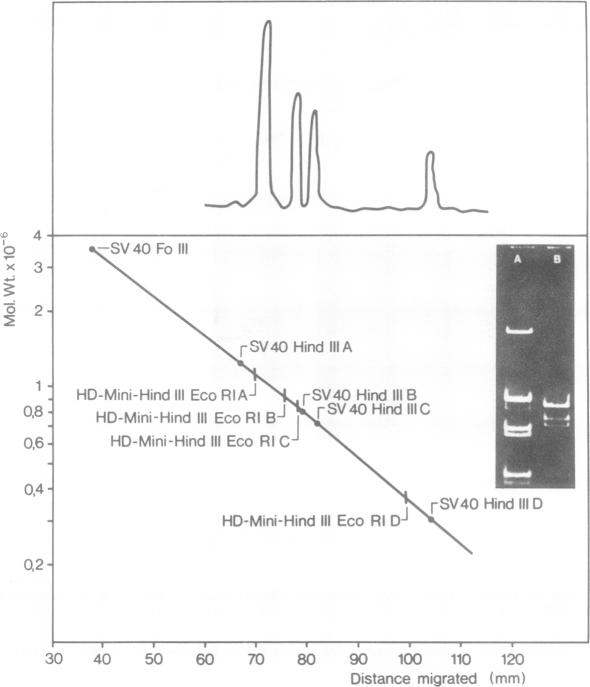
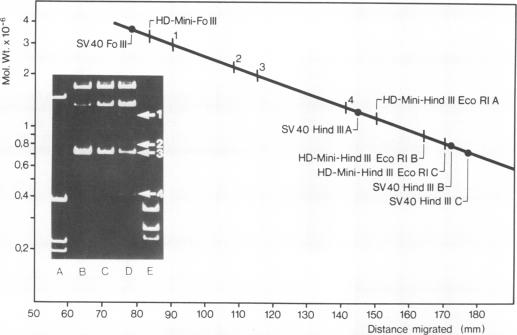
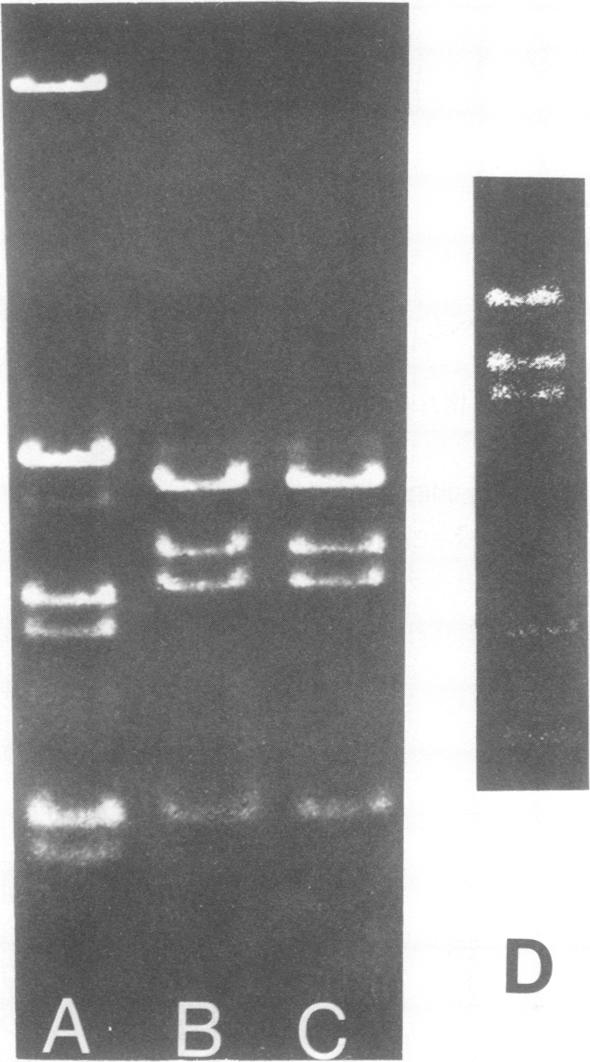
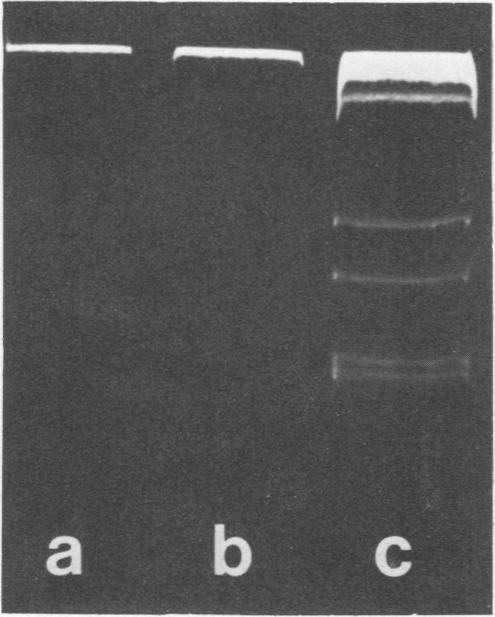
The superhelical DNA of the HD papovavirus is heterogeneous and consists of two discrete size classes with molecular weights of 3.45 X 10(6) and 3.25 X 10(6). Both size classes of DNA are encapsidated into HD virion particles. Their relative intracellular amounts differ, depending on the cell system. Vero-76 carrier cultures in which HD virus was detected contain both size classes of DNA, with the larger molecules prevailing by a factor of 10. Five clonal lines derived from Vero-76 cell cultures contain exclusively the larger DNA. On the other hand, after cocultivation of Vero-76 with CV-1 cells for several passages, minicircular DNA is accumulated such that both size classes are synthesized in equal amounts. Any of the originally viral DNA-producing cell lines may, upon subcultivation, cease yielding virus. The RITA cell line of Cercopithecus aethiops origin is the only cell line among numerous ones tested which upon infection permits the establishment of a one-step growth cycle. However, between 6 and 8 days after infection, viral DNA synthesis is discontinued, and a persistent viral infection cannot be established. Physical maps of the genomes were constructed, and it could be shown that the smaller, minicircular DNA had originated from the larger DNA as the result of a deletion. The sequences missing in the minicircular DNA are confined to the relative map position 0.15 to 0.21.
HD乳多空病毒的超螺旋DNA是异质的,由分子量分别为3.45×10⁶和3.25×10⁶的两个离散大小类别组成。这两种大小类别的DNA都被包装进HD病毒粒子中。它们在细胞内的相对含量有所不同,这取决于细胞系统。检测到HD病毒的Vero - 76载体培养物中含有这两种大小类别的DNA,其中较大的分子数量占优,比例为10倍。从Vero - 76细胞培养物衍生出的五个克隆系只含有较大的DNA。另一方面,Vero - 76与CV - 1细胞共培养几代后,会积累微小环状DNA,使得两种大小类别DNA的合成量相等。任何原本能产生病毒DNA的细胞系在传代培养时都可能停止产生病毒。源自非洲绿猴的RITA细胞系是众多测试细胞系中唯一在感染后能建立一步生长周期的细胞系。然而,在感染后6至8天,病毒DNA合成会停止,无法建立持续性病毒感染。构建了基因组的物理图谱,结果表明较小的微小环状DNA是较大DNA缺失后的产物。微小环状DNA中缺失的序列局限于相对图谱位置0.15至0.21处。