Hedstrom R C, Pavlovskis O R, Galloway D R
Infect Immun. 1984 Jan;43(1):49-53. doi: 10.1128/iai.43.1.49-53.1984.
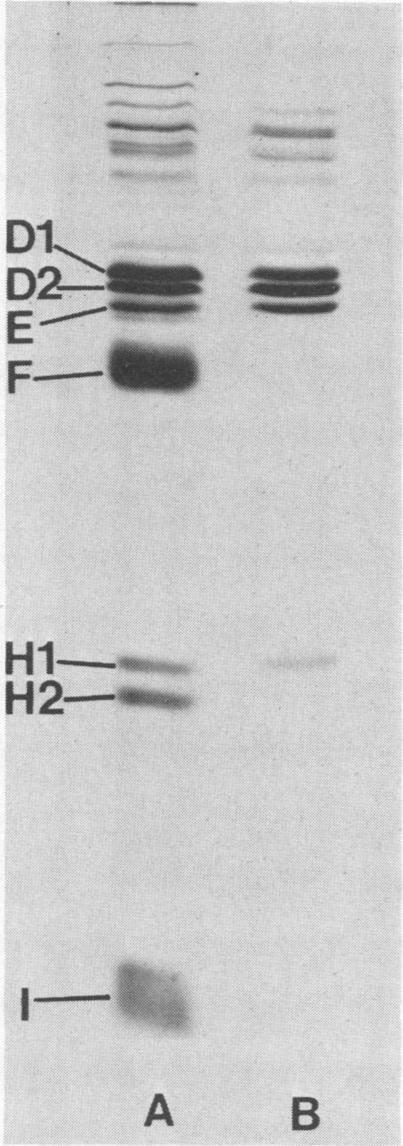
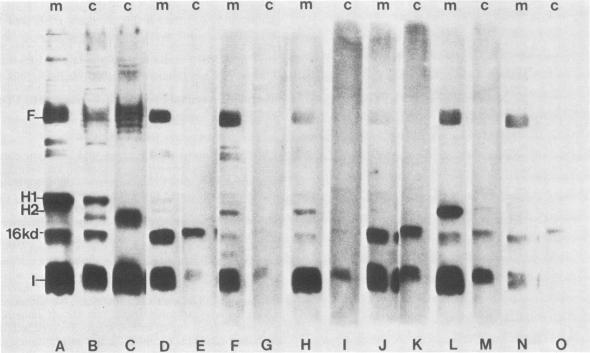
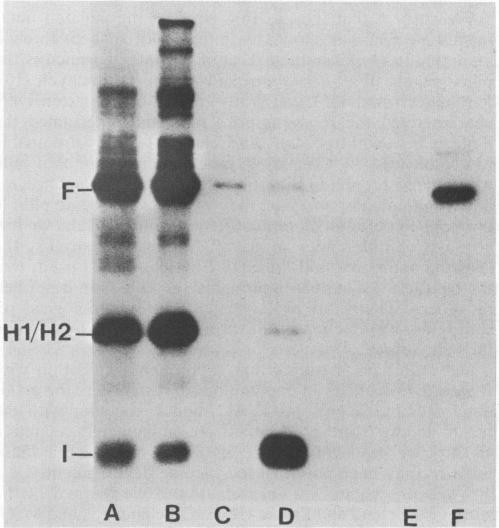
The antibody response to outer membrane proteins of Pseudomonas aeruginosa was studied in mice experimentally infected with P. aeruginosa 220. The infection consisted of an abscess established by subcutaneous injection of bacteria. Sera from these mice were analyzed by indirect radioimmunoprecipitation and immunoblot methods for the presence of antibodies to proteins of the isolated outer membrane. Sera from mice 14 days postinfection were shown to contain antibodies directed against proteins that comigrated with the major outer membrane proteins F (porin), H2, and I (lipoprotein). A 16,000-dalton protein that did not appear to be a major outer membrane protein also elicited a significant antibody response in some instances. It is concluded that mice, in response to infection, elicit an immunological response to outer membrane proteins of P. aeruginosa.
在实验性感染铜绿假单胞菌220的小鼠中研究了对铜绿假单胞菌外膜蛋白的抗体反应。感染是通过皮下注射细菌形成脓肿。通过间接放射免疫沉淀和免疫印迹方法分析这些小鼠的血清,以检测针对分离的外膜蛋白的抗体的存在。感染后14天的小鼠血清显示含有针对与主要外膜蛋白F(孔蛋白)、H2和I(脂蛋白)共迁移的蛋白质的抗体。一种似乎不是主要外膜蛋白的16,000道尔顿蛋白在某些情况下也引发了显著的抗体反应。得出的结论是,小鼠在感染后会对铜绿假单胞菌的外膜蛋白产生免疫反应。