Skene J H, Shooter E M
Proc Natl Acad Sci U S A. 1983 Jul;80(13):4169-73. doi: 10.1073/pnas.80.13.4169.
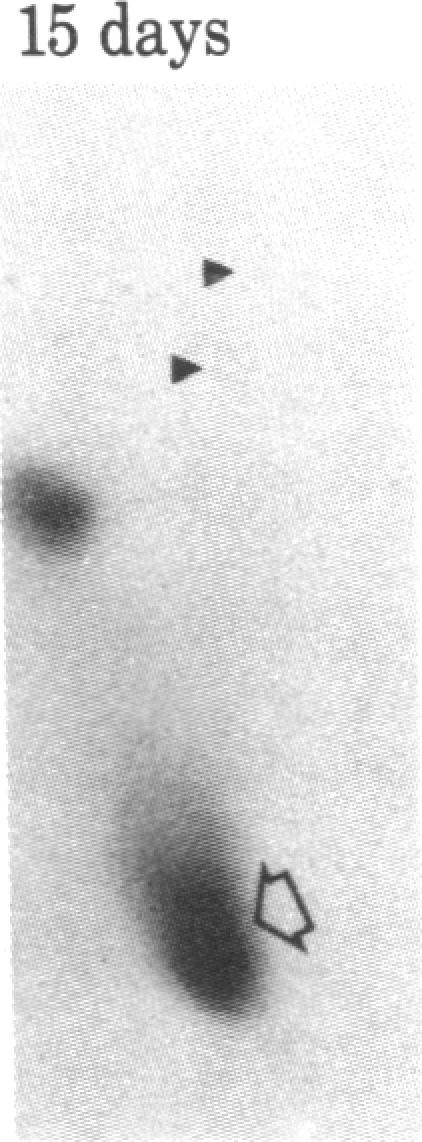
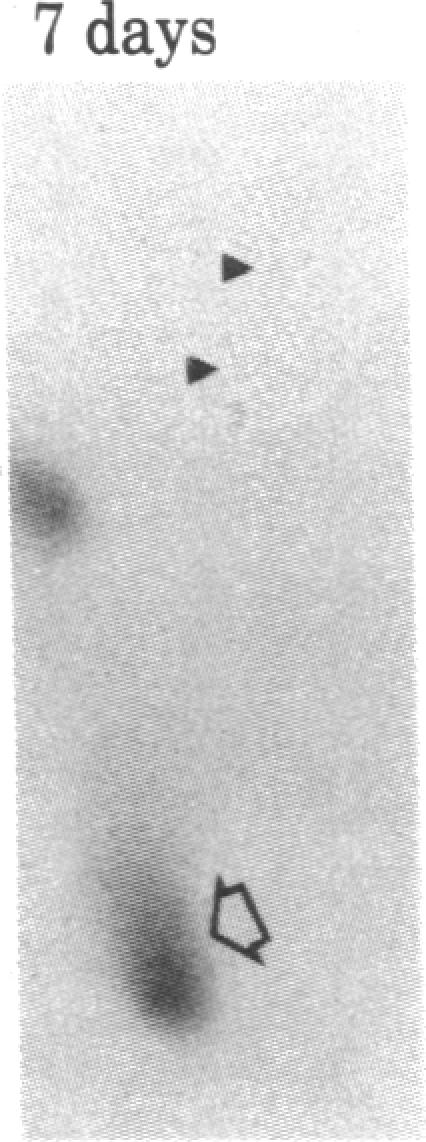
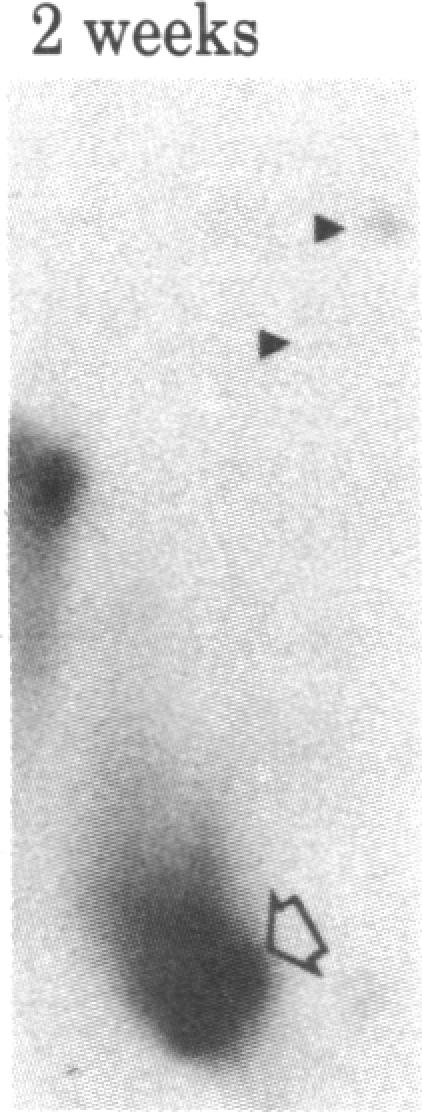
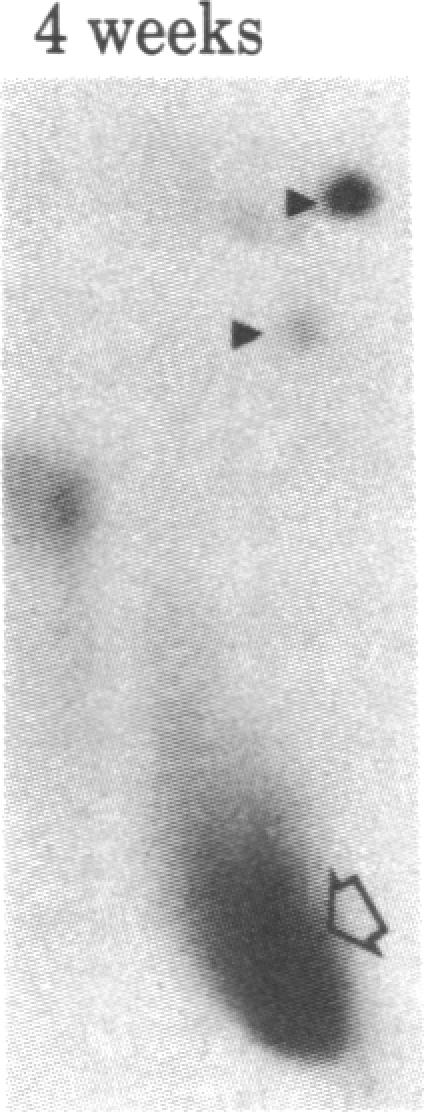
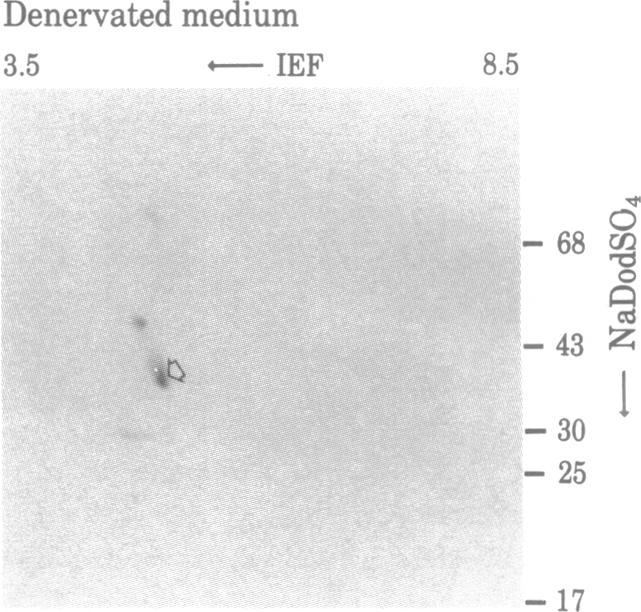
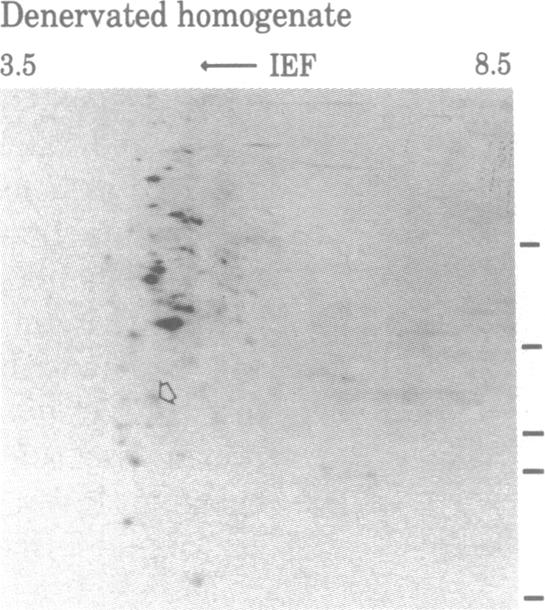
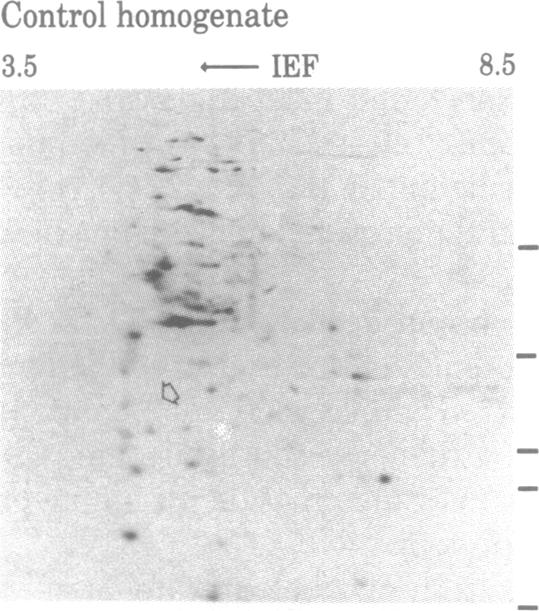
When rat sciatic nerves are crushed, Schwann cells or other supporting cells distal to the injury site begin to synthesize and secrete an acidic 37-kilodalton (kDa) protein. This crush-induced protein accumulates within the nerve sheath and accounts for 2-5% of the total extracellular protein in the distal nerve stump. Synthesis of the 37-kDa protein increased for 2 weeks after nerve crush and declines slowly, beginning 4-6 weeks after the injury. The synthesis of the protein may be regulated by axon-Schwann cell contact. The specific induction of the 37-kDa protein and its accumulation in the extracellular space during nerve regeneration suggest that the protein promotes some aspect of axon growth. Because it is induced slowly after injury, the 37-kDa protein is unlikely to stimulate initial outgrowth of axons; however, it might promote later neuronal responses related to axon growth. The sciatic nerve supporting cells also respond to denervation by reducing the synthesis and release of two proteins of molecular mass 51 and 54 kDa. After crush injury to rat optic nerves, glial cells in the distal optic nerve stump also begin to synthesize and release an acidic 37-kDa protein, although axons of this central nervous system tract do not regenerate. If the 37-kDa protein from peripheral nerves proves to participate in the support of axon regrowth, then the results with rat optic nerve suggest that central nervous system glia initiate at least one part of an appropriate response to nerve injury.
当大鼠坐骨神经受到挤压时,损伤部位远端的施万细胞或其他支持细胞开始合成并分泌一种酸性的37千道尔顿(kDa)蛋白质。这种挤压诱导蛋白在神经鞘内积累,占远端神经残端细胞外总蛋白的2%-5%。神经挤压后,37-kDa蛋白的合成增加2周,然后缓慢下降,从损伤后4-6周开始。该蛋白的合成可能受轴突-施万细胞接触的调节。37-kDa蛋白在神经再生过程中的特异性诱导及其在细胞外空间的积累表明,该蛋白促进轴突生长的某些方面。由于它在损伤后诱导缓慢,37-kDa蛋白不太可能刺激轴突的初始生长;然而,它可能促进与轴突生长相关的后期神经元反应。坐骨神经支持细胞也通过减少两种分子量分别为51和54 kDa的蛋白质的合成和释放来对去神经支配作出反应。大鼠视神经挤压损伤后,远端视神经残端的胶质细胞也开始合成并释放一种酸性的37-kDa蛋白,尽管该中枢神经系统束的轴突不会再生。如果来自外周神经的37-kDa蛋白被证明参与轴突再生的支持,那么大鼠视神经的结果表明,中枢神经系统胶质细胞至少启动了对神经损伤的适当反应的一部分。