Binder A I, Bulgen D Y, Hazleman B L, Tudor J, Wraight P
Ann Rheum Dis. 1984 Jun;43(3):365-9. doi: 10.1136/ard.43.3.365.
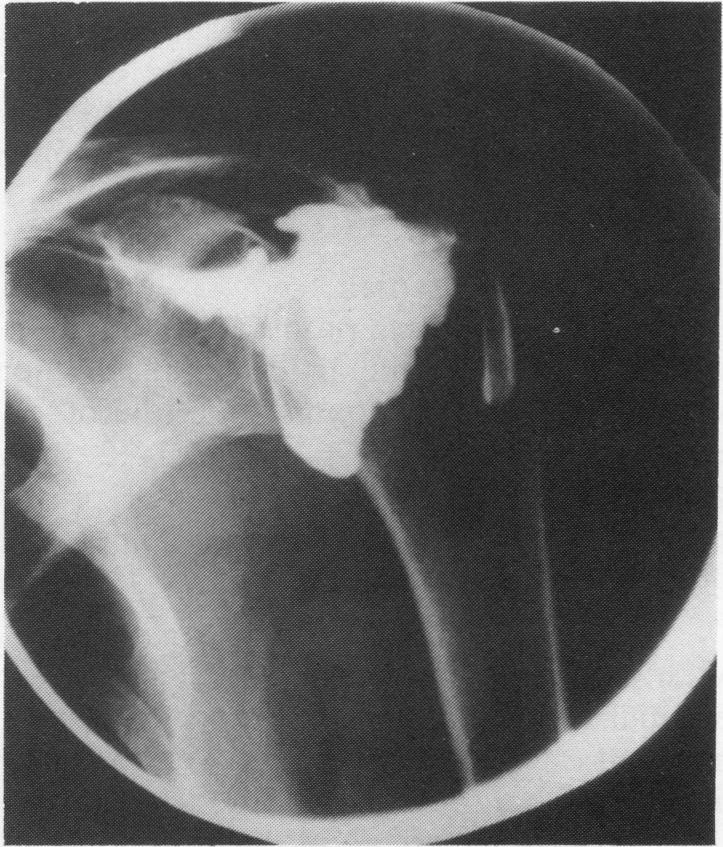
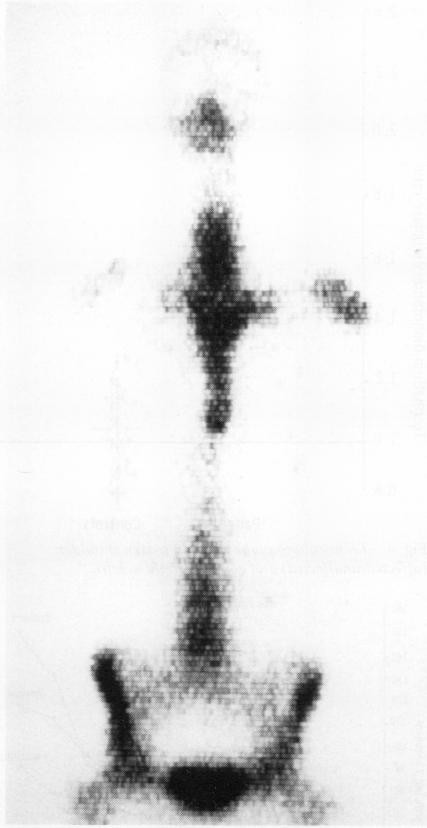
The diagnostic criteria and nomenclature used to describe the painful stiff shoulder remain confused. Arthrographic features of capsulitis have come to be accepted as characteristic of the frozen shoulder. Increased technetium uptake has also been noted. Both features have been considered to have possible prognostic and therapeutic importance. During a therapeutic study of strictly defined clinical frozen shoulder 35 of 38 patients showed increased technetium diphosphonate uptake in the affected shoulder in comparison with the opposite side. Of 36 patients who had arthrography 15 showed evidence of capsulitis, 11 rupture of the rotator cuff, and five no abnormality. Five tests failed owing to technical difficulty. There was no association between the technetium uptake and the arthrographic features, and neither was useful in predicting the rate or extent of recovery. Frozen shoulder of traumatic onset behaved no differently from that which arose spontaneously. We do not therefore consider that arthrography or technetium diphosphonate scanning performed at presentation contributes to the assessment of the painful stiff shoulder.
用于描述疼痛性肩关节僵硬的诊断标准和命名仍然混乱。肩周炎的关节造影特征已被视为冻结肩的特征。也有人注意到锝摄取增加。这两个特征都被认为可能具有预后和治疗意义。在一项对严格定义的临床冻结肩的治疗研究中,38名患者中有35名患侧肩关节的二膦酸锝摄取量比健侧增加。在36例行关节造影的患者中,15例有肩周炎证据,11例肩袖破裂,5例无异常。5例检查因技术困难失败。锝摄取与关节造影特征之间无关联,两者均无助于预测恢复的速度或程度。创伤性起病的冻结肩与自发性冻结肩表现无异。因此,我们认为就诊时进行的关节造影或二膦酸锝扫描无助于评估疼痛性肩关节僵硬。