Beher M G, Schnaitman C A, Pugsley A P
J Bacteriol. 1980 Aug;143(2):906-13. doi: 10.1128/jb.143.2.906-913.1980.
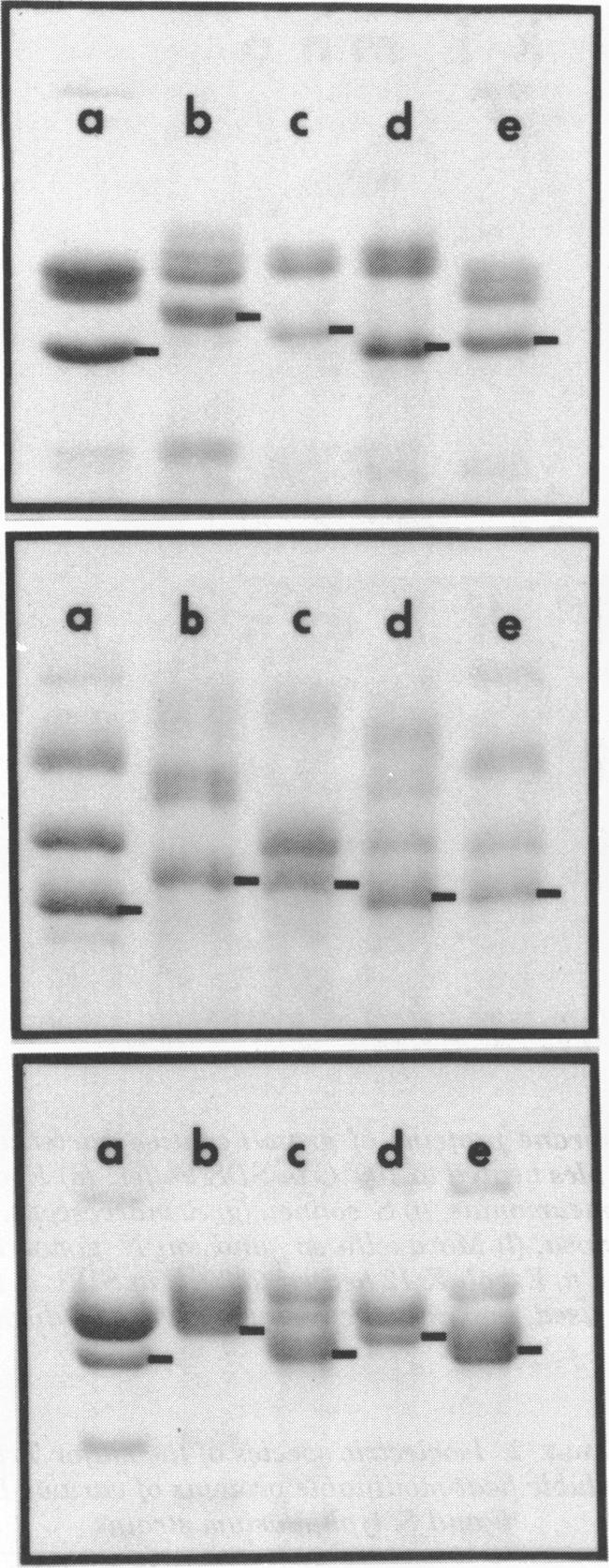
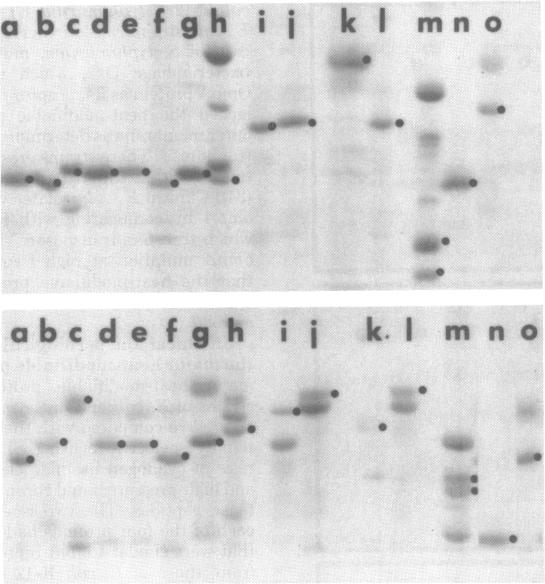
The outer membranes of several strains of Escherichia coli, other enteric bacteria, and a variety of nonenteric gram-negative bacteria all contain a major heat-modifiable protein similar to the OmpA protein of E. coli K-12. The heat-modifiable proteins from these bacteria resemble the K-12 protein in molecular weight, in preferential release from the outer membrane by sodium dodecyl sulfate in the presence of Mg2+, and in characteristic cleavage by proteases to yield a smaller fragment which remains membrane bound. Antiserum directed against the K-12 protein precipitated the heat-modifiable protein from all strains of Enterobacteriaceae, and chemical comparison by isoelectric focusing, cyanogen bromide cleavage profiles, and proteolytic peptide analysis indicated that the proteins from the various enteric bacteria were nearly identical in primary structure. The heat-modifiable proteins from bacteria phylogenically distant from E. coli shared many of the properties of the E. coli protein but were chemically distinct. Thus, it appears that the structure (and, presumably, the function) of the heat-modifiable protein of gram-negative bacteria is strongly conserved during evolution.
几种大肠杆菌菌株、其他肠道细菌以及多种非肠道革兰氏阴性菌的外膜均含有一种主要的热可变蛋白,该蛋白类似于大肠杆菌K-12的OmpA蛋白。这些细菌的热可变蛋白在分子量、在Mg2+存在下被十二烷基硫酸钠优先从外膜释放以及被蛋白酶特异性切割产生仍与膜结合的较小片段等方面与K-12蛋白相似。针对K-12蛋白的抗血清沉淀了所有肠杆菌科菌株的热可变蛋白,通过等电聚焦、溴化氰裂解图谱和蛋白水解肽分析进行的化学比较表明,各种肠道细菌的蛋白在一级结构上几乎相同。与大肠杆菌在系统发育上距离较远的细菌的热可变蛋白具有许多大肠杆菌蛋白的特性,但在化学性质上有所不同。因此,革兰氏阴性菌的热可变蛋白的结构(以及推测的功能)在进化过程中似乎得到了强烈的保守。