Abe T, Okamura K, Ono M, Kohno K, Mori T, Hori S, Kuwano M
Department of Biochemistry, Oita Medical University, Japan.
J Clin Invest. 1993 Jul;92(1):54-61. doi: 10.1172/JCI116599.
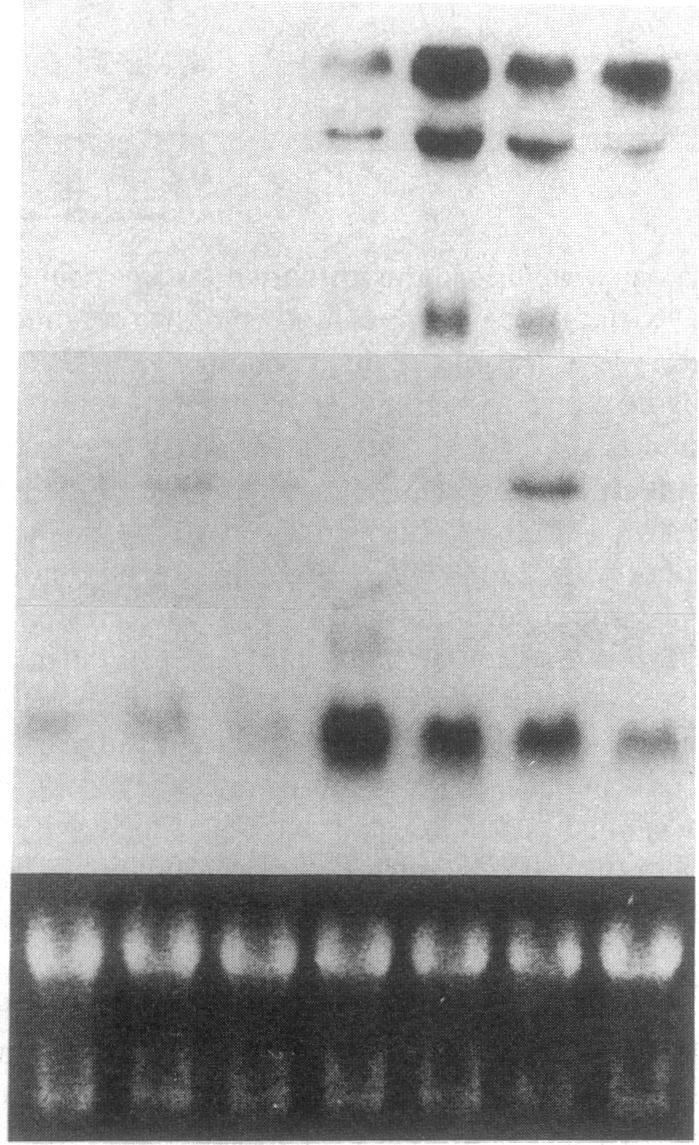
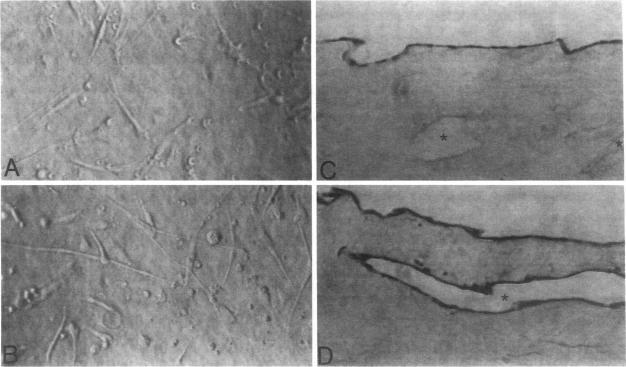
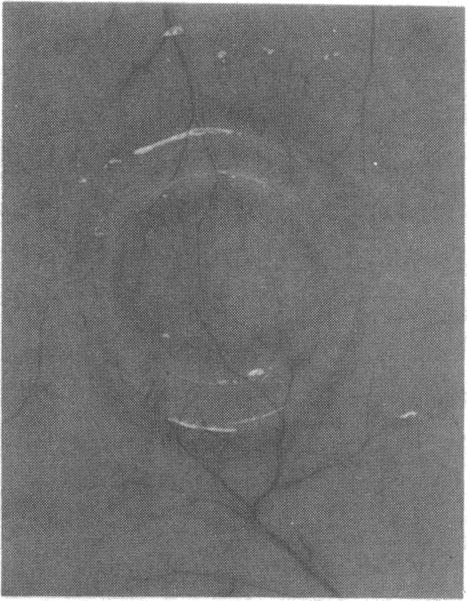
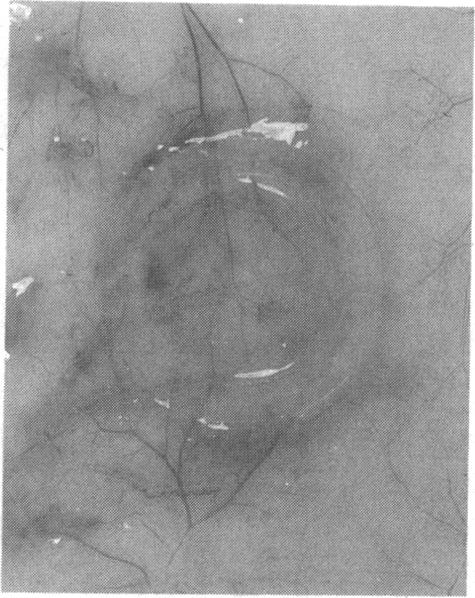
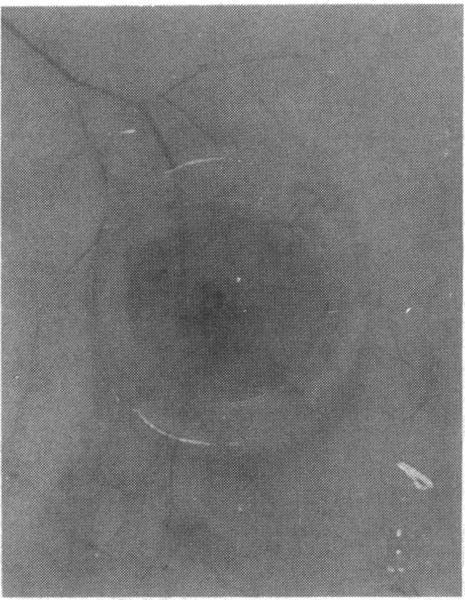
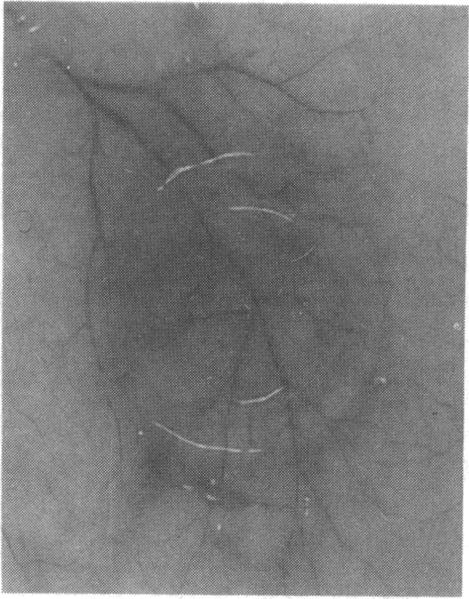
We have developed two different models of tumor angiogenesis by human brain tumors: one being tube formation by bovine aortic endothelial (BAE) cells cocultured with tumor cells in vitro, and other being in vivo angiogenesis in mice when tumor cells are transplanted into the dorsal sac. We investigated whether tube formation could be induced in BAE cells in type I collagen gel when these cells were cocultured with seven human glioma cell lines. Four of the seven glioma cell lines, which had high levels of basic fibroblast growth factor (bFGF) mRNA, induced tube formation by BAE cells. The tube formation was blocked by coadministration of anti-bFGF antibody. In in vivo model system of tumor angiogenesis in mice, these four cell lines were highly angiogenic. In contrast, with the other three glioma cell lines, which had poor expression of bFGF, BAE cells showed no apparent tube formation. These three cell lines did not efficiently develop capillary networks in mice. The results demonstrated a correlative relationship in the tubulogenesis of BAE cells, bFGF mRNA levels and angiogenesis in mice. The present study with two model systems of tumor angiogenesis suggests that the angiogenesis of some human glioma cell lines is mediated by bFGF, possibly via paracrine control.
一种是体外将牛主动脉内皮(BAE)细胞与肿瘤细胞共培养形成管腔结构,另一种是将肿瘤细胞移植到小鼠背部囊袋中形成体内血管生成。我们研究了将七种人类胶质瘤细胞系与BAE细胞在I型胶原凝胶中共培养时,是否能诱导BAE细胞形成管腔结构。七种胶质瘤细胞系中有四种,其碱性成纤维细胞生长因子(bFGF)mRNA水平较高,可诱导BAE细胞形成管腔结构。同时给予抗bFGF抗体可阻断管腔形成。在小鼠肿瘤血管生成的体内模型系统中,这四种细胞系具有高度血管生成能力。相比之下,另外三种bFGF表达较差的胶质瘤细胞系,BAE细胞未出现明显的管腔形成。这三种细胞系在小鼠体内未能有效形成毛细血管网络。结果表明BAE细胞的管腔形成、bFGF mRNA水平与小鼠血管生成之间存在相关性。本研究采用两种肿瘤血管生成模型系统表明,一些人类胶质瘤细胞系的血管生成可能由bFGF介导,可能通过旁分泌控制。