Fischer L, Catz D, Kelley D
Department of Biological Sciences, Columbia University, New York, NY 10027.
Proc Natl Acad Sci U S A. 1993 Sep 1;90(17):8254-8. doi: 10.1073/pnas.90.17.8254.
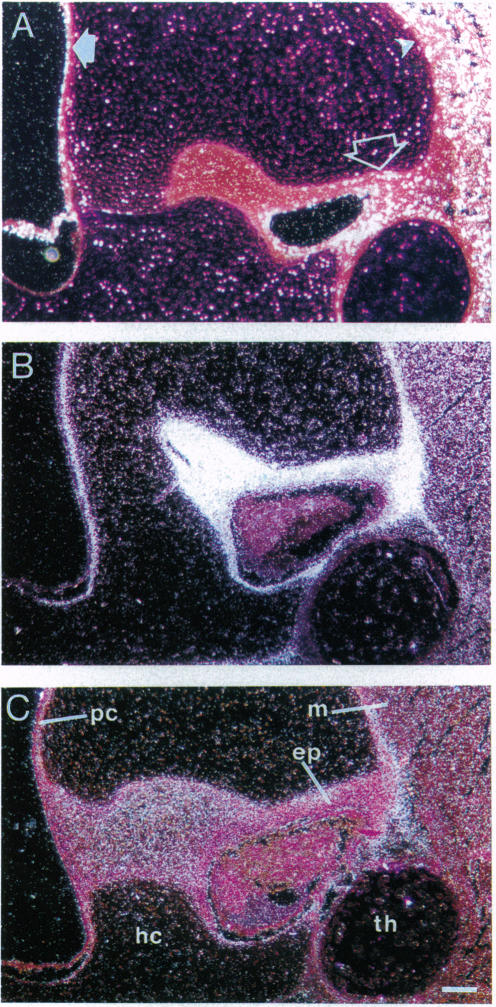
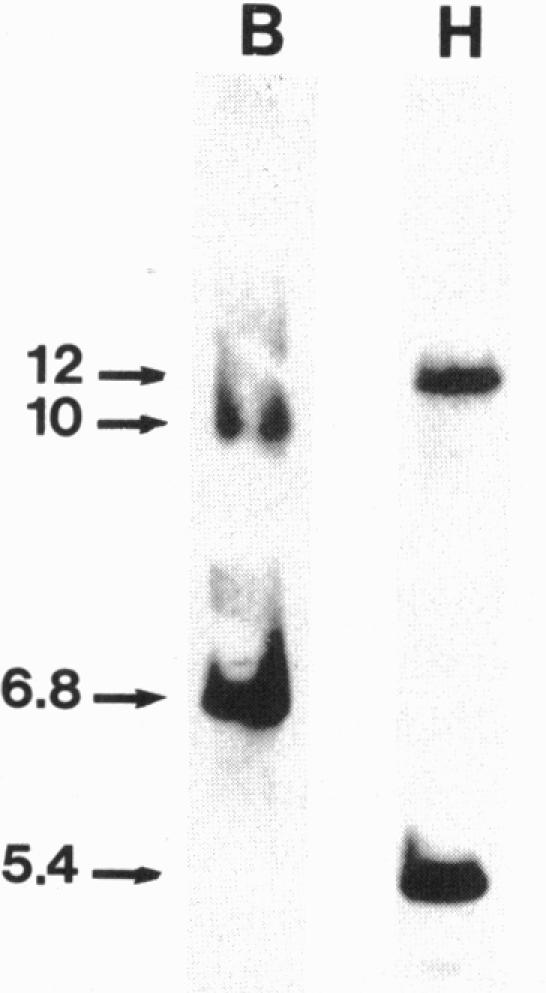
The larynx of male Xenopus laevis undergoes an androgen-driven developmental transformation that enables the adult to produce his complex mate attraction song. During the early postmetamorphic period, androgen directs proliferation and differentiation of laryngeal muscle and cartilage. To explore the cellular and molecular basis of androgen control, we have cloned an androgen receptor cDNA from juvenile larynx. Here we identify two androgen receptor mRNA isoforms, alpha and beta, differing within the A/B, or hypervariable, domain. Northern blot analyses reveal that the beta isoform is transiently expressed during early juvenile stages, whereas the alpha transcript is expressed throughout postmetamorphic life. Using in situ hybridization and [3H]thymidine autoradiography, we examined the expression of androgen receptor mRNA isoforms during androgen-evoked cell proliferation and differentiation. The alpha and beta transcripts are coexpressed in proliferating tissues of the juvenile larynx; in postmitotic differentiated tissues, only the alpha transcript is expressed. Because androgen receptor beta mRNA is specifically expressed during hormone-evoked cell proliferation, we propose that this developmentally regulated mRNA isoform is required for the masculine program of cell addition within the developing vocal organ.
雄性非洲爪蟾的喉部会经历雄激素驱动的发育转变,使成年雄性能发出复杂的求偶鸣叫。在变态后早期,雄激素引导喉部肌肉和软骨的增殖与分化。为探究雄激素控制的细胞和分子基础,我们从幼年爪蟾的喉部克隆了雄激素受体cDNA。在此,我们鉴定出两种雄激素受体mRNA亚型,α和β,它们在A/B或高变区内存在差异。Northern印迹分析显示,β亚型在幼年早期短暂表达,而α转录本在变态后的整个生命过程中均有表达。利用原位杂交和[³H]胸腺嘧啶放射自显影技术,我们检测了雄激素诱导的细胞增殖和分化过程中雄激素受体mRNA亚型的表达情况。α和β转录本在幼年喉部的增殖组织中共表达;在有丝分裂后分化的组织中,仅表达α转录本。由于雄激素受体β mRNA在激素诱导的细胞增殖过程中特异性表达,我们推测这种受发育调控的mRNA亚型对于发育中的发声器官内细胞添加的雄性程序是必需的。