Reis L F, Ruffner H, Stark G, Aguet M, Weissmann C
Institut für Molekularbiologie I, Universität Zürich, Switzerland.
EMBO J. 1994 Oct 17;13(20):4798-806. doi: 10.1002/j.1460-2075.1994.tb06805.x.
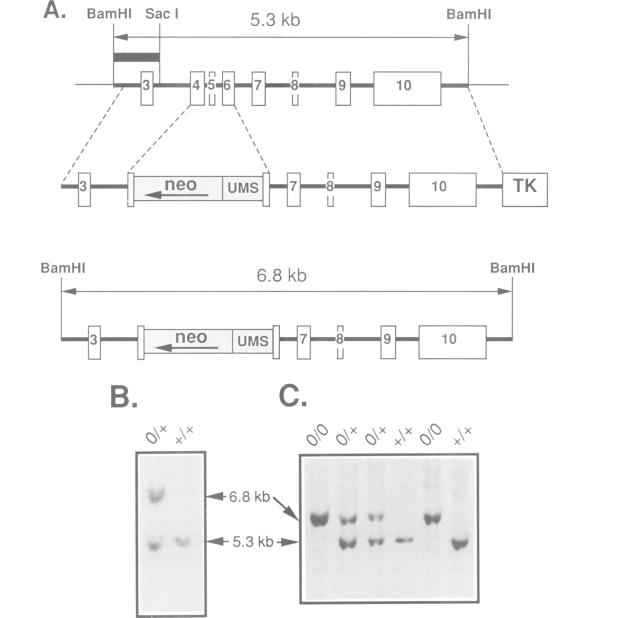
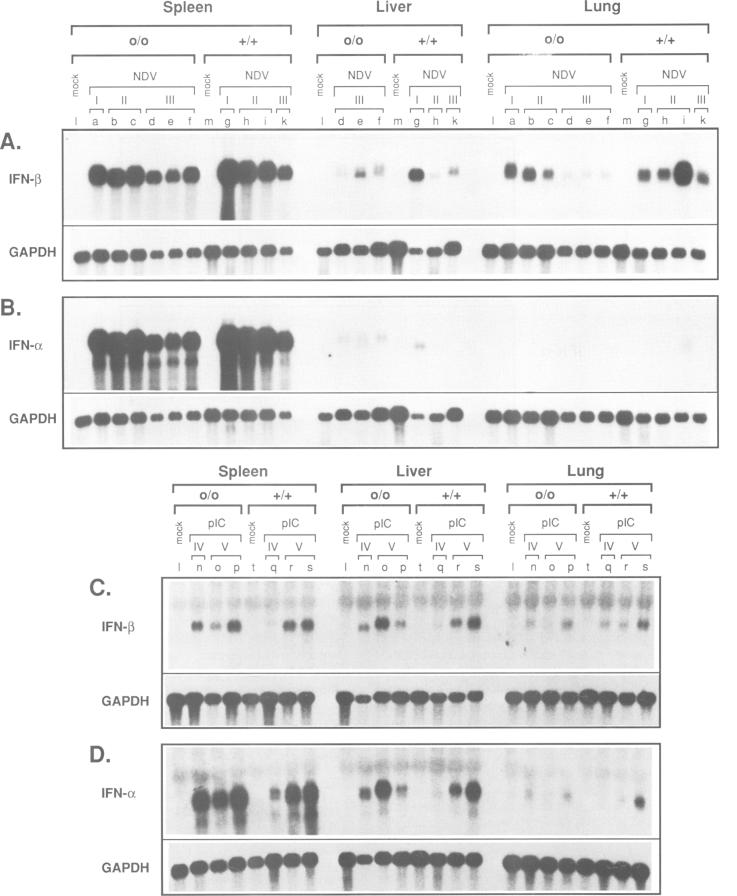
The transcription factor interferon regulatory factor 1 (IRF-1) binds tightly to the interferon (IFN)-beta promoter and has been implicated in the induction of type I IFNs. We generated mice devoid of functional IRF-1 by targeted gene disruption. As reported by others, IRF-1-deficient mice showed a discrete phenotype: the CD4/CD8 ratio was increased and IFN-gamma-induced levels of macrophage iNO synthase mRNA were strongly diminished. However, type I IFN induction in vivo by virus or double-stranded RNA was unimpaired, as evidenced by serum IFN titers and IFN mRNA levels in spleen, liver and lung. There was also no impairment in the response of type I IFN-inducible genes. Therefore, IRF-1 is not essential for these processes in vivo.
转录因子干扰素调节因子1(IRF-1)与干扰素(IFN)-β启动子紧密结合,并与I型干扰素的诱导有关。我们通过靶向基因破坏产生了缺乏功能性IRF-1的小鼠。正如其他人所报道的,IRF-1缺陷小鼠表现出一种离散的表型:CD4/CD8比率增加,IFN-γ诱导的巨噬细胞诱导型一氧化氮合酶mRNA水平显著降低。然而,病毒或双链RNA在体内诱导I型干扰素的能力并未受损,血清干扰素滴度以及脾脏、肝脏和肺中的干扰素mRNA水平证明了这一点。I型干扰素诱导基因的反应也没有受损。因此,IRF-1在体内对于这些过程并非必不可少。