Brito B, Palacios J M, Hidalgo E, Imperial J, Ruiz-Argüeso T
Laboratorio de Microbiología, Escuela Técnica Superior de Ingenieros Agrónomos, Universidad Politécnica de Madrid, Spain.
J Bacteriol. 1994 Sep;176(17):5297-303. doi: 10.1128/jb.176.17.5297-5303.1994.
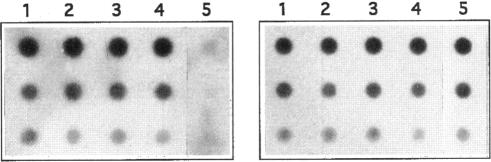
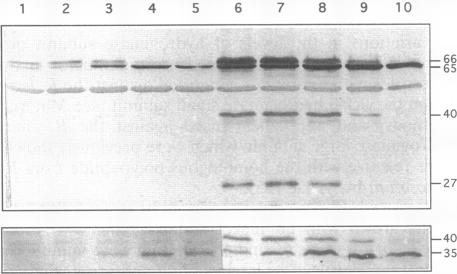
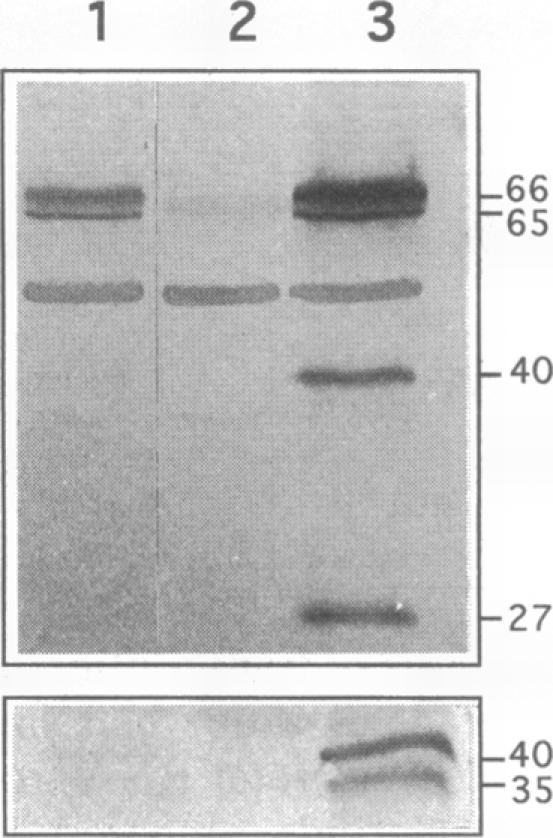
Rhizobium leguminosarum bv. viciae UPM791 induces the synthesis of an [NiFe] hydrogenase in pea (Pisum sativum L.) bacteroids which oxidizes the H2 generated by the nitrogenase complex inside the root nodules. The synthesis of this hydrogenase requires the genes for the small and large hydrogenase subunits (hupS and hupL, respectively) and 15 accessory genes clustered in a complex locus in the symbiotic plasmid. We show here that the bacteroid hydrogenase activity is limited by the availability of nickel to pea plants. Addition of Ni2+ to plant nutrient solutions (up to 10 mg/liter) resulted in sharp increases (up to 15-fold) in hydrogenase activity. This effect was not detected when other divalent cations (Zn2+, Co2+, Fe2+, and Mn2+) were added at the same concentrations. Determinations of the steady-state levels of hupSL-specific mRNA indicated that this increase in hydrogenase activity was not due to stimulation of transcription of structural genes. Immunoblot analysis with antibodies raised against the large and small subunits of the hydrogenase enzyme demonstrated that in the low-nickel situation, both subunits are mainly present in slow-migrating, unprocessed forms. Supplementation of the plant nutrient solution with increasing nickel concentrations caused the conversion of the slow-migrating forms of both subunits into fast-moving, mature forms. This nickel-dependent maturation process of the hydrogenase subunits is mediated by accessory gene products, since bacteroids from H2 uptake-deficient mutants carrying Tn5 insertions in hupG and hupK and in hypB and hypE accumulated the immature forms of both hydrogenase subunits even in the presence of high nickel levels.
豌豆根瘤菌蚕豆生物型UPM791可诱导豌豆(Pisum sativum L.)类菌体中[NiFe]氢化酶的合成,该氢化酶可氧化根瘤内固氮酶复合物产生的H2。这种氢化酶的合成需要小氢化酶亚基和大氢化酶亚基的基因(分别为hupS和hupL)以及15个辅助基因,这些基因聚集在共生质粒的一个复杂位点中。我们在此表明,类菌体氢化酶活性受豌豆植株镍供应的限制。向植物营养液中添加Ni2+(浓度高达10毫克/升)会导致氢化酶活性急剧增加(高达15倍)。当以相同浓度添加其他二价阳离子(Zn2+、Co2+、Fe2+和Mn2+)时,未检测到这种效应。对hupSL特异性mRNA稳态水平的测定表明,氢化酶活性的这种增加不是由于结构基因转录的刺激。用针对氢化酶大小亚基产生的抗体进行免疫印迹分析表明,在低镍情况下,两个亚基主要以迁移缓慢、未加工的形式存在。随着镍浓度的增加补充植物营养液会导致两个亚基的缓慢迁移形式转化为快速迁移的成熟形式。氢化酶亚基的这种镍依赖性成熟过程由辅助基因产物介导,因为携带hupG和hupK以及hypB和hypE中Tn5插入的H2吸收缺陷型突变体的类菌体即使在高镍水平下也会积累两种氢化酶亚基的未成熟形式。