
溶酶体天冬氨酰葡糖胺酶在内质网中被加工成活性亚基复合物。
Lysosomal aspartylglucosaminidase is processed to the active subunit complex in the endoplasmic reticulum.
作者信息
Ikonen E, Julkunen I, Tollersrud O K, Kalkkinen N, Peltonen L
机构信息
Department of Human Molecular Genetics, National Public Health Institute, Helsinki, Finland.
出版信息
EMBO J. 1993 Jan;12(1):295-302. doi: 10.1002/j.1460-2075.1993.tb05656.x.
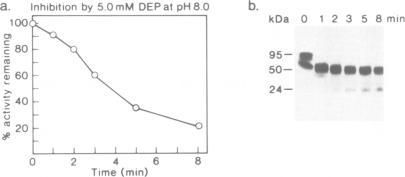
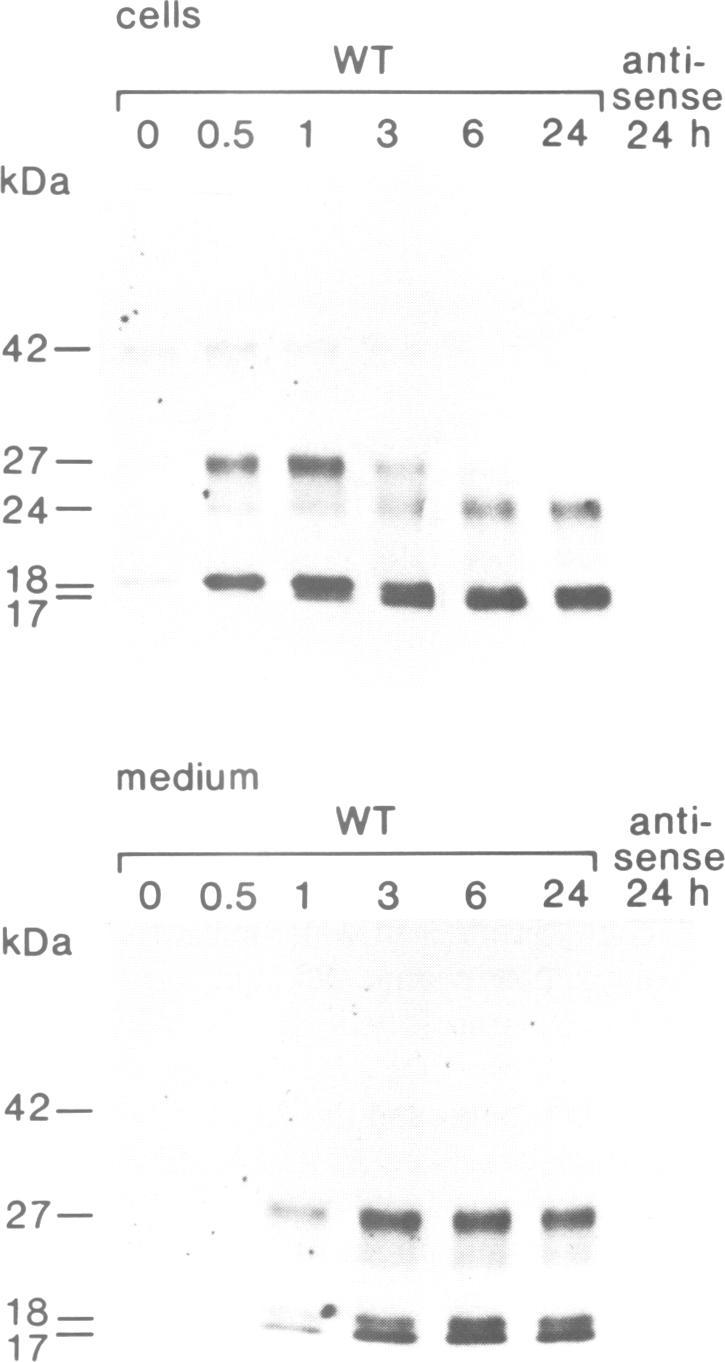
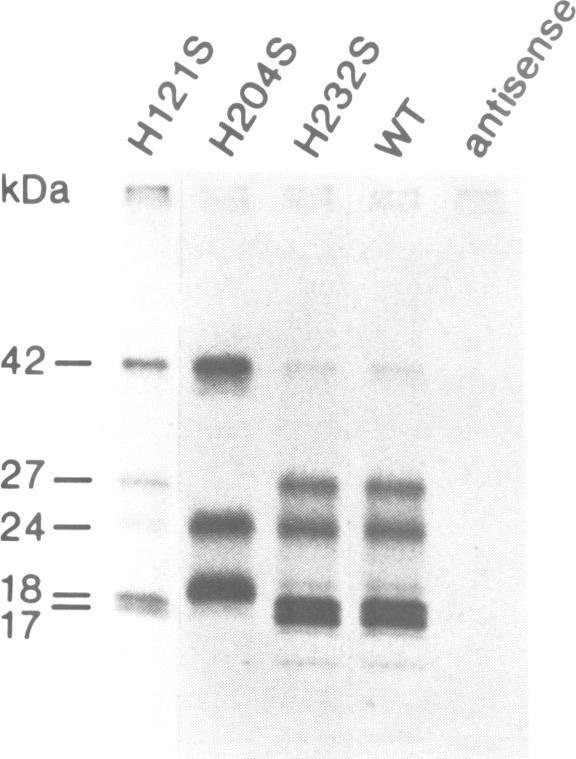
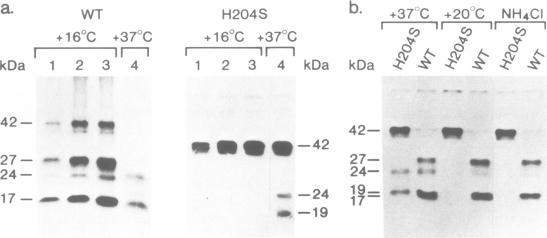
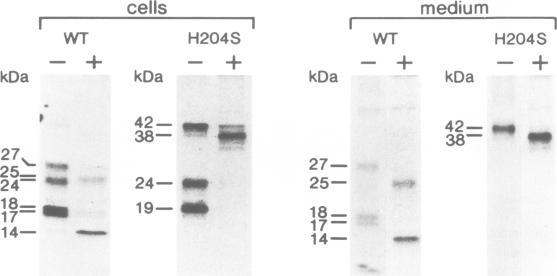
Aspartylglucosaminidase (AGA) is a lysosomal enzyme, the deficiency of which leads to a human storage disease, aspartylglucosaminuria (AGU). Although numerous mutations have been identified in AGU patients, elucidation of the molecular pathogenesis of the disease has been hampered by the missing information on the cellular events resulting in the maturation and activation of the enzyme. Here we used the expression of in vitro mutagenized constructs of the AGA cDNA to define three specific proteolytic trimming steps resulting in mature AGA. Removal of the signal peptide is immediately followed by proteolytic cleavage of the precursor into two subunits and results in biologically active enzyme already in the endoplasmic reticulum. This early activation has not previously been described for lysosomal enzymes. The subsequent lysosomal trimming does not influence the enzymatic activity of AGA. It consists only of a single proteolytic cleavage which removes 10 amino acids from the C-terminal end of the larger subunit, in contrast to the multistep lysosomal processing observed in several other hydrolases.
天冬氨酰葡萄糖胺酶(AGA)是一种溶酶体酶,其缺乏会导致一种人类贮积病——天冬氨酰葡萄糖胺尿症(AGU)。尽管在AGU患者中已鉴定出许多突变,但由于缺乏导致该酶成熟和激活的细胞事件的相关信息,对该疾病分子发病机制的阐明受到了阻碍。在这里,我们利用体外诱变的AGA cDNA构建体的表达来确定导致成熟AGA的三个特定蛋白水解修剪步骤。信号肽去除后紧接着是前体被蛋白水解切割成两个亚基,并在内质网中产生具有生物活性的酶。这种早期激活以前尚未在溶酶体酶中描述过。随后的溶酶体修剪并不影响AGA的酶活性。它仅由一次蛋白水解切割组成,从较大亚基的C末端去除10个氨基酸,这与在其他几种水解酶中观察到的多步骤溶酶体加工不同。


 Zotero 插件