Boström K, Watson K E, Horn S, Wortham C, Herman I M, Demer L L
Division of Cardiology, University of California, Los Angeles School of Medicine 90024-1679.
J Clin Invest. 1993 Apr;91(4):1800-9. doi: 10.1172/JCI116391.
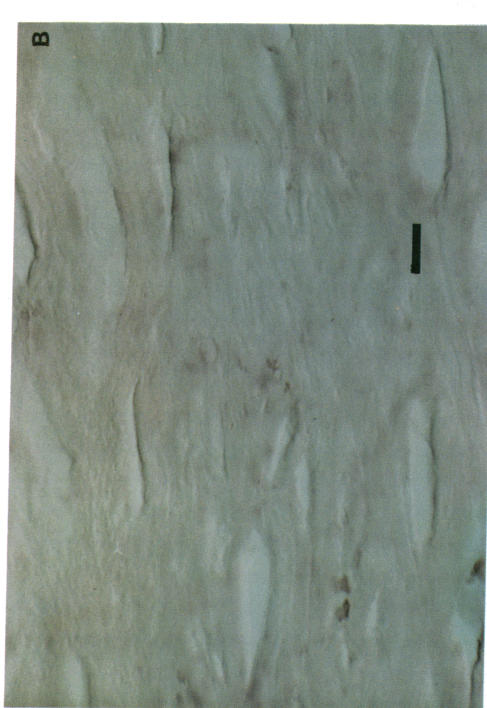
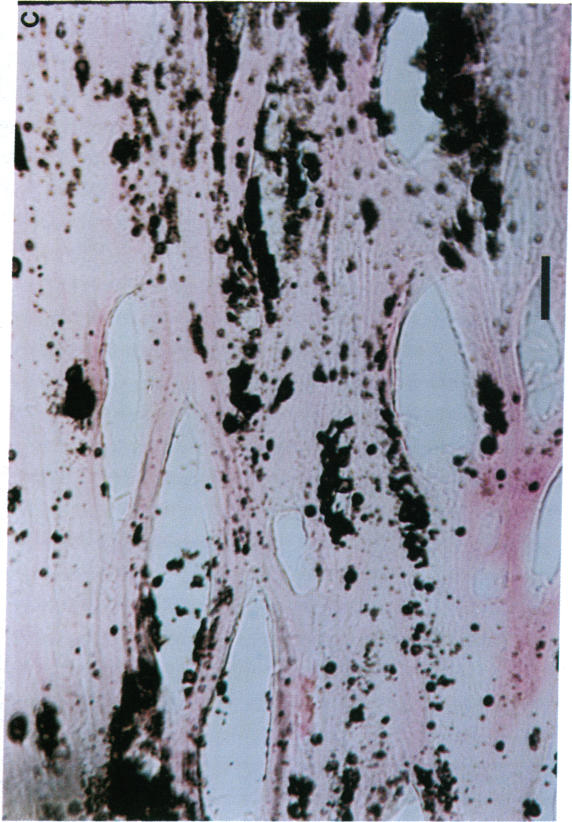
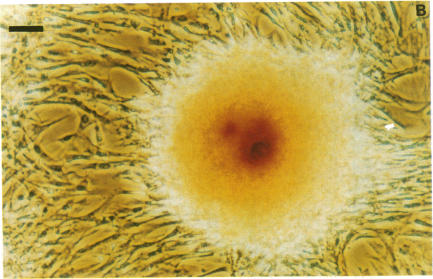
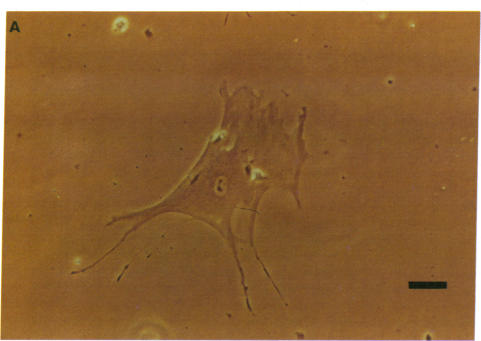
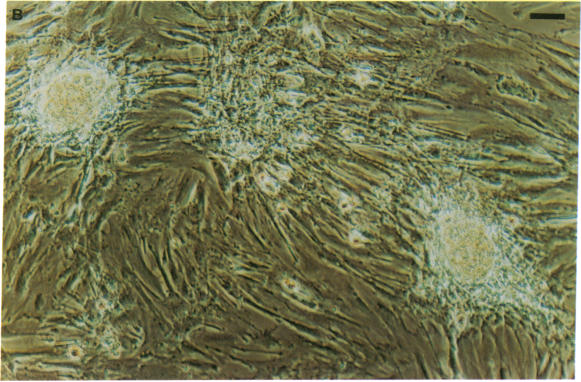
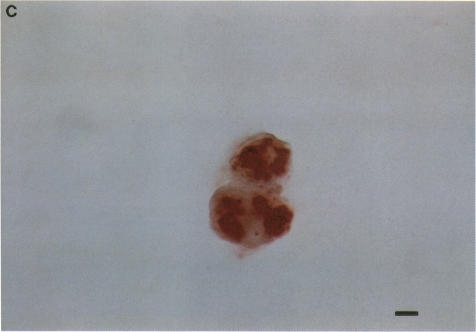
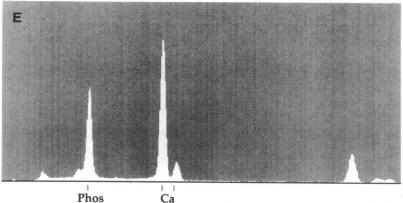
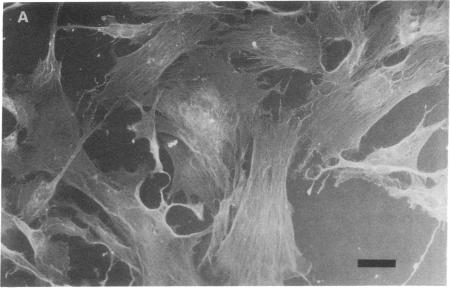
Artery wall calcification associated with atherosclerosis frequently contains fully formed bone tissue including marrow. The cellular origin is not known. In this study, bone morphogenetic protein-2a, a potent factor for osteoblastic differentiation, was found to be expressed in calcified human atherosclerotic plaque. In addition, cells cultured from the aortic wall formed calcified nodules similar to those found in bone cell cultures and expressed bone morphogenetic protein-2a with prolonged culture. The predominant cells in these nodules had immunocytochemical features characteristic of microvascular pericytes that are capable of osteoblastic differentiation. Pericyte-like cells were also found by immunohistochemistry in the intima of bovine and human aorta. These findings suggest that arterial calcification is a regulated process similar to bone formation, possibly mediated by pericyte-like cells.
与动脉粥样硬化相关的动脉壁钙化常常包含包括骨髓在内的完全形成的骨组织。其细胞起源尚不清楚。在本研究中,骨形态发生蛋白-2a,一种成骨细胞分化的强效因子,被发现在人类钙化动脉粥样硬化斑块中表达。此外,从主动脉壁培养的细胞形成了类似于在骨细胞培养物中发现的钙化结节,并且随着培养时间延长表达骨形态发生蛋白-2a。这些结节中的主要细胞具有能够成骨细胞分化的微血管周细胞的免疫细胞化学特征。通过免疫组织化学在牛和人主动脉内膜中也发现了类周细胞。这些发现表明动脉钙化是一个类似于骨形成的受调控过程,可能由类周细胞介导。