Charteris D G, Lightman S L
Institute of Ophthalmology, London.
Immunology. 1993 Mar;78(3):387-92.
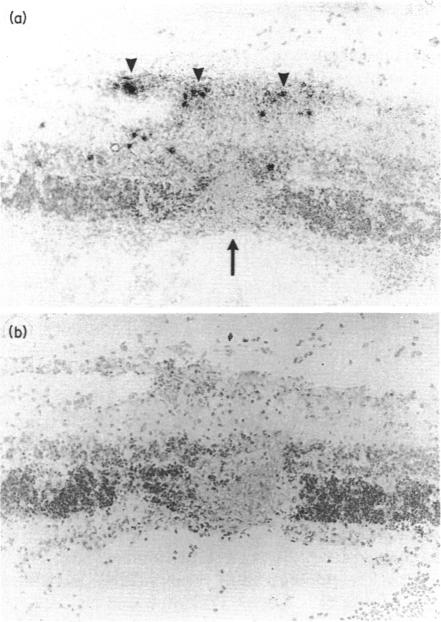
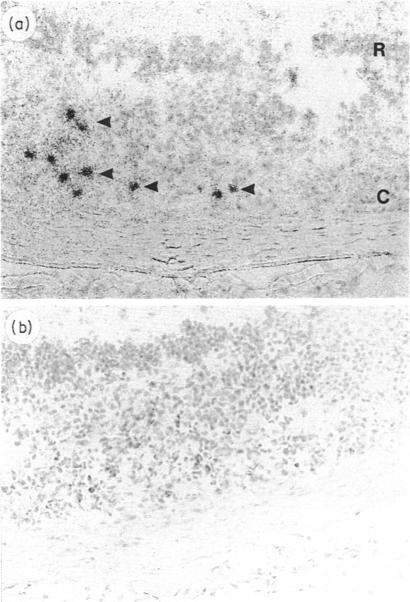
Experimental autoimmune uveoretinitis (EAU) is a well-characterized model of immune-mediated intraocular inflammation. The intraocular infiltrate in EAU consists predominantly of T lymphocytes. The in vivo production of interleukin-2 (IL-2), lymphotoxin and IL-4 by these T cells was investigated by in situ hybridization using cDNA probes to lymphokine mRNA. Localization of lymphokine mRNA was found simultaneous with disease onset in areas of T-cell infiltration. Positive signal was seen over cells in the uveal tract, retina and extraocular region. Less than 10% of the population of T cells defined immunohistochemically had positive localization of mRNA for these lymphokines. The number of positive cells was similar for each of the three probes and increased as the disease progressed. The findings suggest that these lymphokines are produced in vivo in immune-mediated intraocular inflammation and may play a role in the immunopathology seen in these conditions.
实验性自身免疫性葡萄膜视网膜炎(EAU)是一种特征明确的免疫介导性眼内炎症模型。EAU中的眼内浸润主要由T淋巴细胞组成。通过使用细胞因子mRNA的cDNA探针进行原位杂交,研究了这些T细胞在体内白细胞介素-2(IL-2)、淋巴毒素和IL-4的产生情况。细胞因子mRNA的定位在疾病发作时与T细胞浸润区域同时出现。在葡萄膜、视网膜和眼外区域的细胞上可见阳性信号。免疫组化定义的T细胞群体中,不到10%的细胞对这些细胞因子的mRNA有阳性定位。三种探针各自的阳性细胞数量相似,并随着疾病进展而增加。这些发现表明,这些细胞因子在免疫介导性眼内炎症中在体内产生,并可能在这些情况下所见的免疫病理学中发挥作用。