Nishimori K, Young L J, Guo Q, Wang Z, Insel T R, Matzuk M M
Department of Pathology, Baylor College of Medicine, Houston, TX 77030, USA.
Proc Natl Acad Sci U S A. 1996 Oct 15;93(21):11699-704. doi: 10.1073/pnas.93.21.11699.
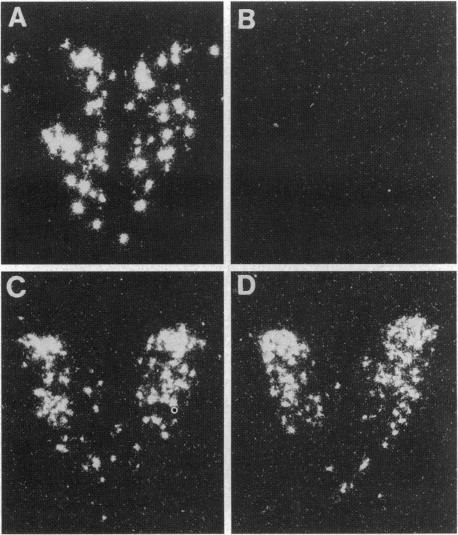
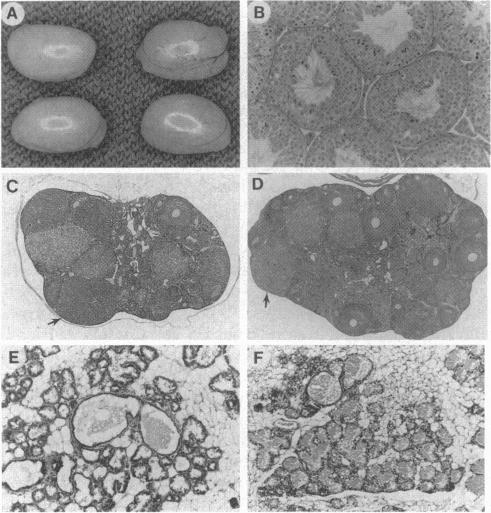
Oxytocin, a neurohypophyseal hormone, has been traditionally considered essential for mammalian reproduction. In addition to uterine contractions during labor and milk ejection during nursing, oxytocin has been implicated in anterior pituitary function, paracrine effects in the testis and ovary and the neural control of maternal and sexual behaviors. To determine the essential role(s) of oxytocin in mammalian reproductive function, mice deficient in oxytocin have been generated using embryonic stem cell technology. A deletion of exon 1 encoding the oxytocin peptide was generated in embryonic stem cells at a high frequency and was successfully transmitted in the germ line. Southern blot analysis of genomic DNA from homozygote offspring and in situ hybridization with an exonic probe 3' of the deletion failed to detect any oxytocin or neurophysin sequences, respectively, confirming that the mutation was a null mutation. Mice lacking oxytocin are both viable and fertile. Males do not have any reproductive behavioral or functional defects in the absence of oxytocin. Similarly, females lacking oxytocin have no obvious deficits in fertility or reproduction, including gestation and parturition. However, although oxytocin-deficient females demonstrate normal maternal behavior, all offspring die shortly after birth because of the dam's inability to nurse. Postpartum injections of oxytocin to the oxytocin deficient mothers restore milk ejection and rescue the offspring. Thus, despite the multiple reproductive activities that have been attributed to oxytocin, oxytocin plays an essential role only in milk ejection in the mouse.
催产素是一种神经垂体激素,传统上被认为对哺乳动物的繁殖至关重要。除了分娩时子宫收缩和哺乳时排乳外,催产素还与垂体前叶功能、睾丸和卵巢的旁分泌作用以及母体和性行为的神经控制有关。为了确定催产素在哺乳动物生殖功能中的重要作用,已利用胚胎干细胞技术培育出缺乏催产素的小鼠。在胚胎干细胞中高频产生了编码催产素肽的外显子1缺失,并成功地在种系中传递。对纯合子后代的基因组DNA进行Southern印迹分析,并用缺失位点3'端的外显子探针进行原位杂交,分别未检测到任何催产素或神经垂体素序列,证实该突变是一个无效突变。缺乏催产素的小鼠既存活又可育。在没有催产素的情况下,雄性小鼠没有任何生殖行为或功能缺陷。同样,缺乏催产素的雌性小鼠在生育能力或繁殖方面没有明显缺陷,包括妊娠和分娩。然而,尽管缺乏催产素的雌性小鼠表现出正常的母性行为,但由于母鼠无法哺乳,所有后代在出生后不久就死亡。给缺乏催产素的母亲产后注射催产素可恢复排乳并拯救后代。因此,尽管催产素被认为具有多种生殖活动,但催产素仅在小鼠的排乳过程中起重要作用。