Brentlinger P E
Department of Emergency Medicine, St Anne's Hospital, Fall River, Massachusetts 02721, USA.
BMJ. 1996 Dec 7;313(7070):1470-4. doi: 10.1136/bmj.313.7070.1470.
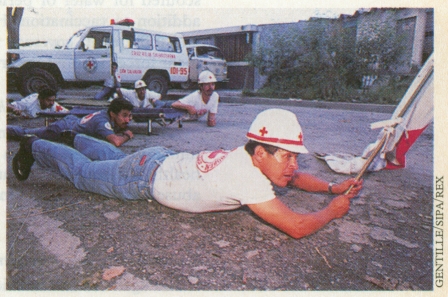
During the recent civil war in E1 Salvador, as in other modern wars, human rights abuses adversely affected health workers, patients, and medical facilities. The abuses themselves have been described in reports of human rights advocacy organisations but health sector adaptations to a hostile wartime environment have not. Agencies engaged in health work during the civil war adapted parties such as training of community based lay health workers, use of simple technology, concealment of patients and medical supplies, denunciation of human rights abuses, and multilevel negotiations in order to continue providing services. The Salvadorean experience may serve as a helpful case study for medical personnel working in wars elsewhere.
在萨尔瓦多最近的内战期间,与其他现代战争一样,侵犯人权行为对卫生工作者、患者和医疗设施产生了不利影响。人权倡导组织的报告中描述了这些侵权行为本身,但卫生部门对敌对战时环境的适应情况却未被提及。在内战期间从事卫生工作的机构采取了一些措施,如培训社区非专业卫生工作者、使用简单技术、隐匿患者和医疗用品、谴责侵犯人权行为以及进行多层次谈判,以便继续提供服务。萨尔瓦多的经验可能对在其他地方参与战争的医务人员起到有益的案例研究作用。