Ritch R
Department of Ophthalmology, New York Eye and Ear Infirmary, New York, USA.
Trans Am Ophthalmol Soc. 1996;94:381-405; discussion 405-9.
To synthesize recent findings regarding pigment dispersion syndrome in order to arrive at a hypothesis concerning the nature of an underlying genetic predisposition.
The literature on the subject was reviewed and analyzed.
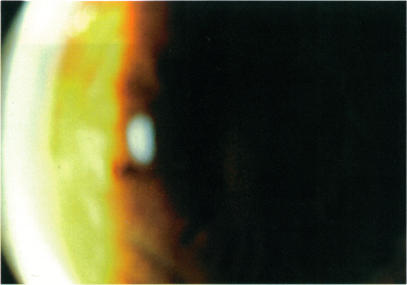
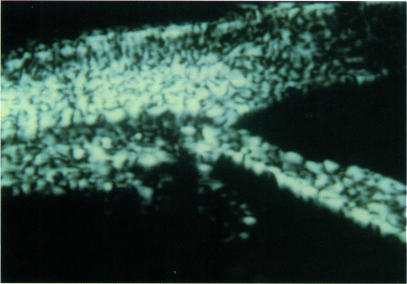
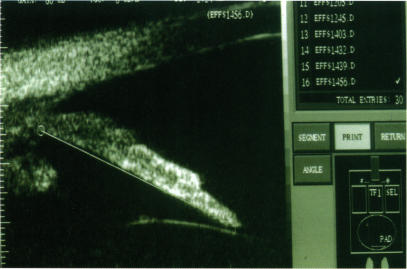
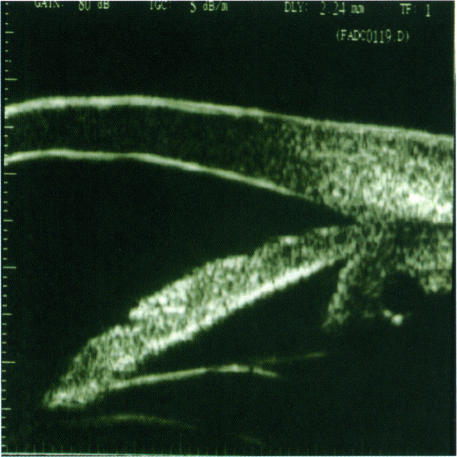
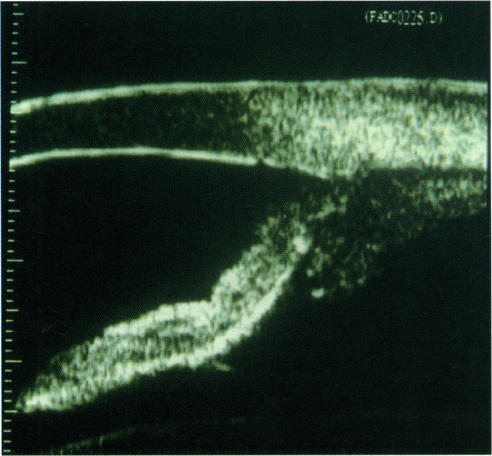
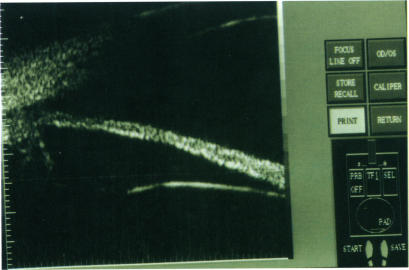
Eyes with pigment dispersion syndrome differ from normal in that they have a larger iris, a midperipheral posterior iris concavity that increases with accommodation, a more posterior iris insertion, increased iridolenticular contact that is reversed by inhibition of blinking, possibly an inherent weakness of the iris pigment epithelium, and an increased incidence of lattice degeneration of the retina.
A gene affecting some aspect of the development of the middle third of the eye early in the third trimester appears at the present time to be the most likely cause.
综合有关色素播散综合征的近期研究结果,以得出关于潜在遗传易感性本质的假说。
对该主题的文献进行了综述和分析。
色素播散综合征患者的眼睛与正常眼睛不同,表现为虹膜较大、中周部虹膜后凹随调节而增加、虹膜附着点更靠后、虹膜晶状体接触增加(眨眼抑制可使其逆转)、可能存在虹膜色素上皮固有薄弱,以及视网膜格子样变性发生率增加。
目前看来,在妊娠晚期早期影响眼球中三分之一发育某些方面的基因最有可能是病因。