Saijo K, Park S Y, Ishida Y, Arase H, Saito T
Center for Biomedical Science, Chiba University School of Medicine, Inohana, Chuo-ku, Japan.
J Exp Med. 1997 Jan 20;185(2):351-6. doi: 10.1084/jem.185.2.351.
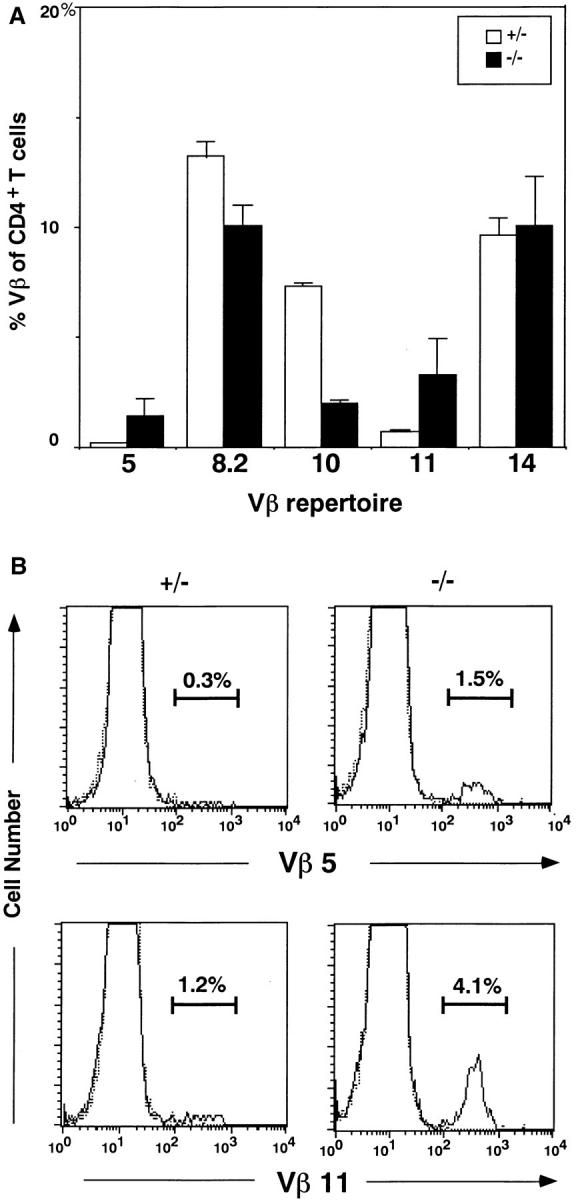
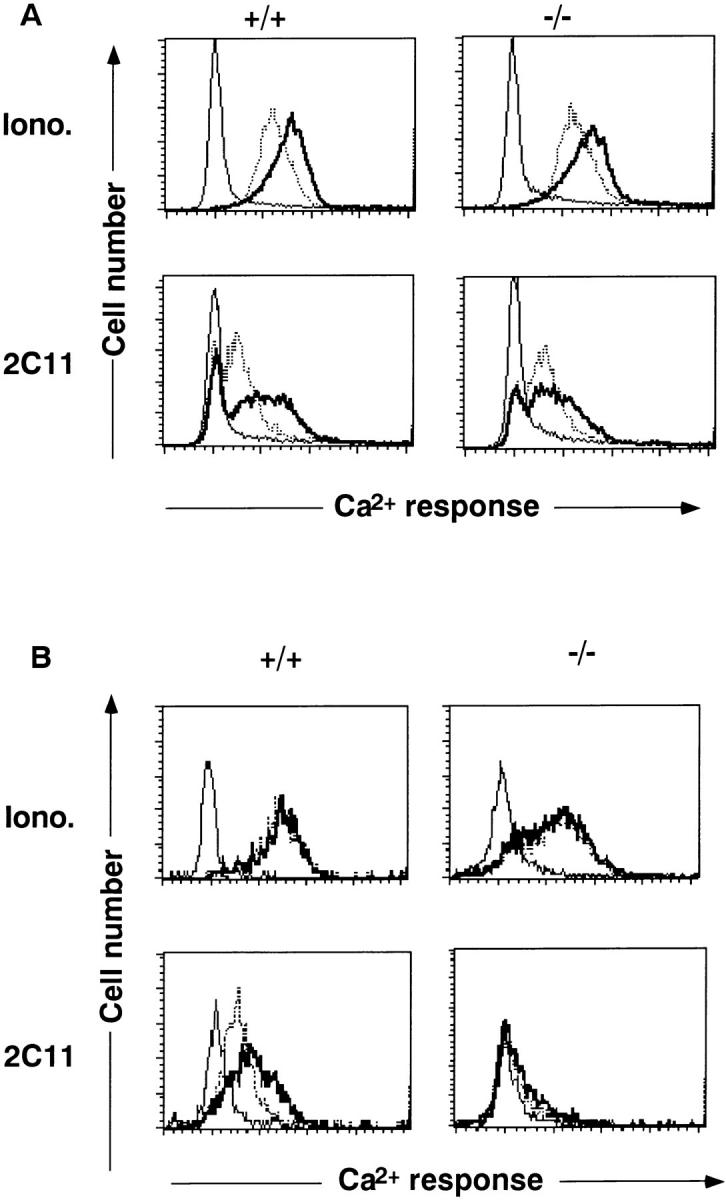
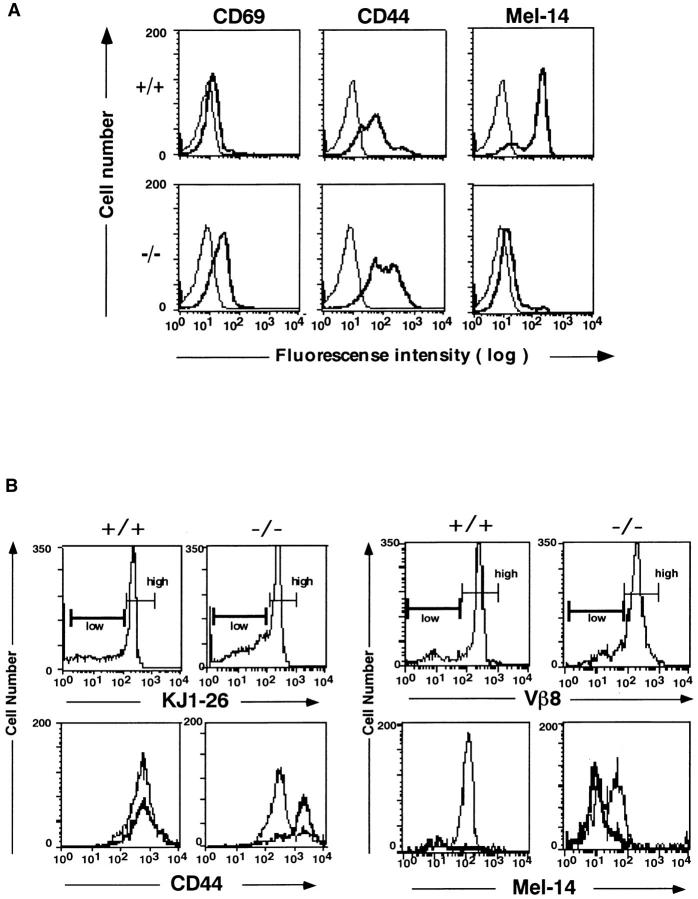
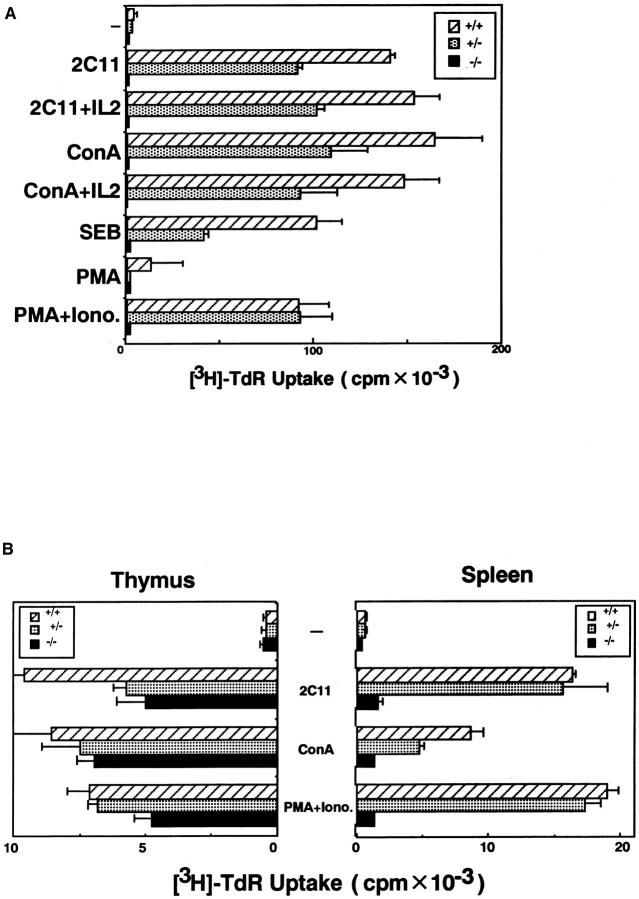
Jak3 mediates growth signals through cytokine receptors such as interleukin-2 (IL-2), IL-4, and IL-7, and its deficiency results in autosomal recessive SCID in mice and humans. In spite of the severely reduced number of lymphocytes in Jak3-deficient mice, the differentiation profile of thymocytes was normal and mature T cells accumulated in the periphery with age. However, we found that self-reactive T cells were not deleted in the thymus and the peripheral tissues in Jak3-deficient mice. All peripheral T cells were in the activation state and thus were unable to be activated further, as demonstrated by the failure of eliciting Ca2+ response upon T cell receptor (TCR) stimulation. From the analysis of TCR-transgenic Jak3-deficient mice, only self-reactive T cells appeared to be in the activated state and anergic. These findings demonstrate a crucial function of Jak3 in the negative selection of autoreactive T cells and the maintenance of functional peripheral T cells.
Jak3 通过细胞因子受体(如白细胞介素 -2(IL-2)、IL-4 和 IL-7)介导生长信号,其缺陷会导致小鼠和人类出现常染色体隐性重症联合免疫缺陷(SCID)。尽管 Jak3 缺陷小鼠的淋巴细胞数量严重减少,但胸腺细胞的分化谱正常,成熟 T 细胞会随着年龄增长在外周积累。然而,我们发现 Jak3 缺陷小鼠的胸腺和外周组织中自身反应性 T 细胞并未被清除。所有外周 T 细胞都处于激活状态,因此无法进一步被激活,这一点通过 T 细胞受体(TCR)刺激后无法引发 Ca2+ 反应得以证明。通过对 TCR 转基因 Jak3 缺陷小鼠的分析,只有自身反应性 T 细胞似乎处于激活和无反应状态。这些发现证明了 Jak3 在自身反应性 T 细胞的阴性选择和功能性外周 T 细胞维持中的关键作用。