Yap A S, Niessen C M, Gumbiner B M
Cellular Biochemistry and Biophysics Program, Memorial Sloan-Kettering Cancer Center, New York, 10021, USA.
J Cell Biol. 1998 May 4;141(3):779-89. doi: 10.1083/jcb.141.3.779.
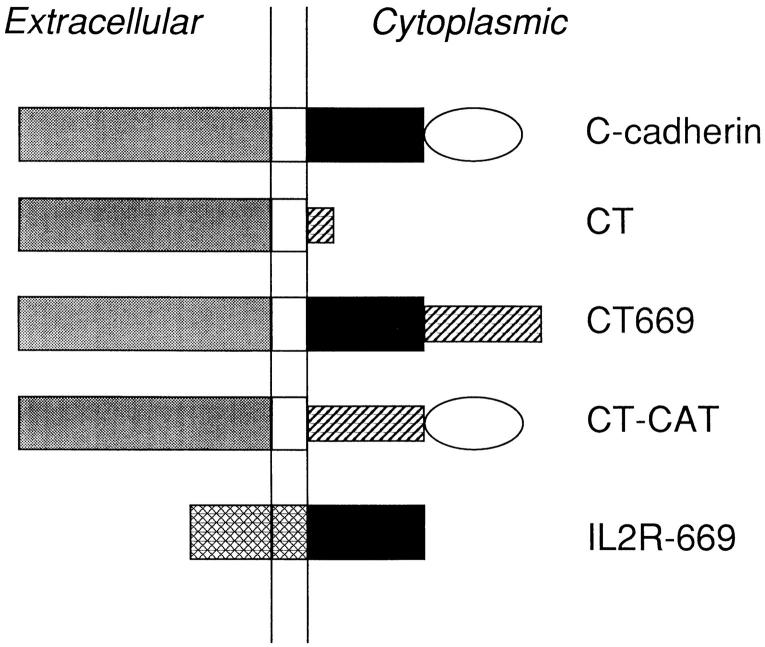
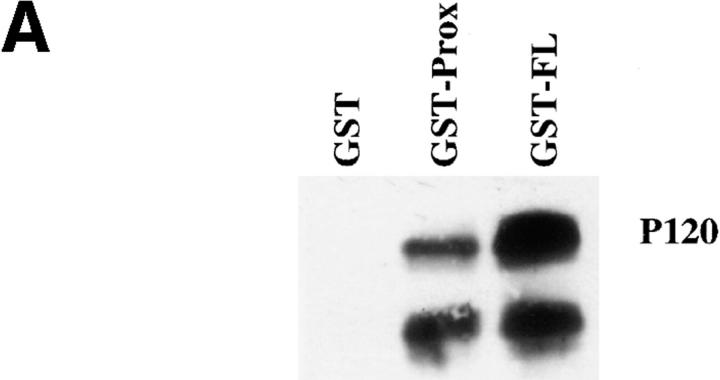
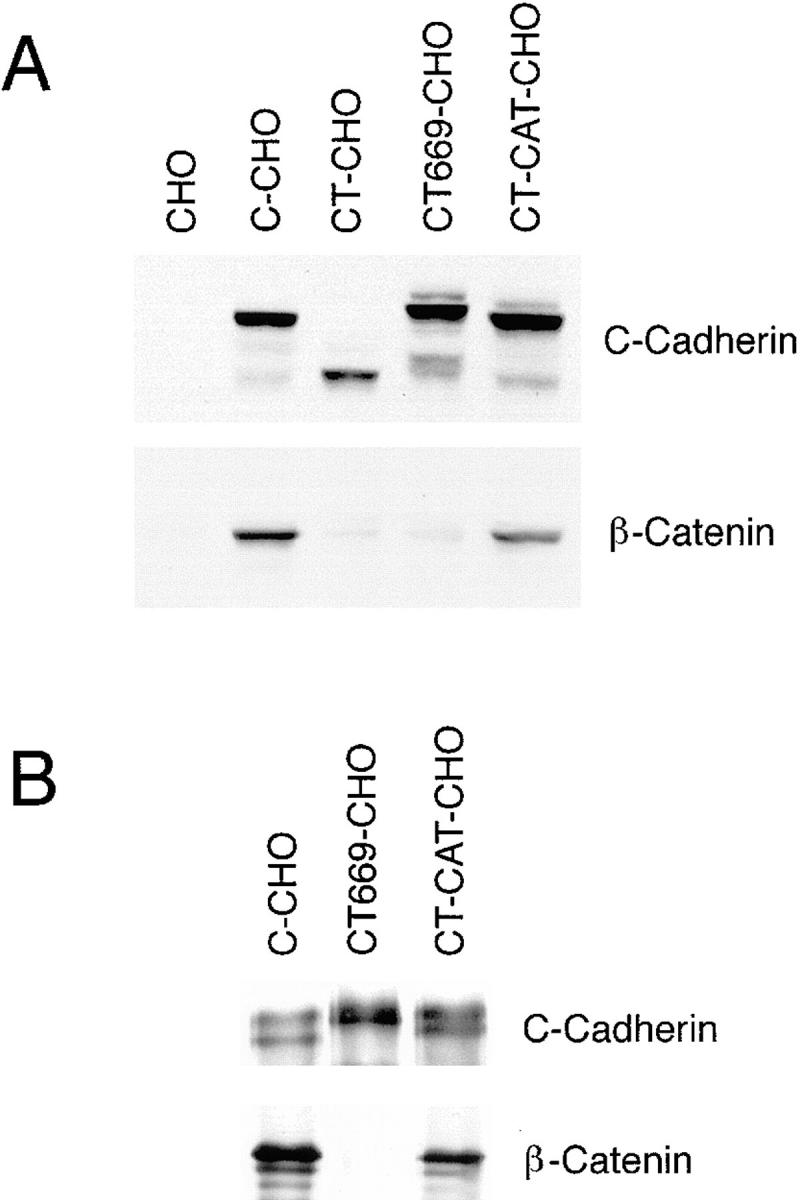
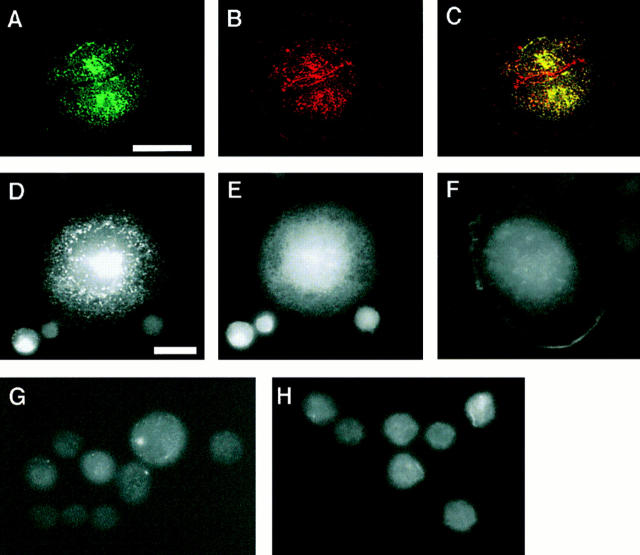
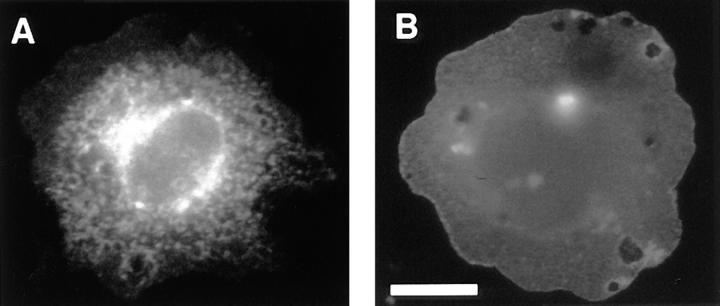
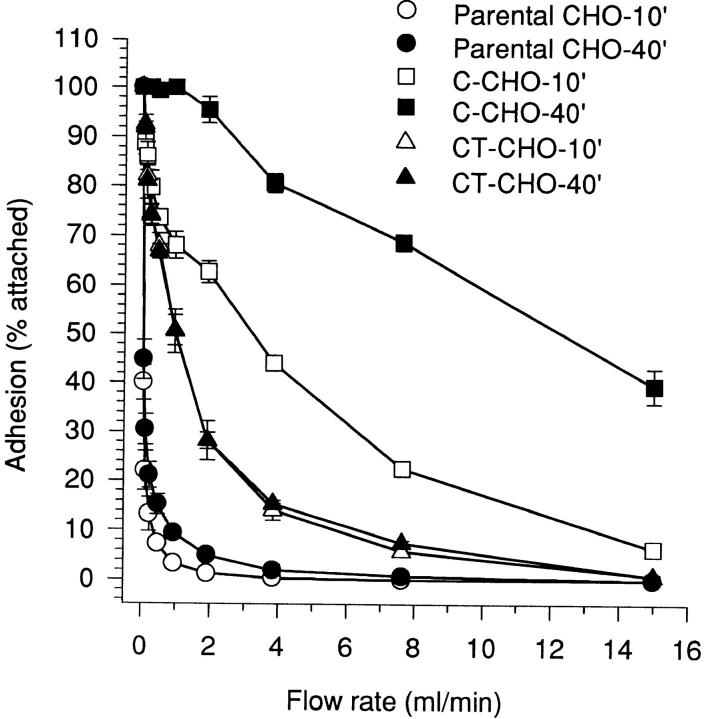
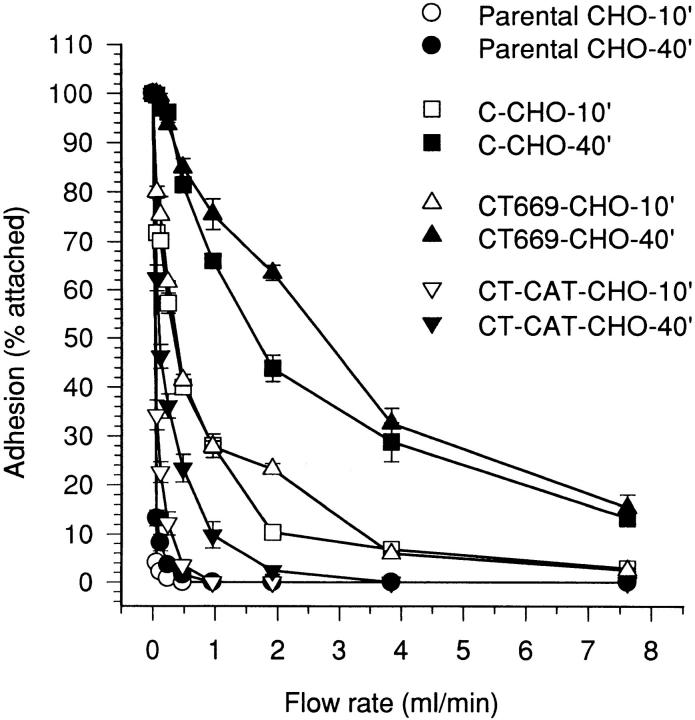
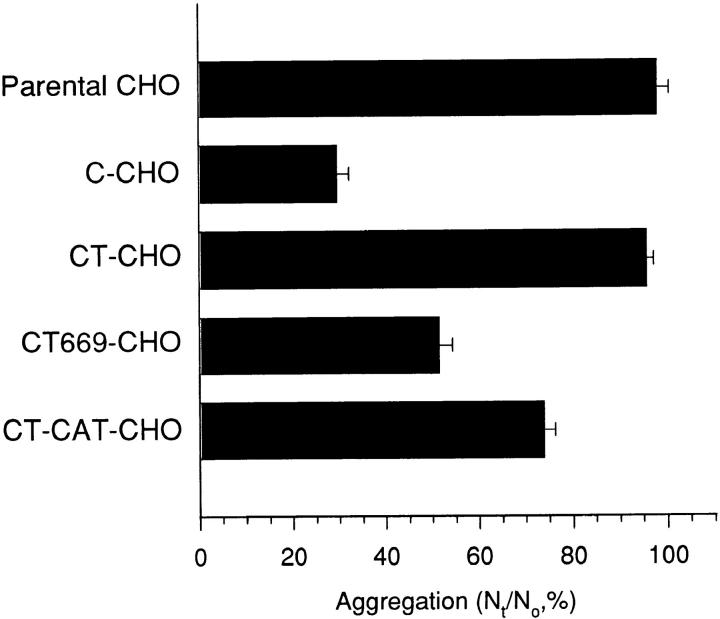
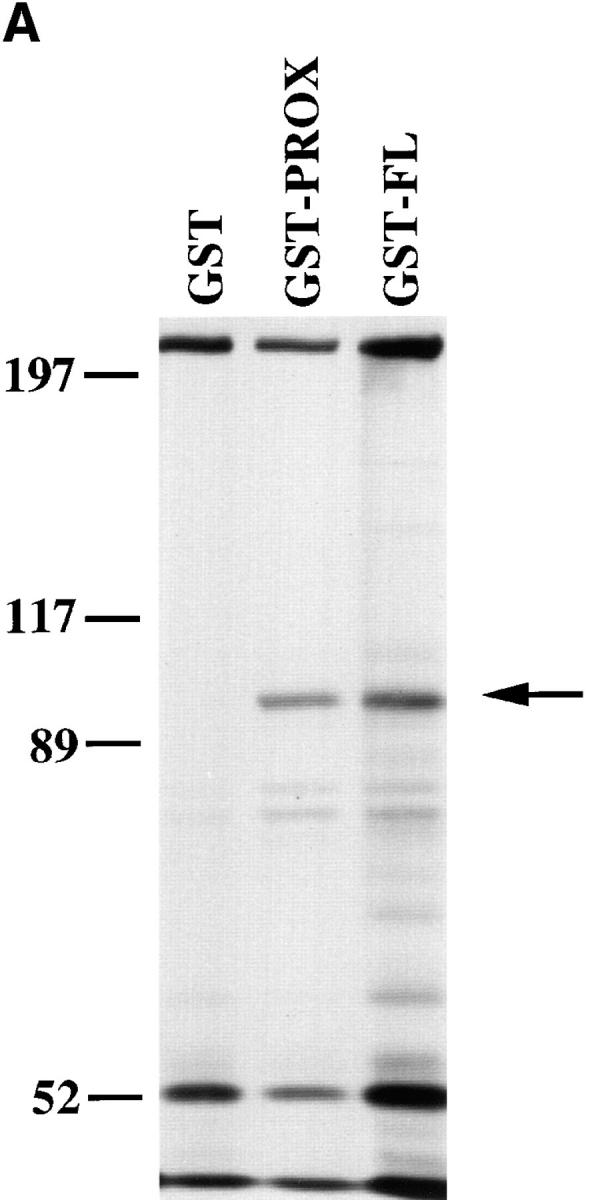
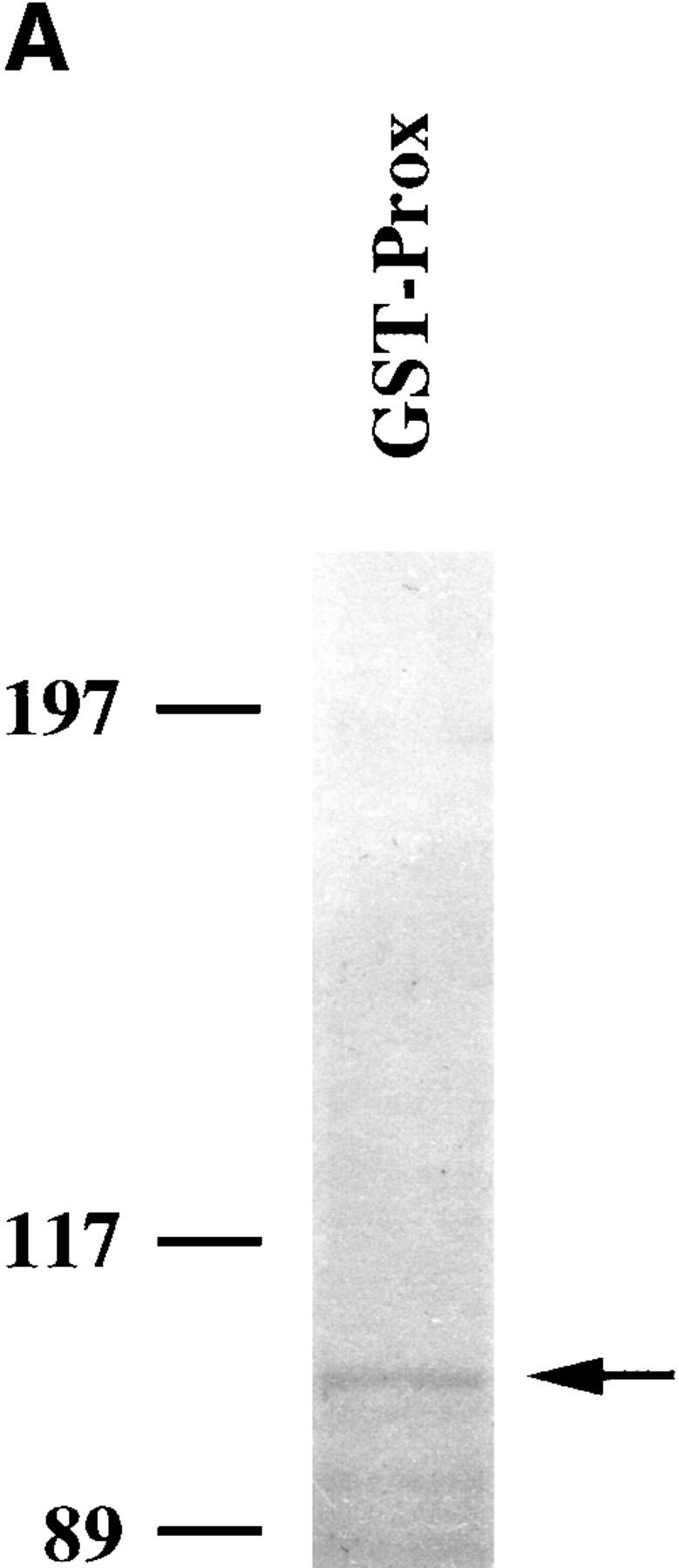
Cadherin cell-cell adhesion molecules form membrane-spanning molecular complexes that couple homophilic binding by the cadherin ectodomain to the actin cytoskeleton. A fundamental issue in cadherin biology is how this complex converts the weak intrinsic binding activity of the ectodomain into strong adhesion. Recently we demonstrated that cellular cadherins cluster in a ligand-dependent fashion when cells attached to substrata coated with the adhesive ectodomain of Xenopus C-cadherin (CEC1-5). Moreover, forced clustering of the ectodomain alone significantly strengthened adhesiveness (Yap, A.S., W.M. Brieher, M. Pruschy, and B.M. Gumbiner. Curr. Biol. 7:308-315). In this study we sought to identify the determinants of the cadherin cytoplasmic tail responsible for clustering activity. A deletion mutant of C-cadherin (CT669) that retained the juxtamembrane 94-amino acid region of the cytoplasmic tail, but not the beta-catenin-binding domain, clustered upon attachment to substrata coated with CEC1-5. Like wild-type C-cadherin, this clustering was ligand dependent. In contrast, mutant molecules lacking either the complete cytoplasmic tail or just the juxtamembrane region did not cluster. The juxtamembrane region was itself sufficient to induce clustering when fused to a heterologous membrane-anchored protein, albeit in a ligand-independent fashion. The CT669 cadherin mutant also displayed significant adhesive activity when tested in laminar flow detachment assays and aggregation assays. Purification of proteins binding to the juxtamembrane region revealed that the major associated protein is p120(ctn). These findings identify the juxtamembrane region of the cadherin cytoplasmic tail as a functionally active region supporting cadherin clustering and adhesive strength and raise the possibility that p120(ctn) is involved in clustering and cell adhesion.
钙黏蛋白细胞间黏附分子形成跨膜分子复合物,该复合物将钙黏蛋白胞外结构域的嗜同性结合与肌动蛋白细胞骨架相连。钙黏蛋白生物学中的一个基本问题是,这种复合物如何将胞外结构域微弱的内在结合活性转化为强大的黏附力。最近我们证明,当细胞附着在包被有非洲爪蟾C-钙黏蛋白(CEC1-5)黏附性胞外结构域的基质上时,细胞钙黏蛋白以配体依赖的方式聚集。此外,仅胞外结构域的强制聚集就显著增强了黏附性(Yap, A.S., W.M. Brieher, M. Pruschy, and B.M. Gumbiner. Curr. Biol. 7:308 - 315)。在本研究中,我们试图确定负责聚集活性的钙黏蛋白细胞质尾部的决定因素。C-钙黏蛋白的一个缺失突变体(CT669)保留了细胞质尾部近膜的94个氨基酸区域,但没有β-连环蛋白结合结构域,当附着在包被有CEC1-5的基质上时会聚集。与野生型C-钙黏蛋白一样,这种聚集是配体依赖的。相比之下,缺失完整细胞质尾部或仅缺失近膜区域的突变分子不会聚集。当与异源膜锚定蛋白融合时,近膜区域本身足以诱导聚集,尽管是以配体非依赖的方式。在层流脱离试验和聚集试验中测试时,CT669钙黏蛋白突变体也表现出显著的黏附活性。与近膜区域结合的蛋白质的纯化显示,主要相关蛋白是p120(ctn)。这些发现确定了钙黏蛋白细胞质尾部的近膜区域是支持钙黏蛋白聚集和黏附强度的功能活性区域,并增加了p120(ctn)参与聚集和细胞黏附的可能性。