Gao Y, Herndon J M, Zhang H, Griffith T S, Ferguson T A
Department of Ophthalmology and Visual Sciences, Washington University School of Medicine, St. Louis, Missouri 63110, USA.
J Exp Med. 1998 Sep 7;188(5):887-96. doi: 10.1084/jem.188.5.887.
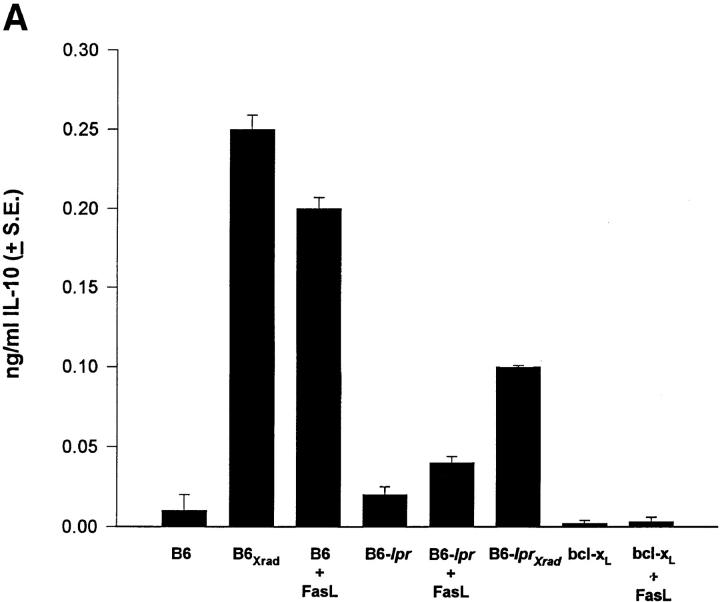
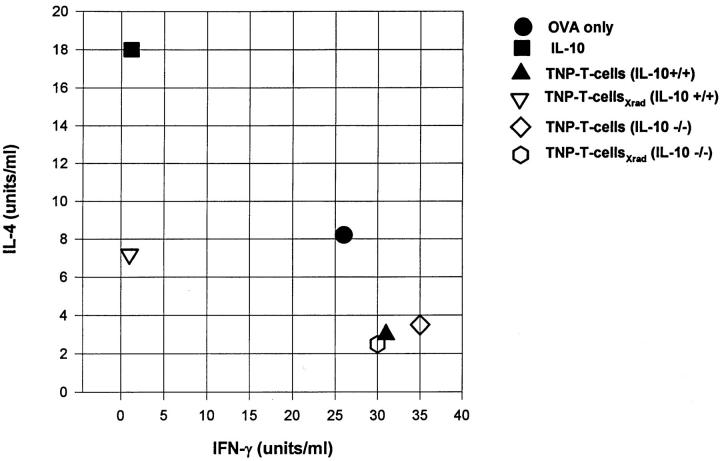
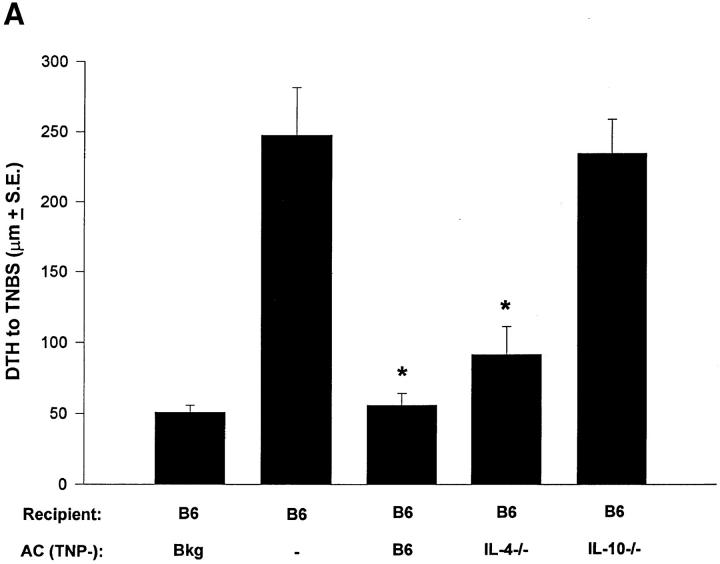
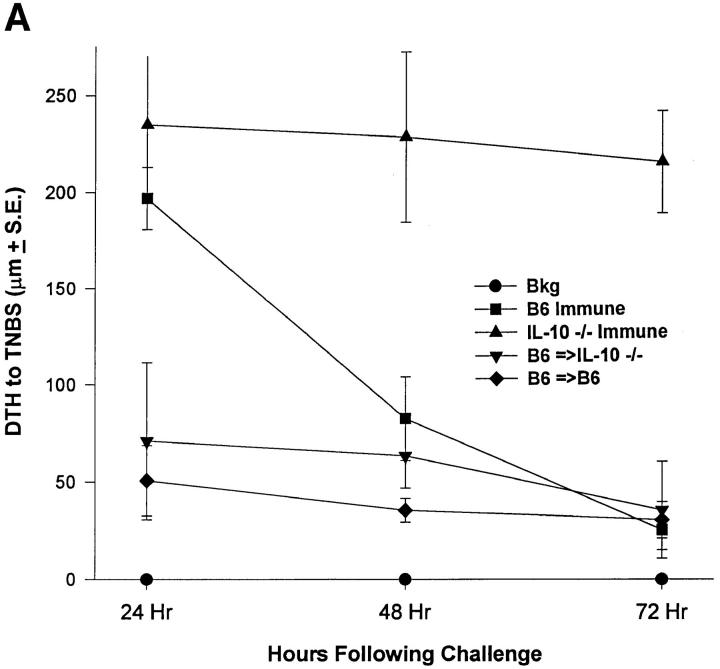
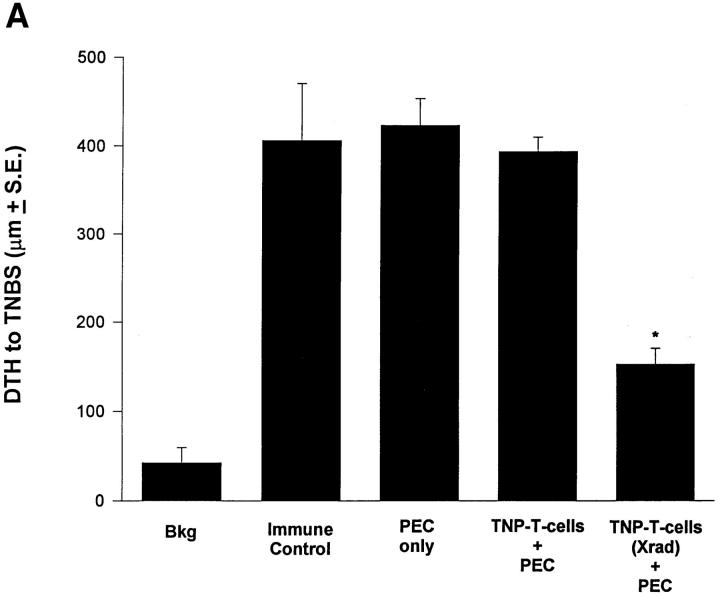
Apoptosis is critical to homeostasis of multicellular organisms. In immune privileged sites such as the eye, CD95 ligand (FasL)-induced apoptosis controls dangerous inflammatory reactions that can cause blindness. Recently, we demonstrated that apoptotic cell death of inflammatory cells was a prerequisite for the induction of immune deviation after antigen presentation in the eye. In this report, we examine the mechanism by which this takes place. Our results show that Fas- mediated apoptosis of lymphoid cells leads to rapid production of interleukin (IL)-10 in these cells. The apoptotic cells containing IL-10 are responsible for the activation of immune deviation through interaction with antigen-presenting cells (APC). In support of this, we found that apoptotic cells from IL-10(+/+) animals fed to APC in vitro promote Th2 cell differentiation, whereas apoptotic IL-10(-/-) cells, as well as nonapoptotic cells, favor Th1 induction. Thus, apoptotic cell death and tolerance are linked through the production of an antiinflammatory cytokine to prevent dangerous and unwanted immune responses that might compromise organ integrity.
细胞凋亡对于多细胞生物体的稳态至关重要。在眼睛等免疫赦免部位,CD95配体(FasL)诱导的细胞凋亡可控制可能导致失明的危险炎症反应。最近,我们证明炎症细胞的凋亡性细胞死亡是眼部抗原呈递后诱导免疫偏离的先决条件。在本报告中,我们研究了这一过程发生的机制。我们的结果表明,Fas介导的淋巴细胞凋亡导致这些细胞中白细胞介素(IL)-10的快速产生。含有IL-10的凋亡细胞通过与抗原呈递细胞(APC)相互作用来激活免疫偏离。为此,我们发现,将来自IL-10(+/+)动物的凋亡细胞体外喂食给APC可促进Th2细胞分化,而凋亡的IL-10(-/-)细胞以及非凋亡细胞则有利于Th1诱导。因此,凋亡性细胞死亡与耐受性通过抗炎细胞因子的产生而联系在一起,以防止可能损害器官完整性的危险且不必要的免疫反应。