Qu Z, Balkir L, van Deutekom J C, Robbins P D, Pruchnic R, Huard J
Department of Orthopedic Surgery, Musculoskeletal Research Center, University of Pittsburgh and Children's Hospital of Pittsburgh, Pittsburgh, Pennsylvania 15261, USA.
J Cell Biol. 1998 Sep 7;142(5):1257-67. doi: 10.1083/jcb.142.5.1257.
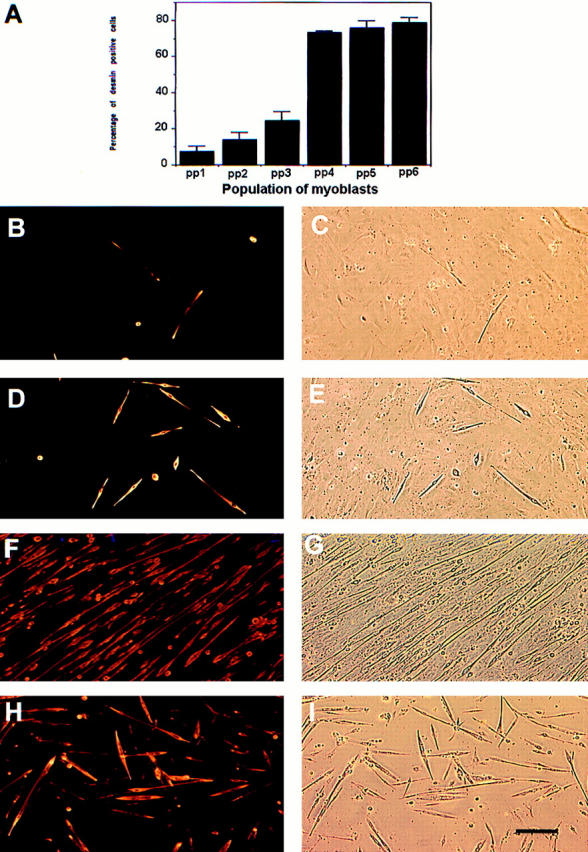
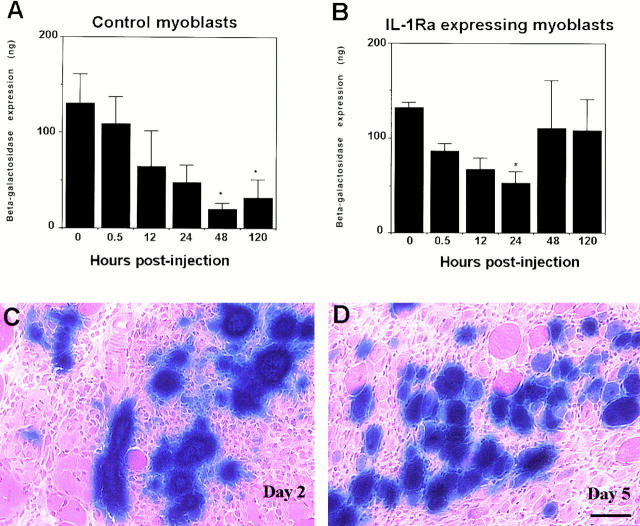
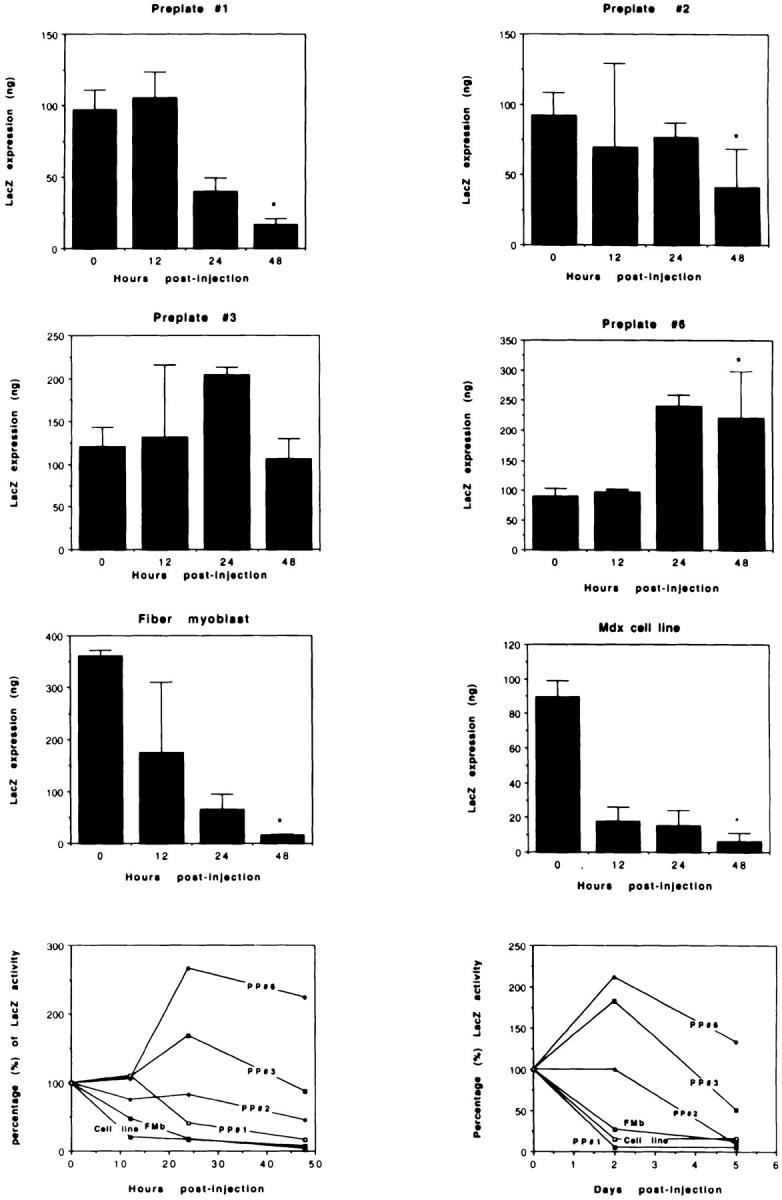
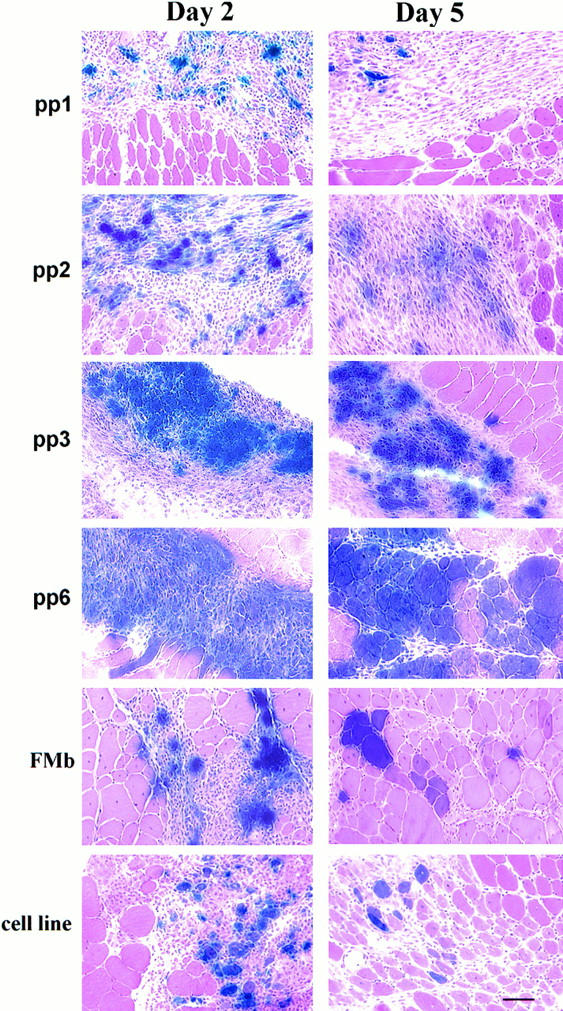
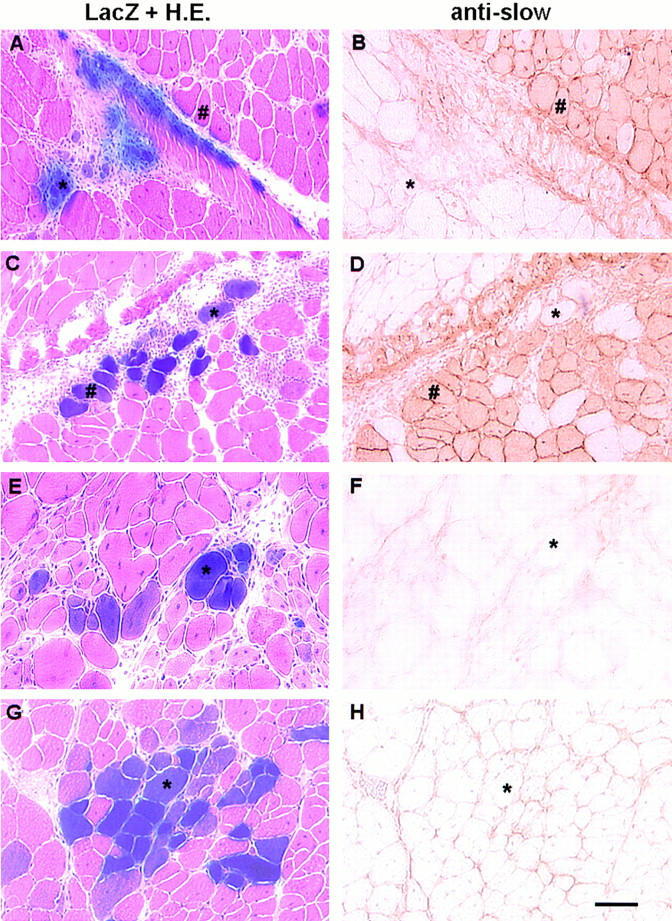
Myoblast transplantation has been extensively studied as a gene complementation approach for genetic diseases such as Duchenne Muscular Dystrophy. This approach has been found capable of delivering dystrophin, the product missing in Duchenne Muscular Dystrophy muscle, and leading to an increase of strength in the dystrophic muscle. This approach, however, has been hindered by numerous limitations, including immunological problems, and low spread and poor survival of the injected myoblasts. We have investigated whether antiinflammatory treatment and use of different populations of skeletal muscle-derived cells may circumvent the poor survival of the injected myoblasts after implantation. We have observed that different populations of muscle-derived cells can be isolated from skeletal muscle based on their desmin immunoreactivity and differentiation capacity. Moreover, these cells acted differently when injected into muscle: 95% of the injected cells in some populations died within 48 h, while others richer in desmin-positive cells survived entirely. Since pure myoblasts obtained from isolated myofibers and myoblast cell lines also displayed a poor survival rate of the injected cells, we have concluded that the differential survival of the populations of muscle-derived cells is not only attributable to their content in desmin-positive cells. We have observed that the origin of the myogenic cells may influence their survival in the injected muscle. Finally, we have observed that myoblasts genetically engineered to express an inhibitor of the inflammatory cytokine, IL-1, can improve the survival rate of the injected myoblasts. Our results suggest that selection of specific muscle-derived cell populations or the control of inflammation can be used as an approach to improve cell survival after both myoblast transplantation and the myoblast-mediated ex vivo gene transfer approach.
成肌细胞移植作为一种针对杜氏肌营养不良等遗传性疾病的基因互补方法,已得到广泛研究。人们发现这种方法能够递送杜氏肌营养不良肌肉中缺失的抗肌萎缩蛋白,并使营养不良的肌肉力量增强。然而,这种方法受到诸多限制,包括免疫问题以及注射的成肌细胞扩散性低和存活率差等。我们研究了抗炎治疗以及使用不同群体的骨骼肌衍生细胞是否可以避免植入后注射的成肌细胞存活率低的问题。我们观察到,根据结蛋白免疫反应性和分化能力,可以从骨骼肌中分离出不同群体的肌肉衍生细胞。此外,将这些细胞注射到肌肉中时,它们的表现有所不同:某些群体中95%的注射细胞在48小时内死亡,而其他富含结蛋白阳性细胞的群体则完全存活。由于从分离的肌纤维和成肌细胞系中获得的纯成肌细胞注射后的存活率也很低,我们得出结论,肌肉衍生细胞群体的不同存活率不仅归因于它们所含结蛋白阳性细胞的数量。我们观察到,生肌细胞的来源可能会影响它们在注射肌肉中的存活率。最后,我们观察到经过基因工程改造以表达炎症细胞因子IL-1抑制剂的成肌细胞可以提高注射的成肌细胞的存活率。我们的结果表明,选择特定的肌肉衍生细胞群体或控制炎症可以作为一种方法,来提高成肌细胞移植和成肌细胞介导的体外基因转移方法后细胞的存活率。