Honda Y, Rogers L, Nakata K, Zhao B Y, Pine R, Nakai Y, Kurosu K, Rom W N, Weiden M
Division of Pulmonary and Critical Care Medicine and Bellevue Chest Service, New York University Medical Center, New York 10016, USA.
J Exp Med. 1998 Oct 5;188(7):1255-65. doi: 10.1084/jem.188.7.1255.
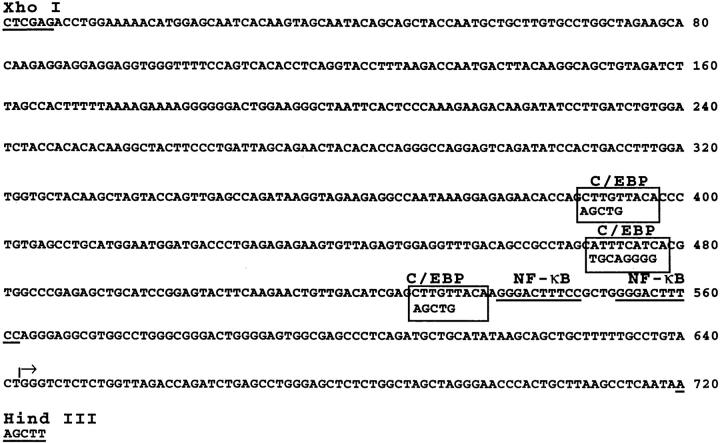
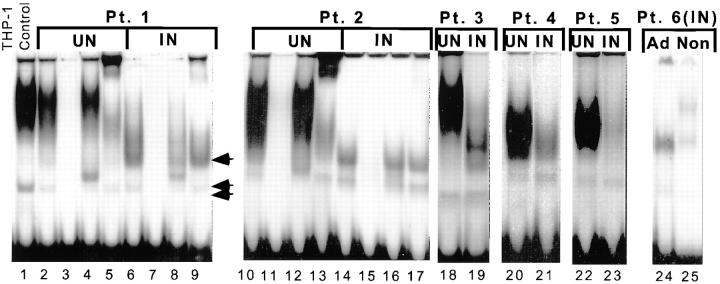
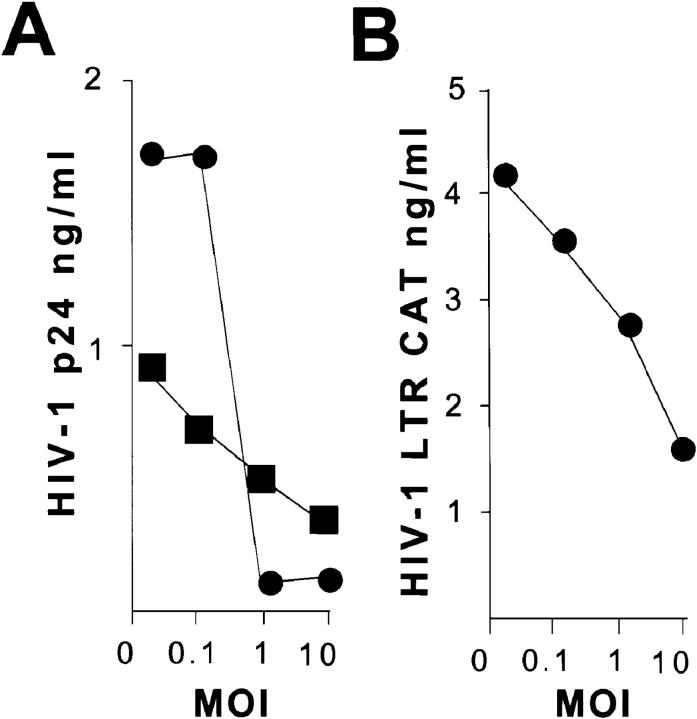
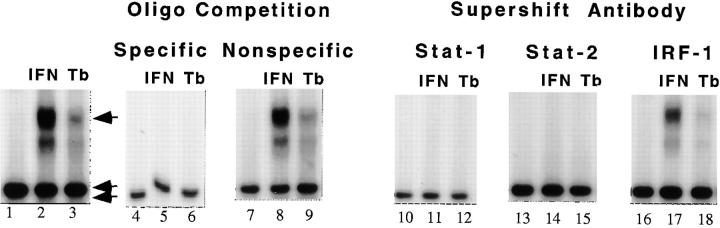
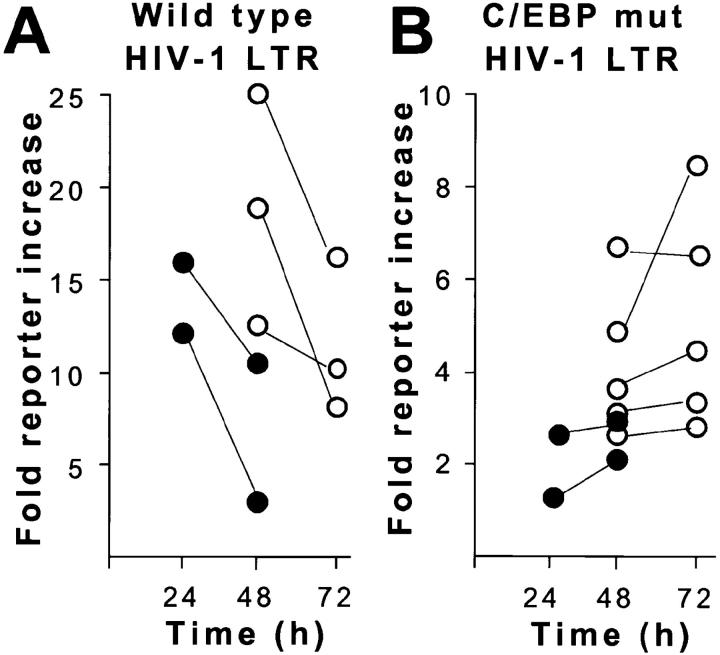
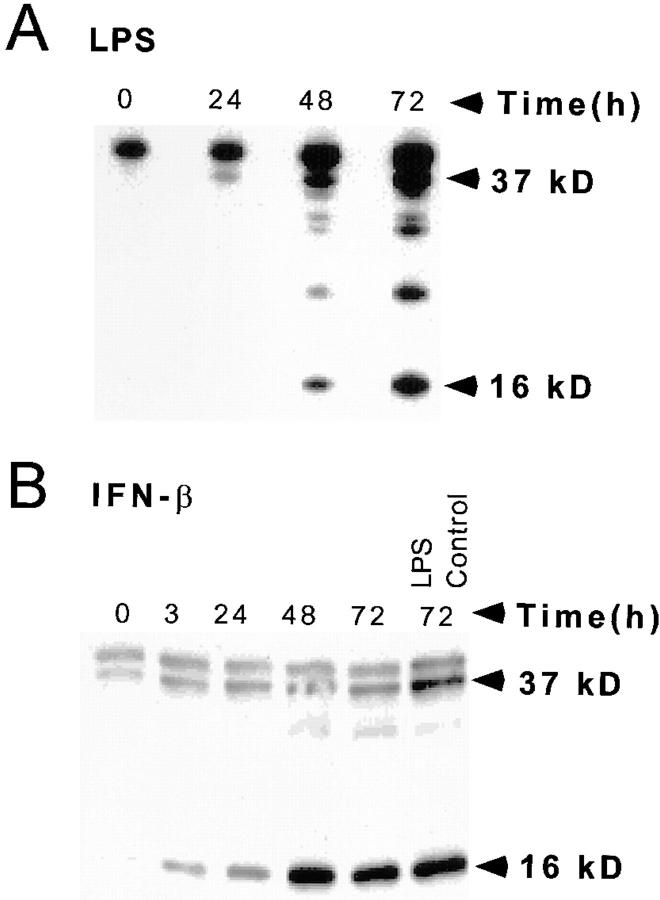
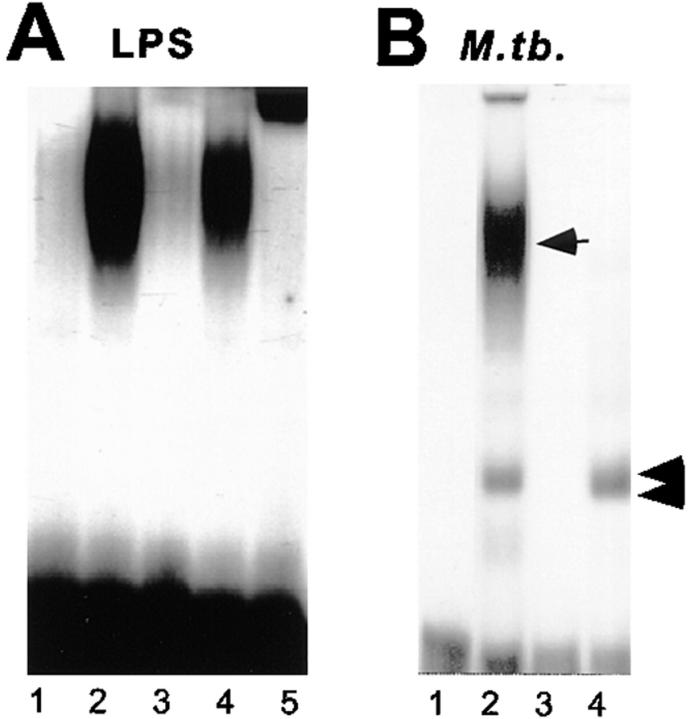
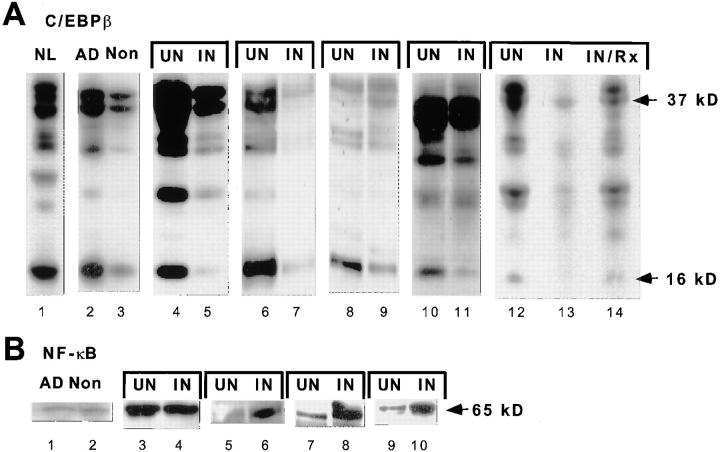
We have previously observed that HIV-1 replication is suppressed in uninflamed lung and increased during tuberculosis. In vitro THP-1 cell-derived macrophages inhibited HIV-1 replication after infection with Mycobacterium tuberculosis. Suppression of HIV-1 replication was associated with inhibition of the HIV-1 long terminal repeat (LTR) and induction of ISGF-3, a type I interferon (IFN)-specific transcription factor. Repression of the HIV-1 LTR required intact CCAAT/enhancer binding protein (C/EBP) sites. THP-1 cell-derived macrophages infected with M. tuberculosis, lipopolysaccharide, or IFN-beta induced the 16-kD inhibitory C/EBPbeta isoform and coincidentally repressed HIV-1 LTR transcription. C/EBPbeta was the predominant C/EBP family member produced in THP-1 macrophages during HIV-1 LTR repression. In vivo, alveolar macrophages from uninflamed lung strongly expressed inhibitory 16-kD C/EBPbeta, but pulmonary tuberculosis abolished inhibitory C/EBPbeta expression and induced a novel C/EBP DNA binding protein. Therefore, in vitro, proinflammatory stimulation produces an IFN response inhibiting viral replication by induction of a C/EBPbeta transcriptional repressor. THP-1 cell-derived macrophages stimulated with type I IFN are similar to alveolar macrophages in the uninflamed lung in vivo. In contrast, the cellular immune response in active pulmonary tuberculosis disrupts this innate immunity, switching C/EBP expression and allowing high level viral replication.
我们之前观察到,HIV-1在未发炎的肺部复制受到抑制,而在结核病期间则会增加。体外实验中,经结核分枝杆菌感染后的THP-1细胞来源的巨噬细胞会抑制HIV-1复制。HIV-1复制的抑制与HIV-1长末端重复序列(LTR)的抑制以及ISGF-3(一种I型干扰素(IFN)特异性转录因子)的诱导有关。HIV-1 LTR的抑制需要完整的CCAAT/增强子结合蛋白(C/EBP)位点。感染结核分枝杆菌、脂多糖或IFN-β的THP-1细胞来源的巨噬细胞会诱导16-kD抑制性C/EBPβ异构体的产生,并同时抑制HIV-1 LTR转录。C/EBPβ是HIV-1 LTR抑制期间THP-1巨噬细胞中产生的主要C/EBP家族成员。在体内,未发炎肺部的肺泡巨噬细胞强烈表达抑制性16-kD C/EBPβ,但肺结核会消除抑制性C/EBPβ的表达,并诱导一种新的C/EBP DNA结合蛋白。因此,在体外,促炎刺激通过诱导C/EBPβ转录抑制因子产生IFN反应来抑制病毒复制。经I型IFN刺激的THP-1细胞来源的巨噬细胞在体内与未发炎肺部的肺泡巨噬细胞相似。相比之下,活动性肺结核中的细胞免疫反应会破坏这种先天免疫,改变C/EBP的表达,从而允许高水平的病毒复制。