Koehnle T J, Brown A
Neuroscience Program, Department of Biological Sciences, Ohio University, Athens, Ohio 45701, USA.
J Cell Biol. 1999 Feb 8;144(3):447-58. doi: 10.1083/jcb.144.3.447.
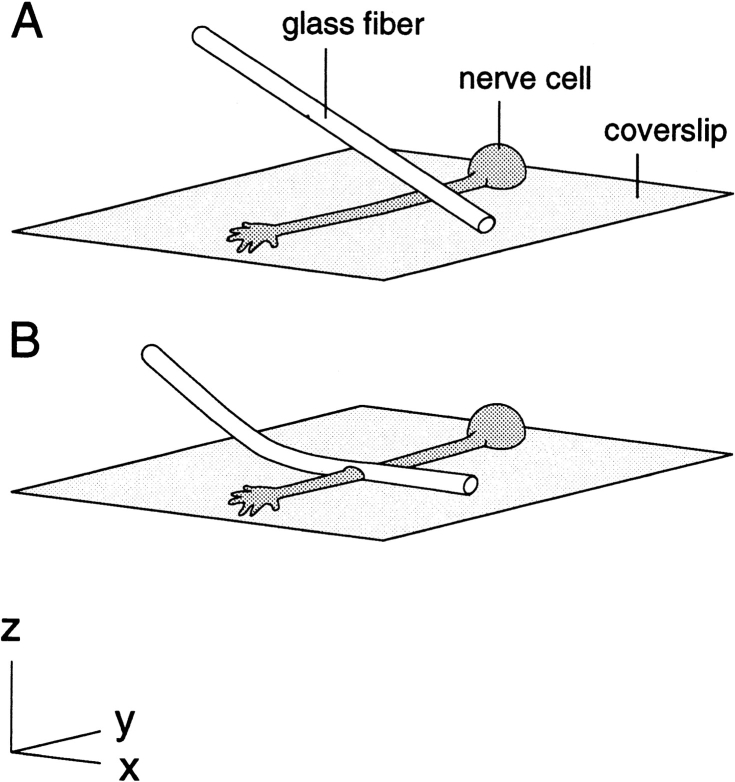
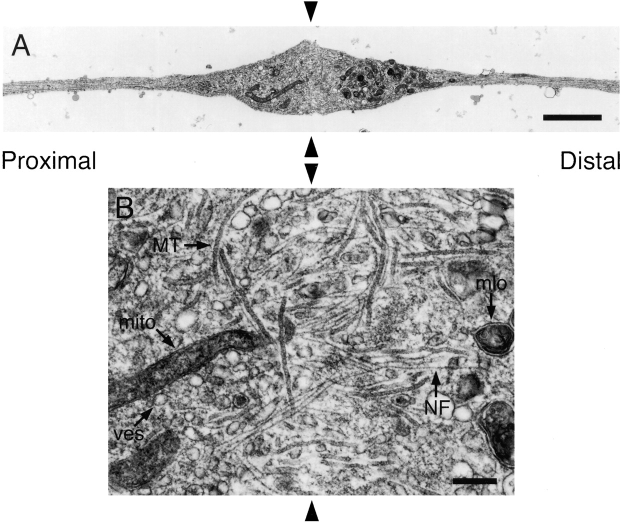
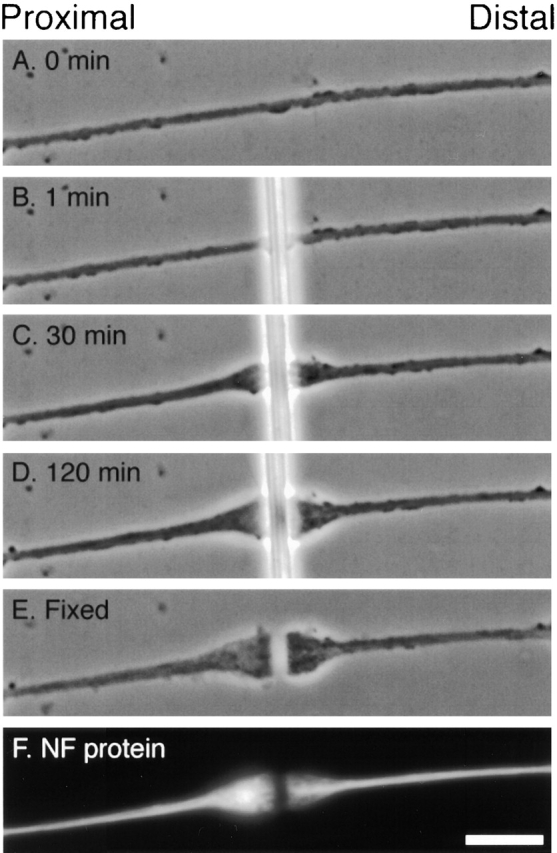
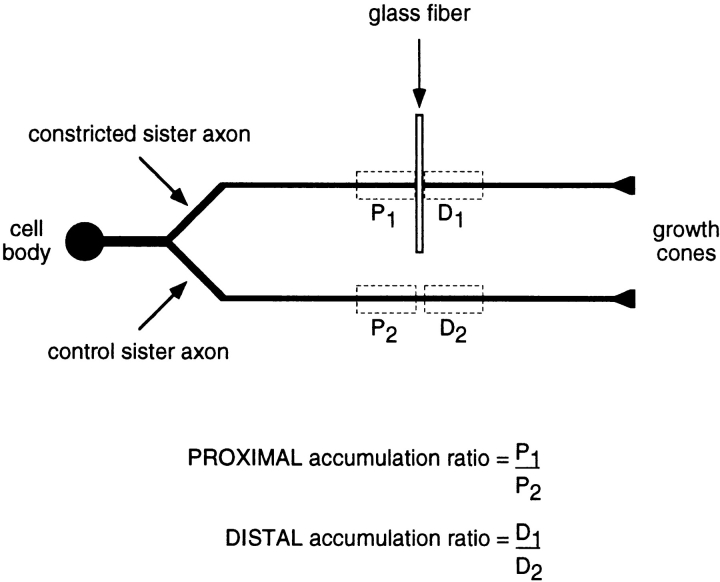
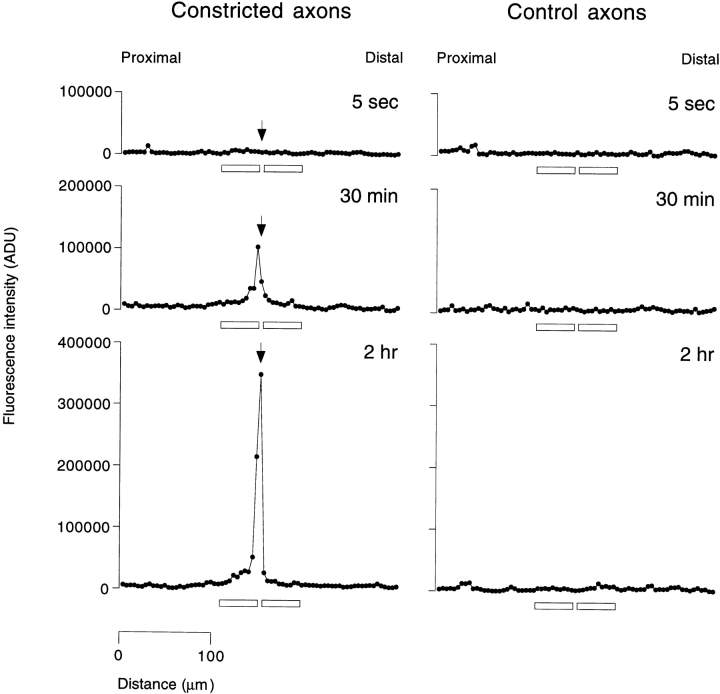
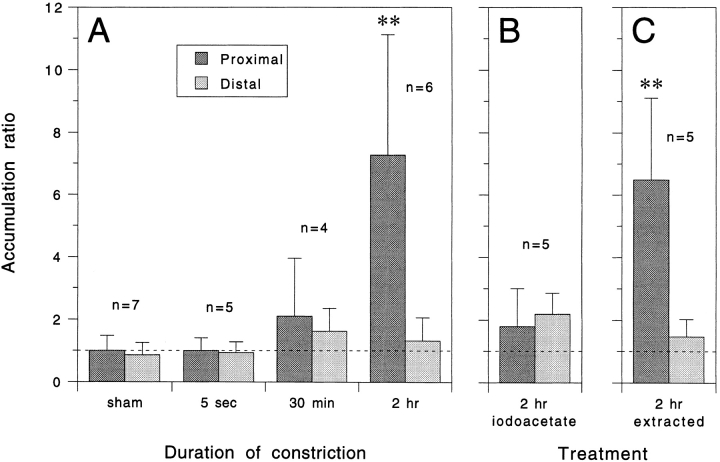
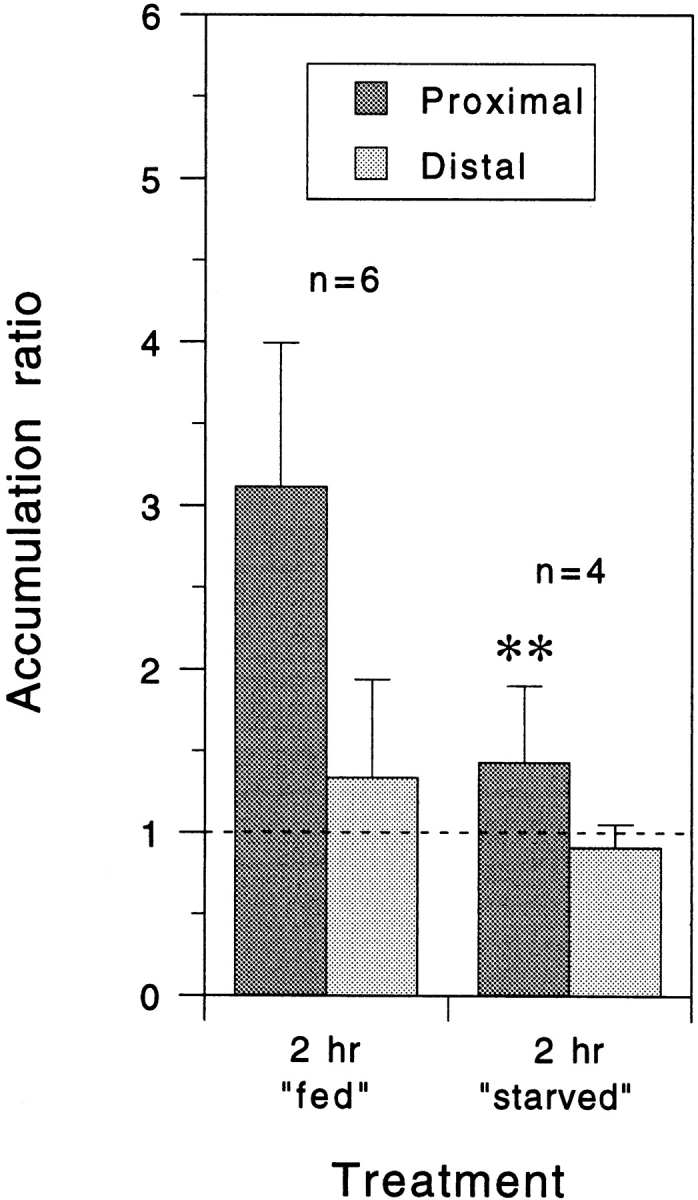
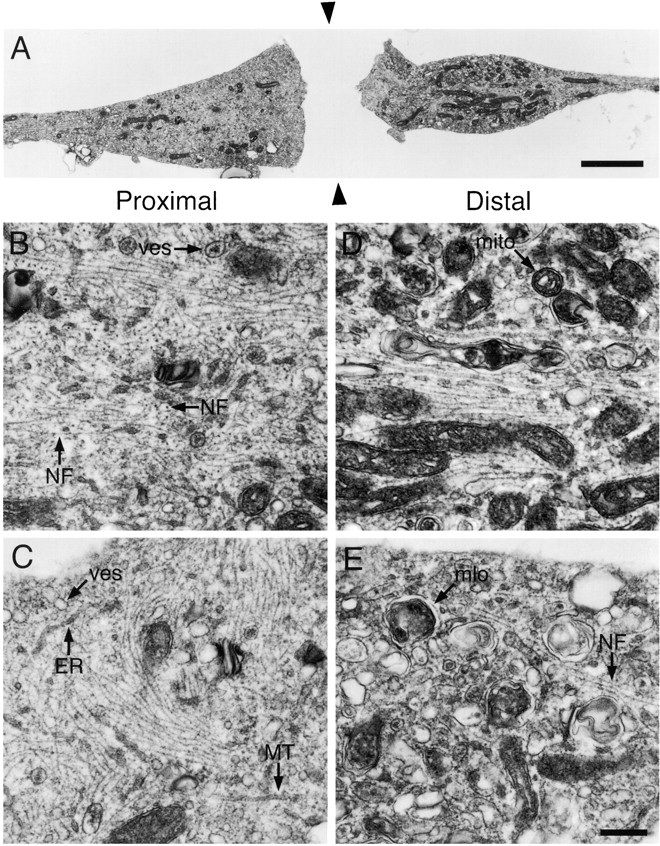
We have investigated the axonal transport of neurofilament protein in cultured neurons by constricting single axons with fine glass fibers. We observed a rapid accumulation of anterogradely and retrogradely transported membranous organelles on both sides of the constrictions and a more gradual accumulation of neurofilament protein proximal to the constrictions. Neurofilament protein accumulation was dependent on the presence of metabolic substrates and was blocked by iodoacetate, which is an inhibitor of glycolysis. These data indicate that neurofilament protein moves anterogradely in these axons by a mechanism that is directly or indirectly dependent on nucleoside triphosphates. The average transport rate was estimated to be at least 130 micrometer/h (3.1 mm/d), and approximately 90% of the accumulated neurofilament protein remained in the axon after detergent extraction, suggesting that it was present in a polymerized form. Electron microscopy demonstrated that there were an abnormally large number of neurofilament polymers proximal to the constrictions. These data suggest that the neurofilament proteins were transported either as assembled polymers or in a nonpolymeric form that assembled locally at the site of accumulation. This study represents the first demonstration of the axonal transport of neurofilament protein in cultured neurons.
我们通过用细玻璃纤维束紧单根轴突,研究了培养神经元中神经丝蛋白的轴突运输。我们观察到,在束紧部位两侧,顺行和逆行运输的膜性细胞器迅速积累,而在束紧部位近端,神经丝蛋白的积累则较为缓慢。神经丝蛋白的积累依赖于代谢底物的存在,并被碘乙酸(一种糖酵解抑制剂)所阻断。这些数据表明,神经丝蛋白在这些轴突中通过一种直接或间接依赖于三磷酸核苷的机制顺行移动。平均运输速率估计至少为130微米/小时(3.1毫米/天),在用去污剂提取后,约90%积累的神经丝蛋白仍保留在轴突中,这表明它以聚合形式存在。电子显微镜显示,在束紧部位近端有异常大量的神经丝聚合物。这些数据表明,神经丝蛋白要么以组装好的聚合物形式运输,要么以在积累部位局部组装的非聚合物形式运输。这项研究首次证明了培养神经元中神经丝蛋白的轴突运输。