Adams I R, Kilmartin J V
MRC Laboratory of Molecular Biology, Cambridge CB2 2QH, United Kingdom.
J Cell Biol. 1999 May 17;145(4):809-23. doi: 10.1083/jcb.145.4.809.
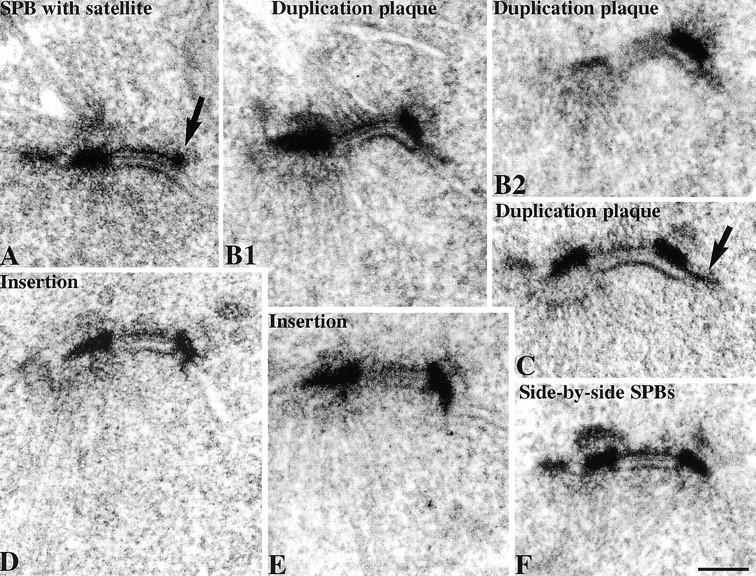
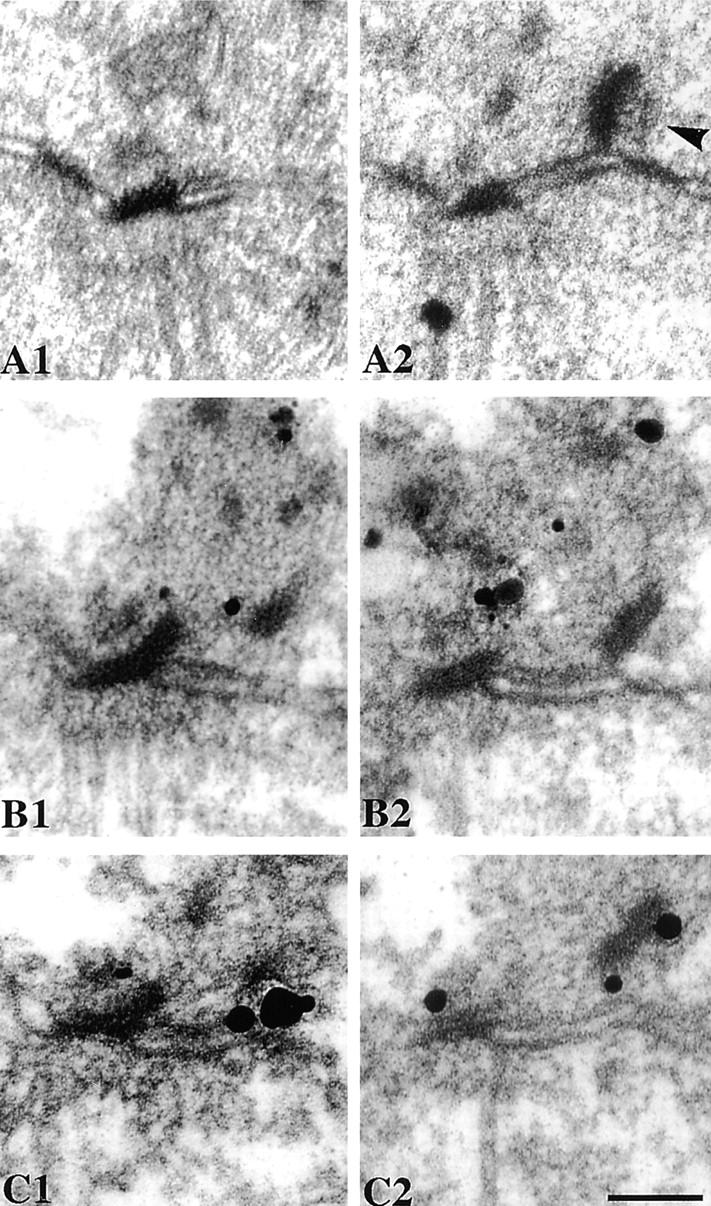
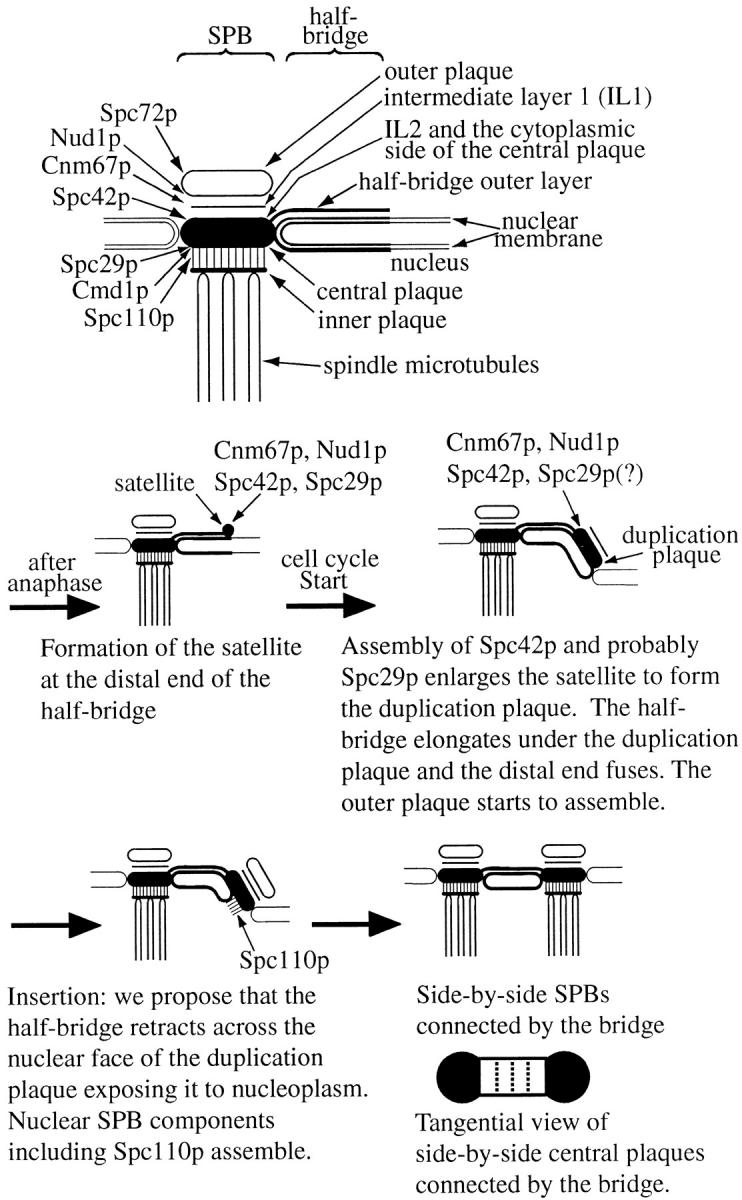
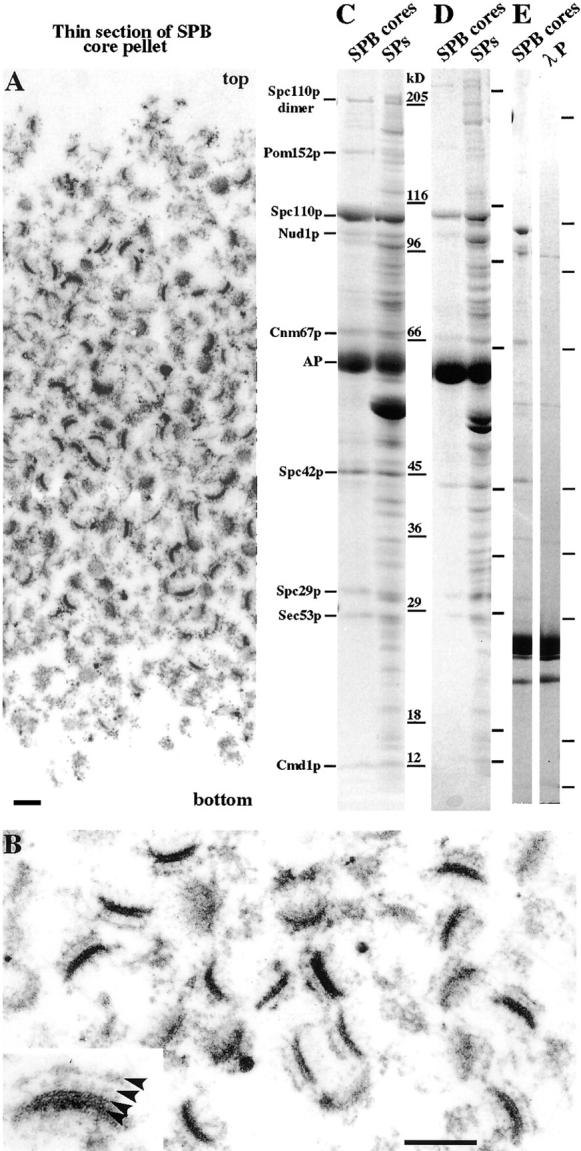
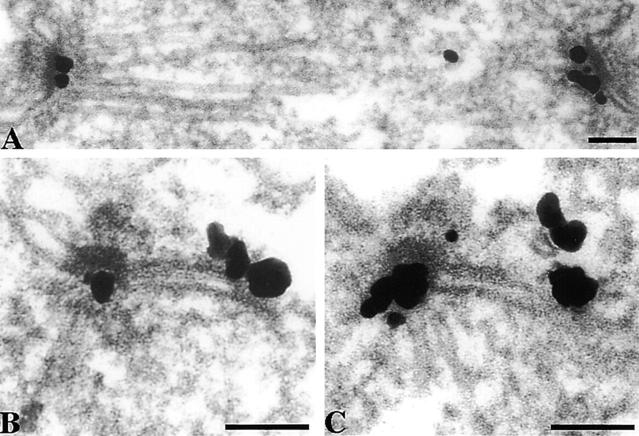
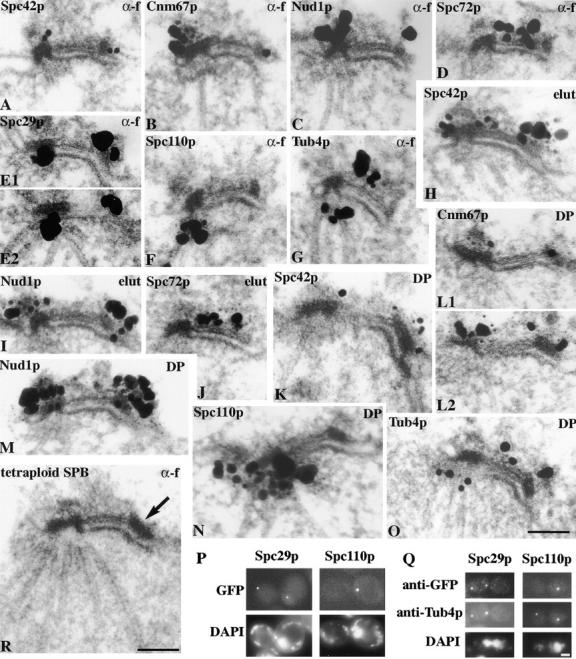
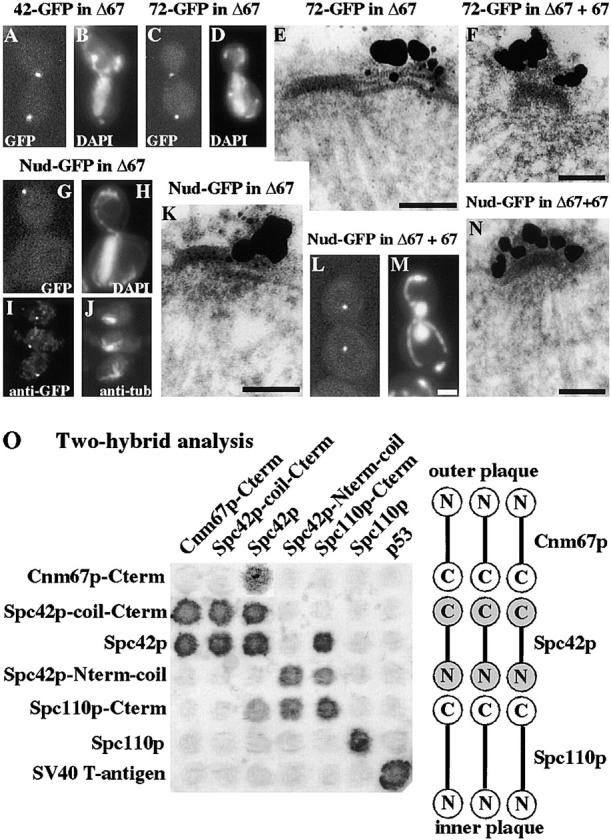
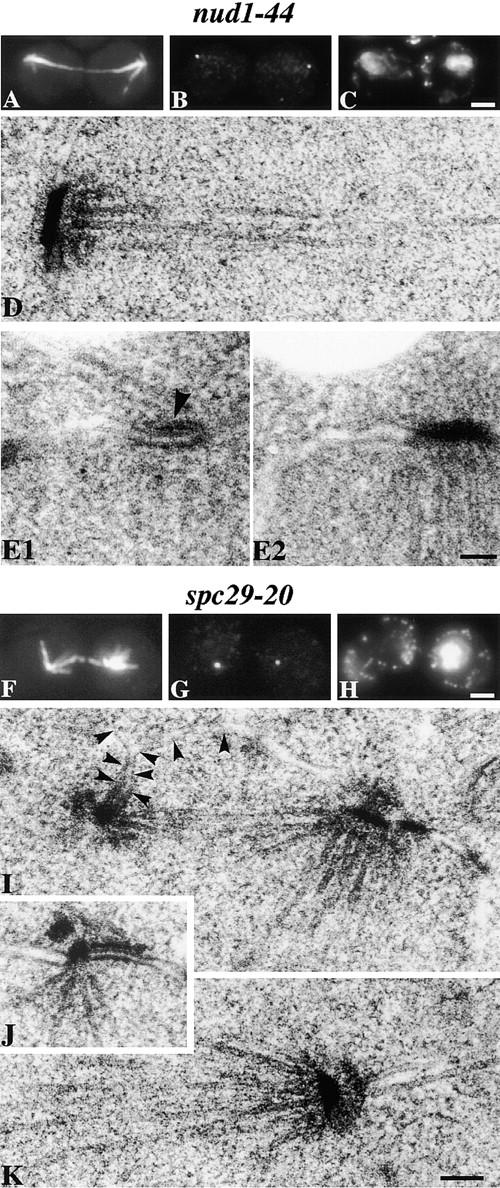
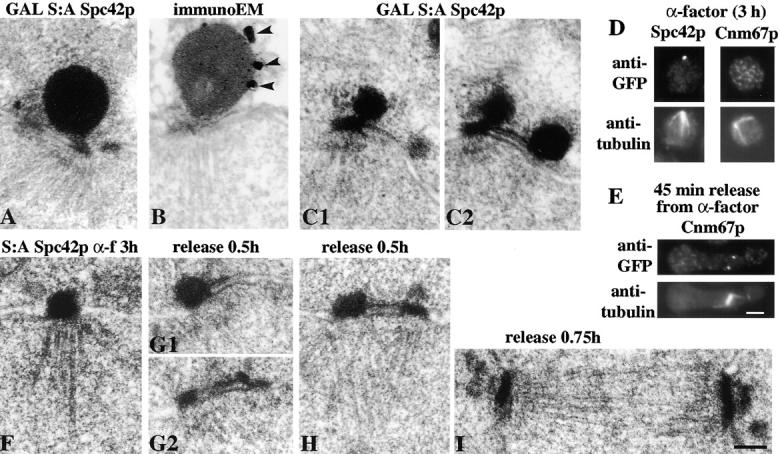
We have examined the process of spindle pole body (SPB) duplication in Saccharomyces cerevisiae by electron microscopy and found several stages. These include the assembly, probably from the satellite, of a large plaque-like structure, the duplication plaque, on the cytoplasmic face of the half-bridge and its insertion into the nuclear envelope. We analyzed the role of the main SPB components in the formation of these structures by identifying them from an SPB core fraction by mass spectrometry. Temperature-sensitive mutants for two of the components, Spc29p and Nud1p, were prepared to partly define their function. The composition of two of the intermediates in SPB duplication, the satellite and the duplication plaque, was examined by immunoelectron microscopy. Both contain cytoplasmic SPB components showing that duplication has already been partly achieved by the end of the preceding cell cycle when the satellite is formed. We show that by overexpression of SPB components the structure of the satellite can be changed and SPB duplication inhibited by disrupting the attachment of the plaque-like intermediate to the half-bridge. We present a model for SPB duplication where binding of SPB components to either end of the bridge structure ensures two separate SPBs.
我们通过电子显微镜检查了酿酒酵母中纺锤极体(SPB)的复制过程,并发现了几个阶段。这些阶段包括在半桥的细胞质面上可能从卫星组装形成一个大的斑块状结构,即复制斑块,以及它插入核膜。我们通过质谱从SPB核心组分中鉴定出主要的SPB组分,分析了它们在这些结构形成中的作用。制备了两种组分Spc29p和Nud1p的温度敏感突变体,以部分确定它们的功能。通过免疫电子显微镜检查了SPB复制过程中两个中间体,即卫星和复制斑块的组成。两者都含有细胞质SPB组分,这表明在卫星形成时,即前一个细胞周期结束时,复制已经部分完成。我们表明,通过过表达SPB组分,可以改变卫星的结构,并通过破坏斑块状中间体与半桥的附着来抑制SPB复制。我们提出了一个SPB复制模型,其中SPB组分与桥结构的两端结合确保了两个独立的SPB。