O'Donnell B F, McCarley R W, Potts G F, Salisbury D F, Nestor P G, Hirayasu Y, Niznikiewicz M A, Barnard J, Shen Z J, Weinstein D M, Bookstein F L, Shenton M E
Department of Psychiatry, Harvard Medical School, Brockton, MA, USA.
Psychophysiology. 1999 May;36(3):388-98. doi: 10.1017/s0048577299971688.
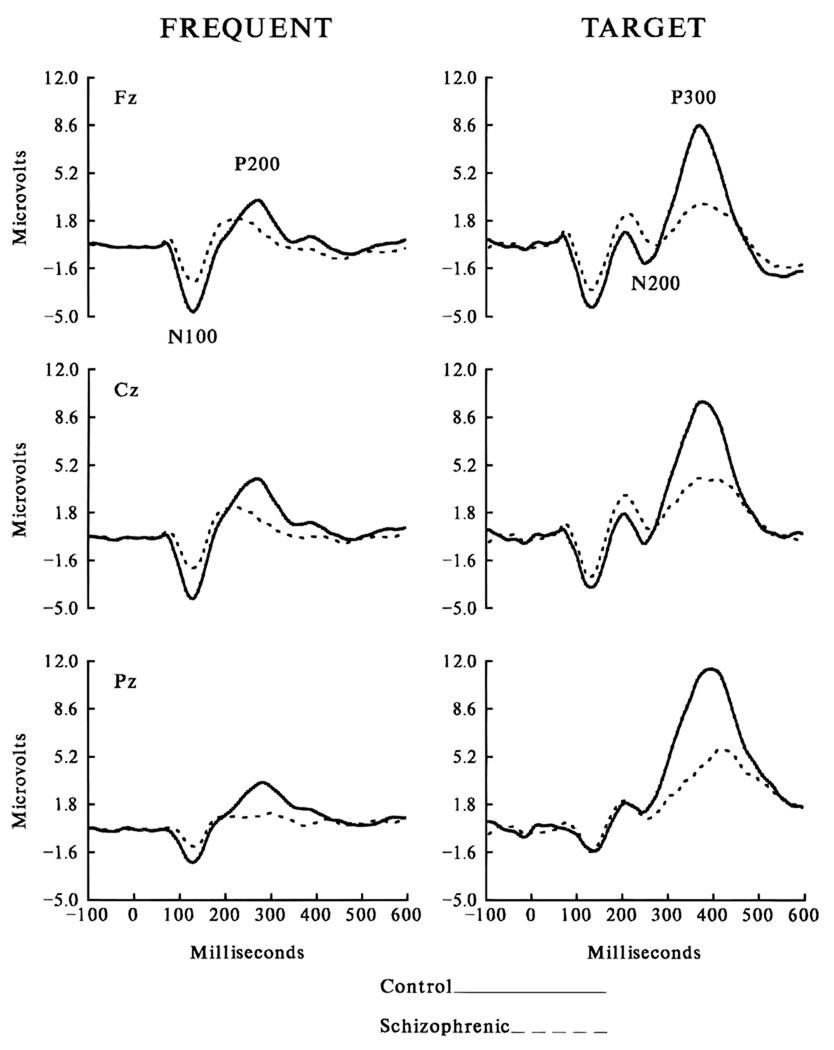
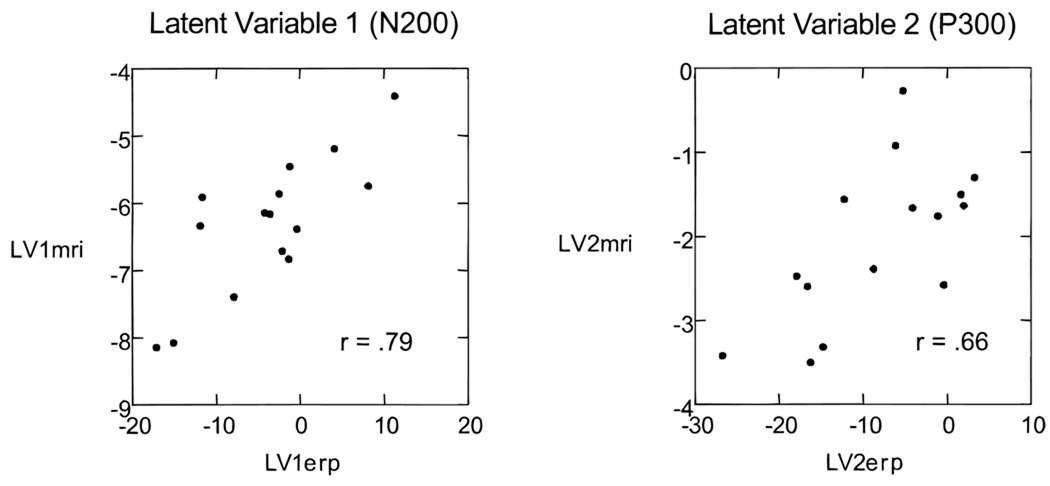
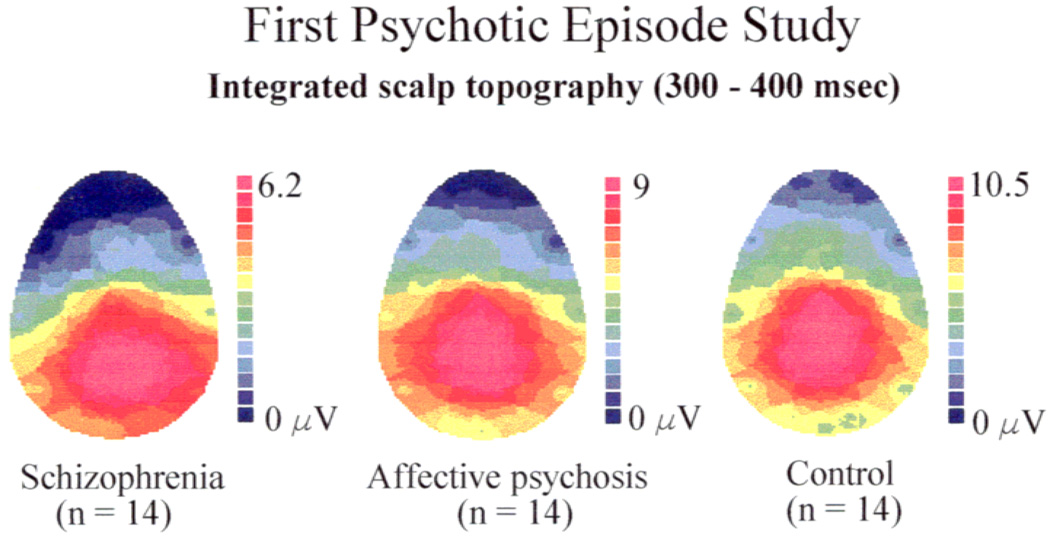
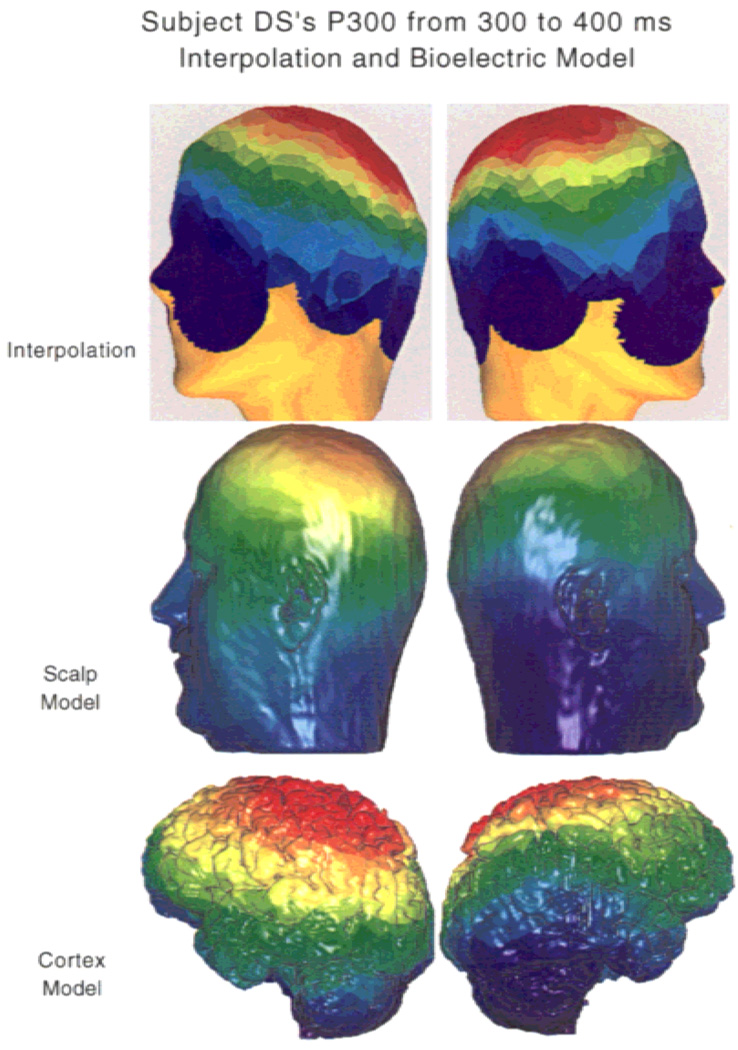
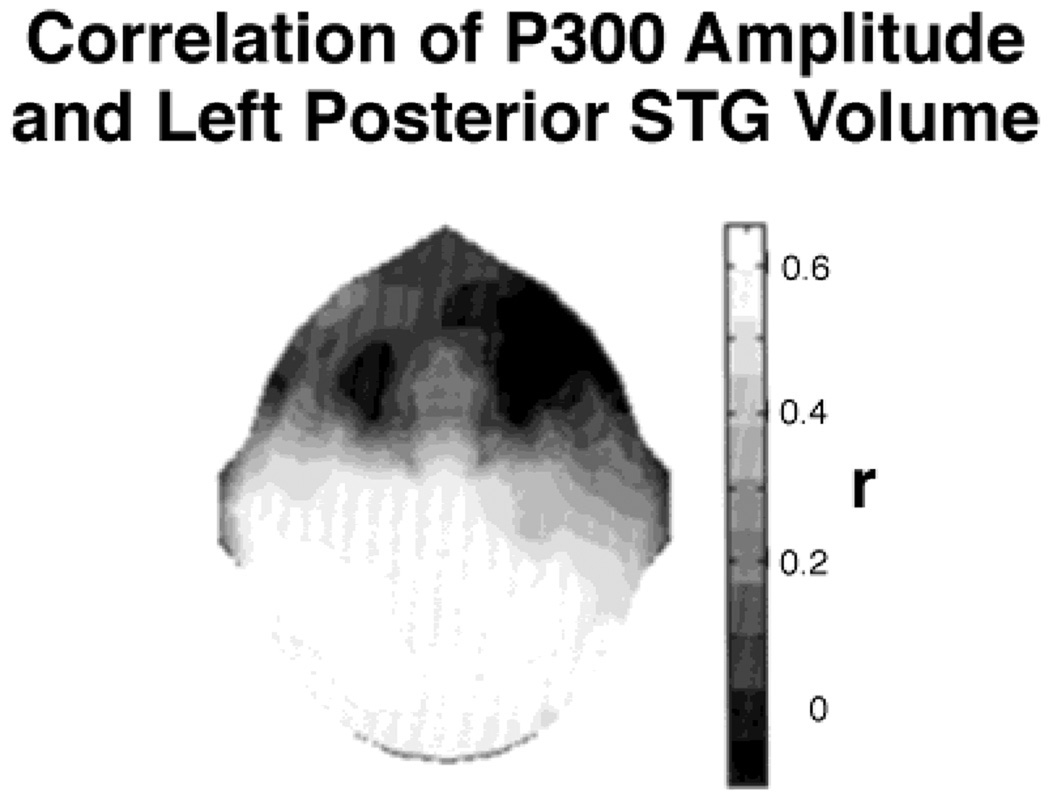
Event-related potentials (ERPs) provide a noninvasive method to evaluate neural activation and cognitive processes in schizophrenia. The pathophysiological significance of these findings would be greatly enhanced if scalp-recorded ERP abnormalities could be related to specific neural circuits and/or regions of the brain. Using quantitative approaches in which scalp-recorded ERP components are correlated with underlying neuroanatomy in schizophrenia, we focused on biophysical and statistical procedures (partial least squares) to relate the auditory P300 component to anatomic measures obtained from quantitative magnetic resonance imaging. These findings are consistent with other evidence that temporal lobe structures contribute to the generation of the scalp-recorded P300 component and that P300 amplitude asymmetry over temporal recording sites on the scalp may reflect anatomic asymmetries in the volume of the superior temporal gyrus in schizophrenia.
事件相关电位(ERP)为评估精神分裂症患者的神经激活和认知过程提供了一种非侵入性方法。如果头皮记录的ERP异常能够与特定神经回路和/或脑区相关联,那么这些发现的病理生理学意义将得到极大增强。我们采用定量方法,将精神分裂症患者头皮记录的ERP成分与潜在神经解剖结构相关联,并着重运用生物物理和统计程序(偏最小二乘法),将听觉P300成分与通过定量磁共振成像获得的解剖学测量结果相关联。这些发现与其他证据一致,即颞叶结构有助于头皮记录的P300成分的产生,且头皮上颞叶记录部位的P300波幅不对称可能反映了精神分裂症患者颞上回体积的解剖学不对称。