Aliberti Julio, Serhan Charles, Sher Alan
Immunobiology Section, Laboratory of Parasitic Diseases, National Institute of Allergy and Infectious Diseases (NIAID), National Institutes of Health (NIH), Bethesda, MD 20892, USA.
J Exp Med. 2002 Nov 4;196(9):1253-62. doi: 10.1084/jem.20021183.
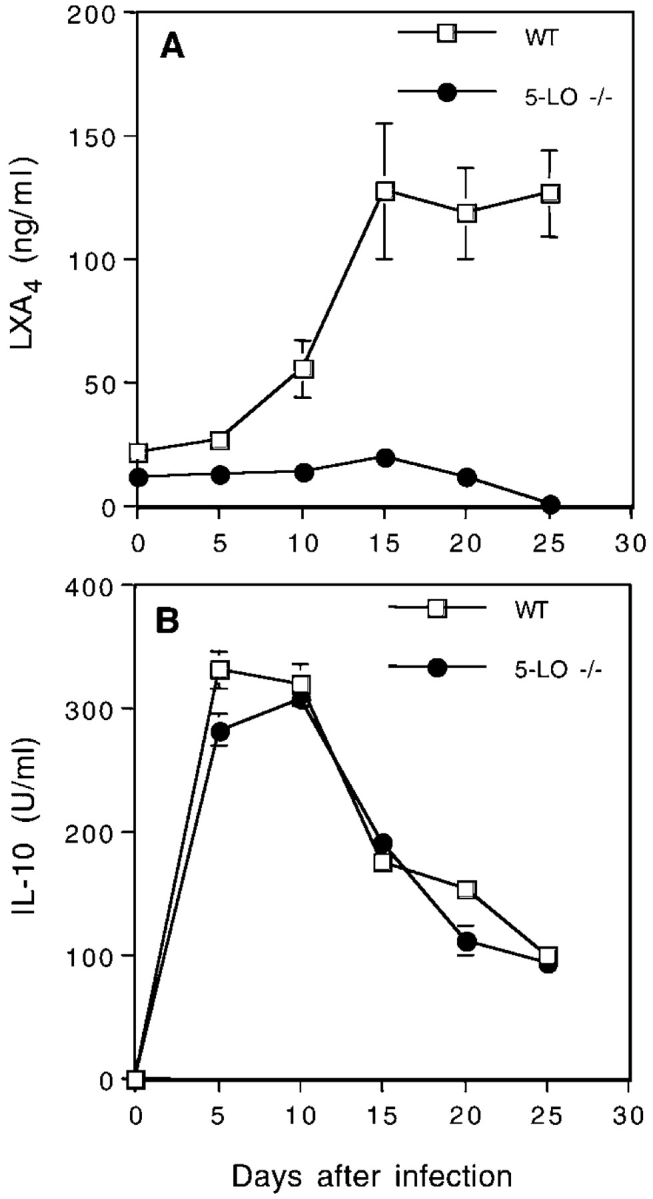
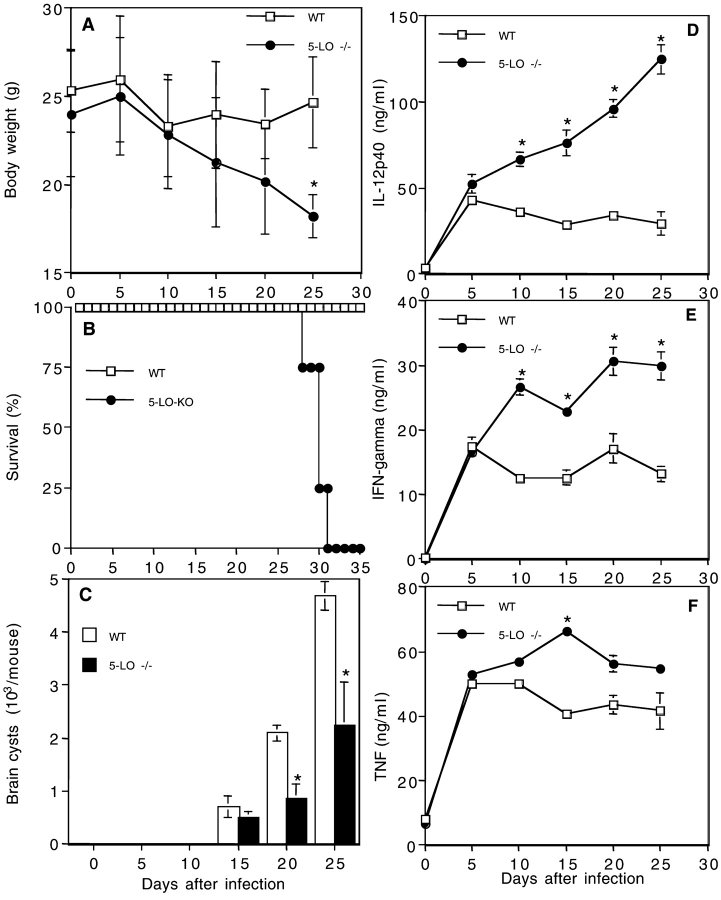
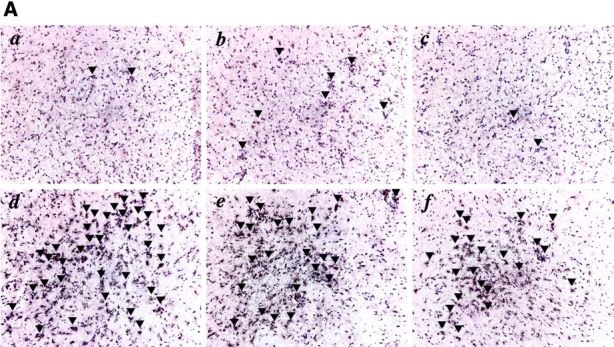
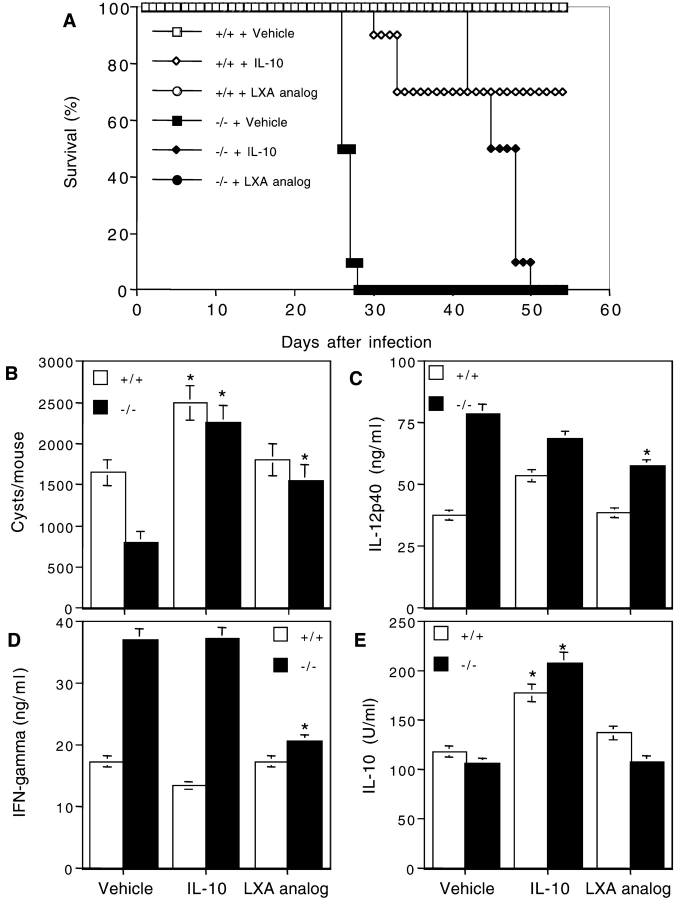
The production of interleukin (IL)-12 is critical for the development of interferon (IFN)-gamma-dependent resistance to Toxoplasma gondii. Nevertheless, when this response is dysregulated, such as occurs in the absence of IL-10, the uncontrolled inflammation that results can have lethal consequences for the host. Recently, we demonstrated that lipoxin (LX)A(4), an eicosanoid mediator that depends on 5-lipoxygenase (LO) for its biosynthesis, exerts a regulatory role on dendritic cell IL-12 production triggered artificially by a T. gondii extract. We now formally establish the physiological relevance of this pathway in the systemic control of IL-12 production induced by live T. gondii infection and demonstrate its function to be distinct from that of IL-10. Thus, T. gondii-exposed wild-type, but not 5-LO-deficient animals, produced high levels of serum LXA(4) beginning at the onset of chronic infection. Moreover, 5-LO(-/-), in contrast to wild-type mice, succumbed during the same period displaying a marked encephalitis. The increased mortality of the 5-LO(-/-) animals was also associated with significant elevations of IL-12 and IFN-gamma and was completely prevented by the administration of a stable LXA(4) analogue. Together, these findings demonstrate a new pathway involving the induction of host LXs for the in vivo regulation of proinflammatory responses during microbial infection.
白细胞介素(IL)-12的产生对于干扰素(IFN)-γ依赖性抗刚地弓形虫的发展至关重要。然而,当这种反应失调时,例如在缺乏IL-10的情况下发生,所导致的不受控制的炎症会对宿主产生致命后果。最近,我们证明脂氧素(LX)A4,一种生物合成依赖于5-脂氧合酶(LO)的类花生酸介质,对由弓形虫提取物人工触发的树突状细胞IL-12产生发挥调节作用。我们现在正式确立了该途径在由活的弓形虫感染诱导的IL-12产生的全身控制中的生理相关性,并证明其功能不同于IL-10。因此,暴露于弓形虫的野生型动物而非5-LO缺陷动物,从慢性感染开始就产生高水平的血清LXA4。此外,与野生型小鼠相比,5-LO(-/-)小鼠在同一时期死亡,表现出明显的脑炎。5-LO(-/-)动物死亡率的增加也与IL-12和IFN-γ的显著升高有关,并且通过给予稳定的LXA4类似物可完全预防。总之,这些发现证明了一条涉及诱导宿主LXs以在微生物感染期间体内调节促炎反应的新途径。