
恩(a-)型人类红细胞的膜变化。主要红细胞唾液酸糖蛋白的缺失。
The membrane change in En(a-) human erythrocytes. Absence of the major erythrocyte sialoglycoprotein.
作者信息
Tanner M J, Anstee D J
出版信息
Biochem J. 1976 Feb 1;153(2):271-7. doi: 10.1042/bj1530271.
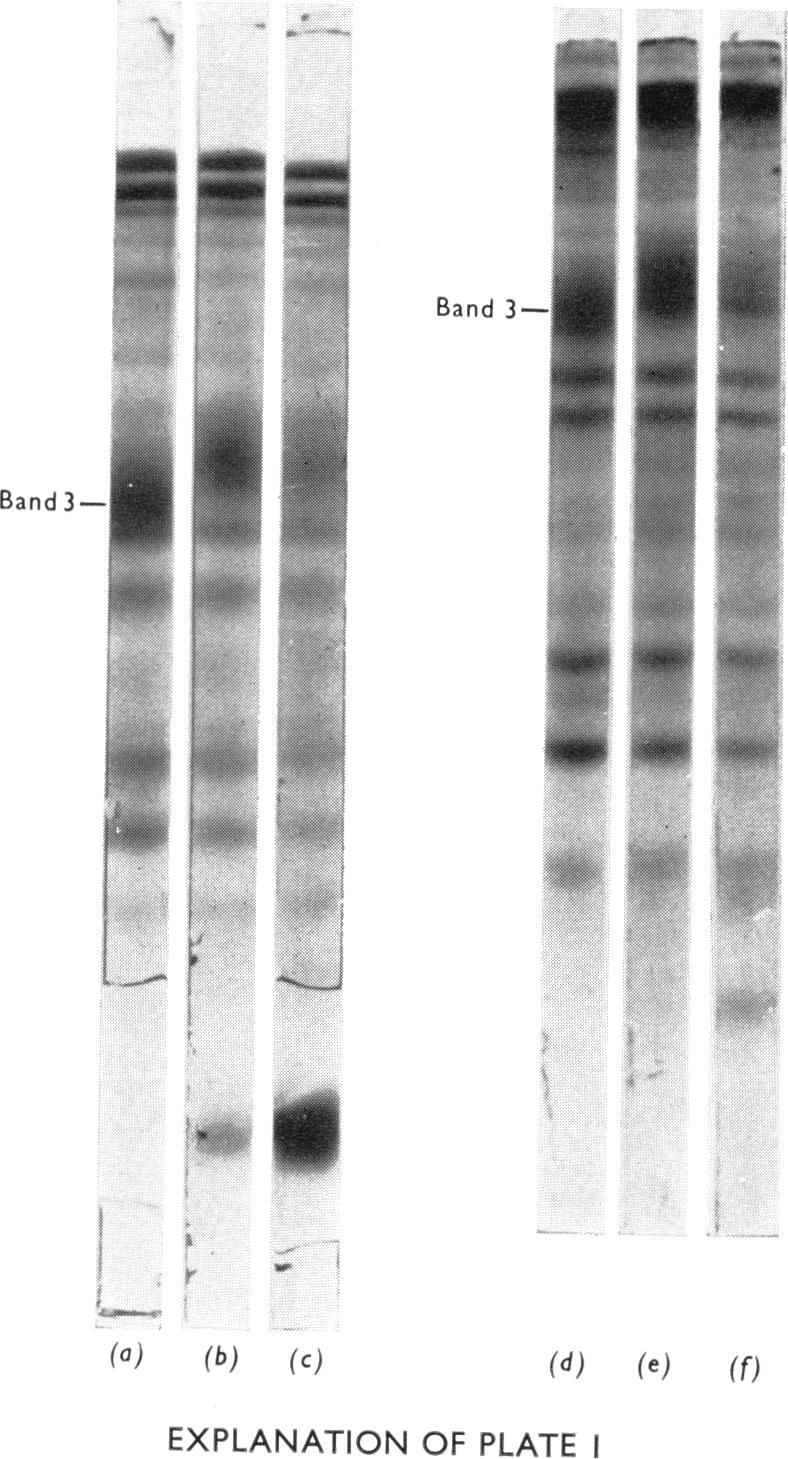
We investigated the membrane of En(a-) human erythrocytes as part of a study of the structure and biochemical function of the surface glycoproteins of the mammalian cell. 2. En(a-) erythrocytes were selected because they have more extensive changes at the cell surface than any other known erythrocyte variant. 3. Our results show that in En(a-) erythrocytes: (a) the major membrane sialoglycoprotein is lacking; (b) the other major membrane-penetrating glycoprotein (band 3) has an altered electrophoretic mobility. 4. The apparent clinical normality of En(a-) cells suggests that the change in band 3 may compensate for the loss of the membrane sialoglycoproteins. It is clear that a viable erythrocyte can exist despite the absence of one of its major surface components.
作为对哺乳动物细胞表面糖蛋白结构和生化功能研究的一部分,我们对恩(a-)型人类红细胞膜进行了研究。2. 选择恩(a-)型红细胞是因为它们在细胞表面的变化比任何其他已知的红细胞变体都更广泛。3. 我们的结果表明,在恩(a-)型红细胞中:(a)主要的膜唾液酸糖蛋白缺失;(b)另一种主要的膜穿透糖蛋白(带3)的电泳迁移率发生了改变。4. 恩(a-)型细胞表面看似正常的临床现象表明,带3的变化可能弥补了膜唾液酸糖蛋白的缺失。显然,即使缺少一种主要的表面成分,有活力的红细胞也能存在。

 Zotero 插件