Soulet Denis, Rivest Serge
Laboratory of Molecular Endocrinology, CHUL Research Center, Laval University, Quebec, Canada G1V 4G2.
J Cell Biol. 2003 Jul 21;162(2):257-68. doi: 10.1083/jcb.200301097. Epub 2003 Jul 14.
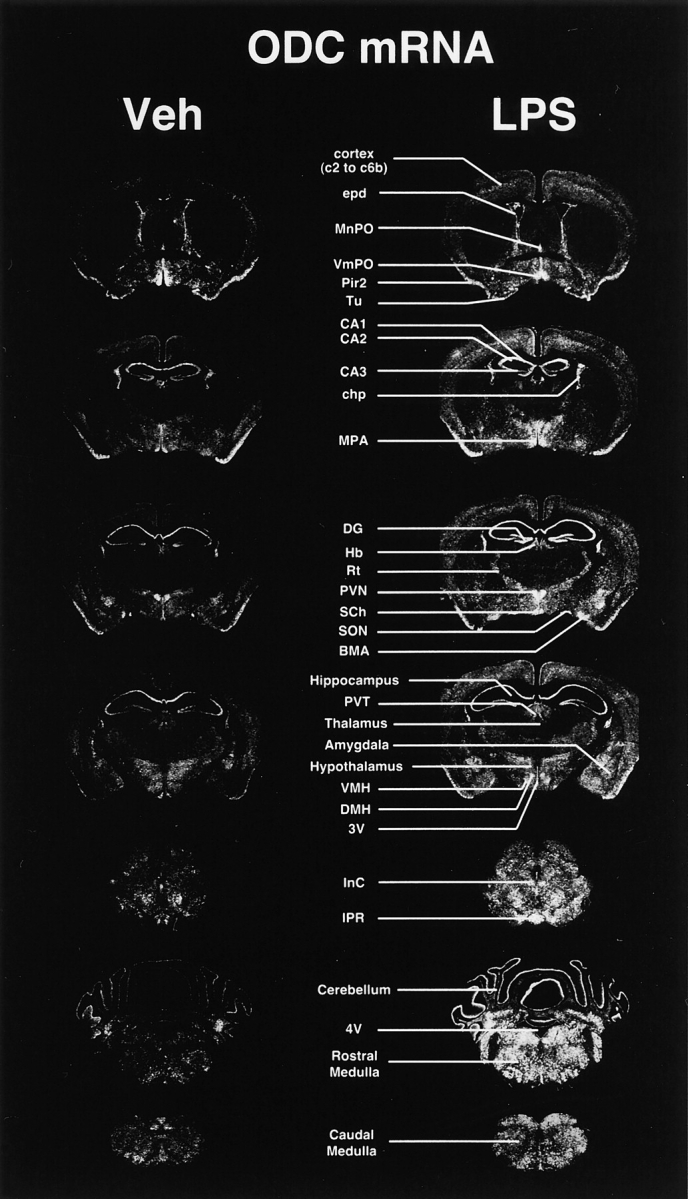
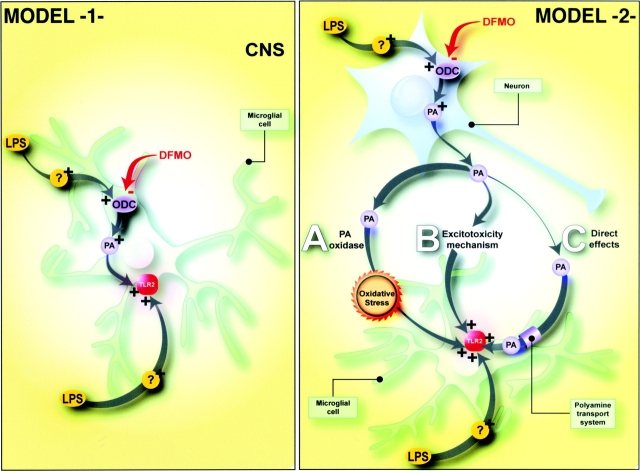
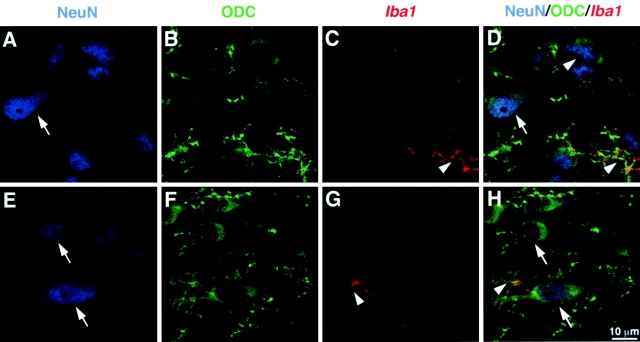
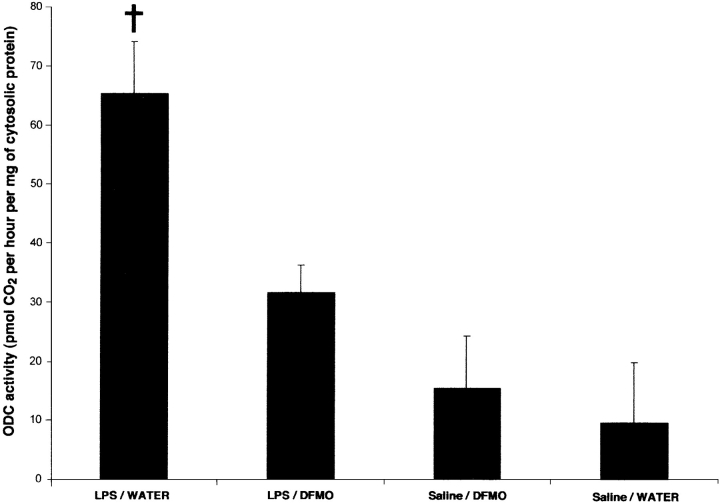
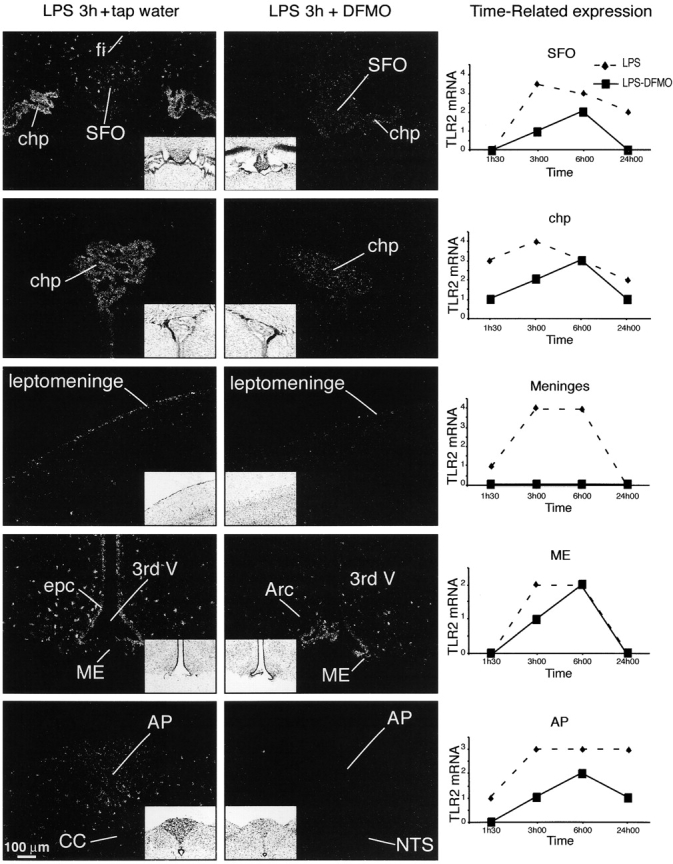
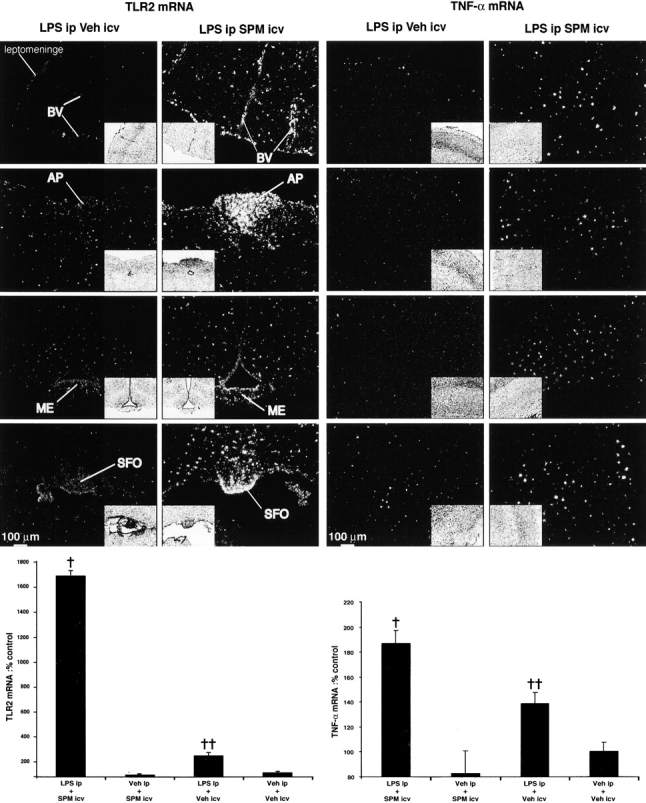
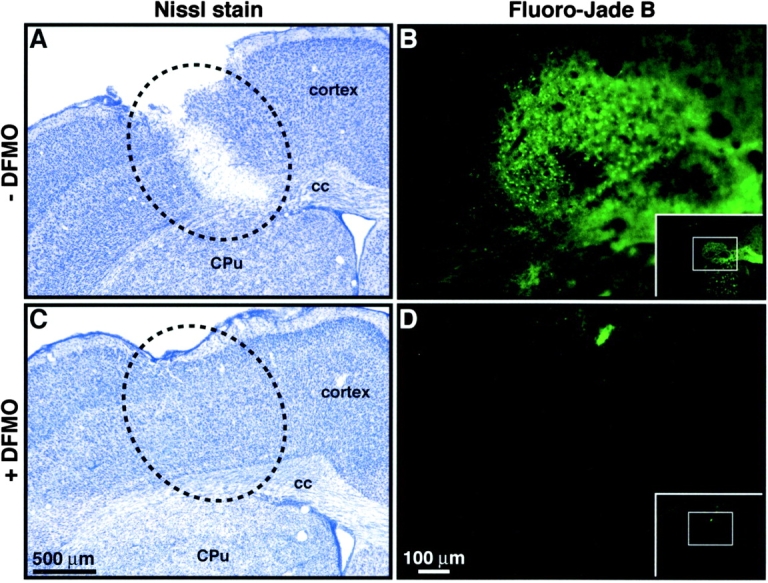
The present work investigated whether polyamines play a role in the control of the innate immune response in the brain. The first evidence that these molecules may be involved in such a process was based on the robust increase in the expression of the first and rate-limiting enzyme of biosynthesis of polyamines during immune stimuli. Indeed, systemic lipopolysaccharide (LPS) administration increased ornithine decarboxylase (ODC) mRNA and protein within neurons and microglia across the mouse central nervous system (CNS). This treatment was also associated with a robust and transient transcriptional activation of genes encoding pro-inflammatory cytokines and toll-like receptor 2 (TLR2) in microglial cells. The endotoxin increased the cerebral activity of ODC, which was abolished by a suicide inhibitor of ODC. The decrease in putrescine levels largely prevented the ability of LPS to trigger tumor necrosis factor alpha and TLR2 gene transcription in the mouse brain. In contrast, expression of both transcripts was clearly exacerbated in response to intracerebral spermine infusion. Finally, inhibition of polyamine synthesis abolished neurodegeneration and increased the survival rate of mice exposed to a model of severe innate immune reaction in the CNS. Thus, polyamines have a major impact on the neuronal integrity and cerebral homeostasis during immune insults.
本研究调查了多胺是否在大脑先天免疫反应的调控中发挥作用。这些分子可能参与这一过程的首个证据基于免疫刺激期间多胺生物合成的首个且限速酶的表达显著增加。事实上,全身性给予脂多糖(LPS)会使小鼠中枢神经系统(CNS)内神经元和小胶质细胞中的鸟氨酸脱羧酶(ODC)mRNA和蛋白质增加。这种处理还与小胶质细胞中编码促炎细胞因子和Toll样受体2(TLR2)的基因的强烈且短暂的转录激活有关。内毒素增加了ODC的脑内活性,而ODC的自杀性抑制剂可消除这种活性。腐胺水平的降低在很大程度上阻止了LPS触发小鼠脑中肿瘤坏死因子α和TLR2基因转录的能力。相反,脑室内注入精胺后,这两种转录本的表达明显加剧。最后,抑制多胺合成可消除神经退行性变,并提高暴露于CNS严重先天免疫反应模型的小鼠的存活率。因此,在免疫损伤期间,多胺对神经元完整性和脑内稳态有重大影响。