Miga Michael I, Sinha Tuhin K, Cash David M, Galloway Robert L, Weil Robert J
Department of Biomedical Engineering, Vanderbilt University, Nashville, TN 37235, USA.
IEEE Trans Med Imaging. 2003 Aug;22(8):973-85. doi: 10.1109/TMI.2003.815868.
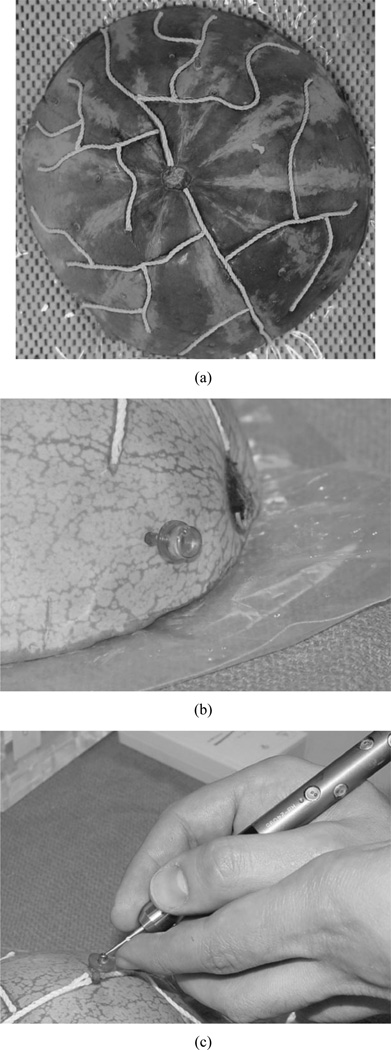
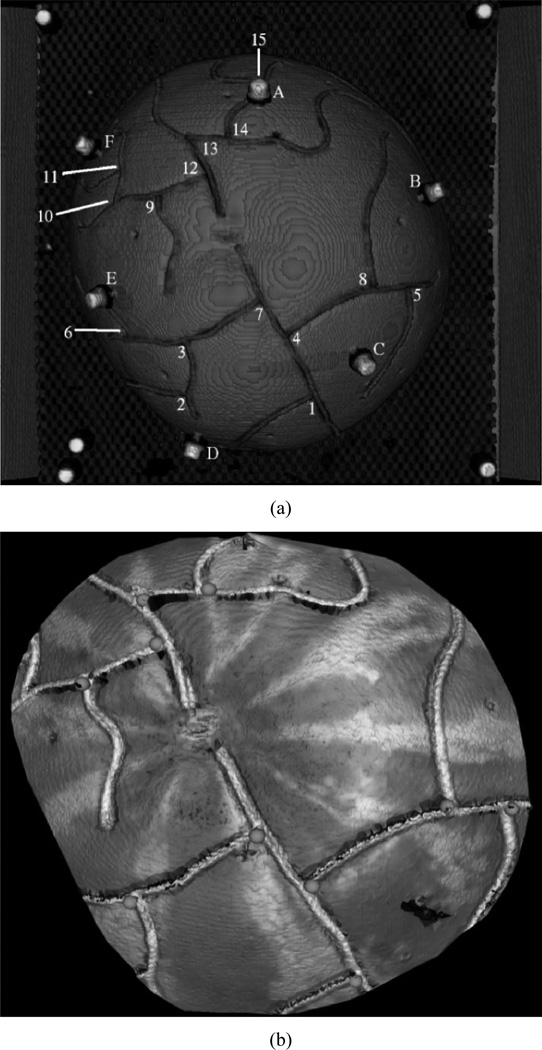
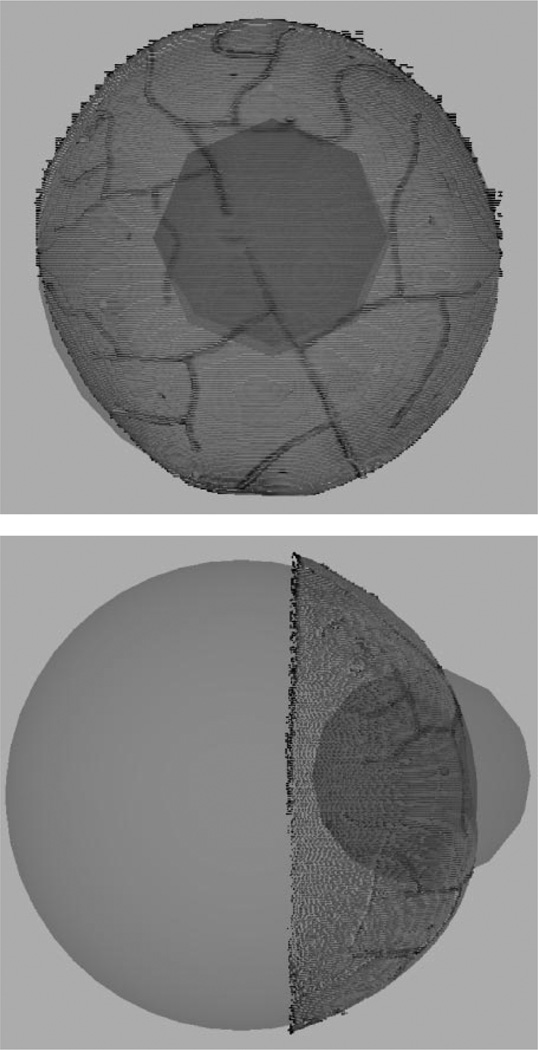
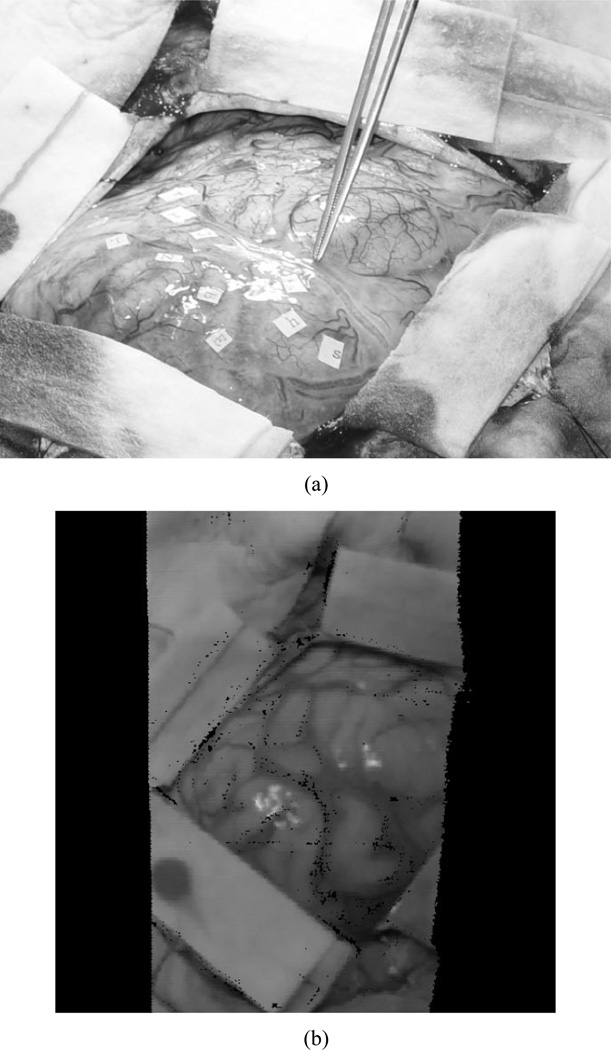
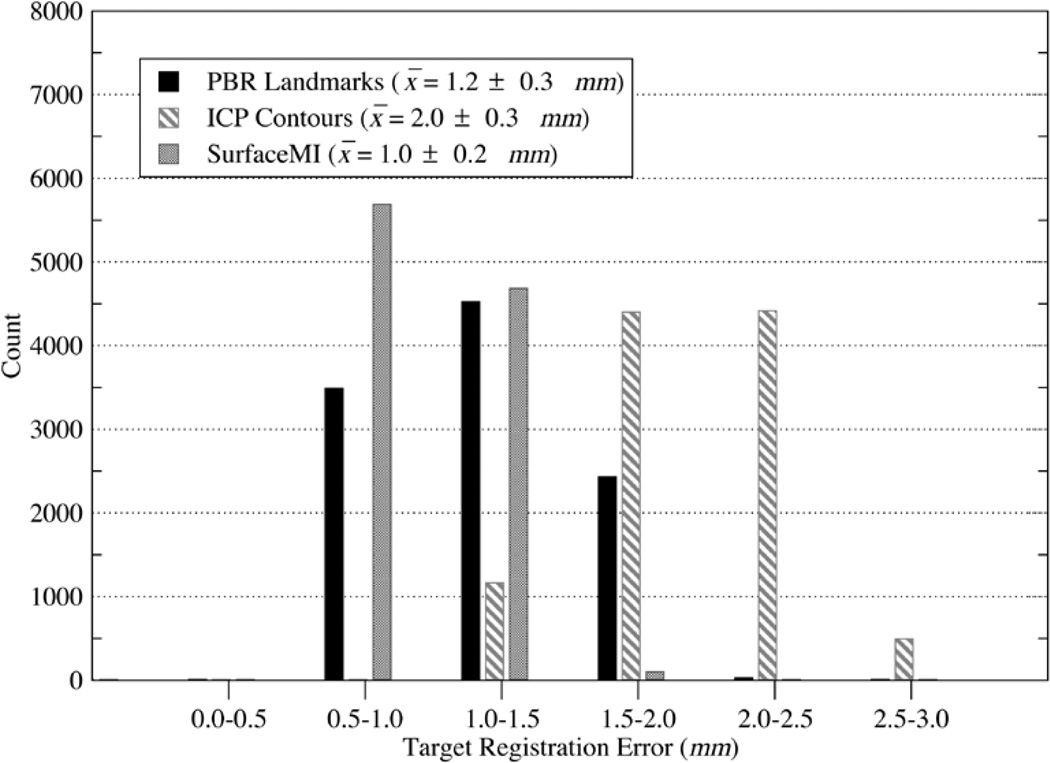
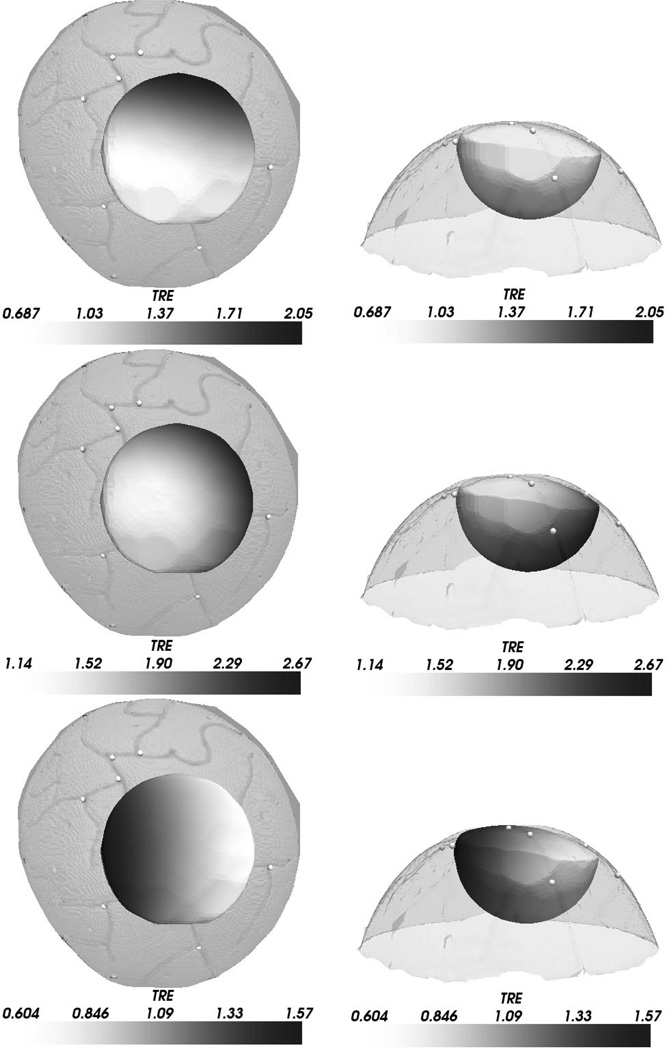
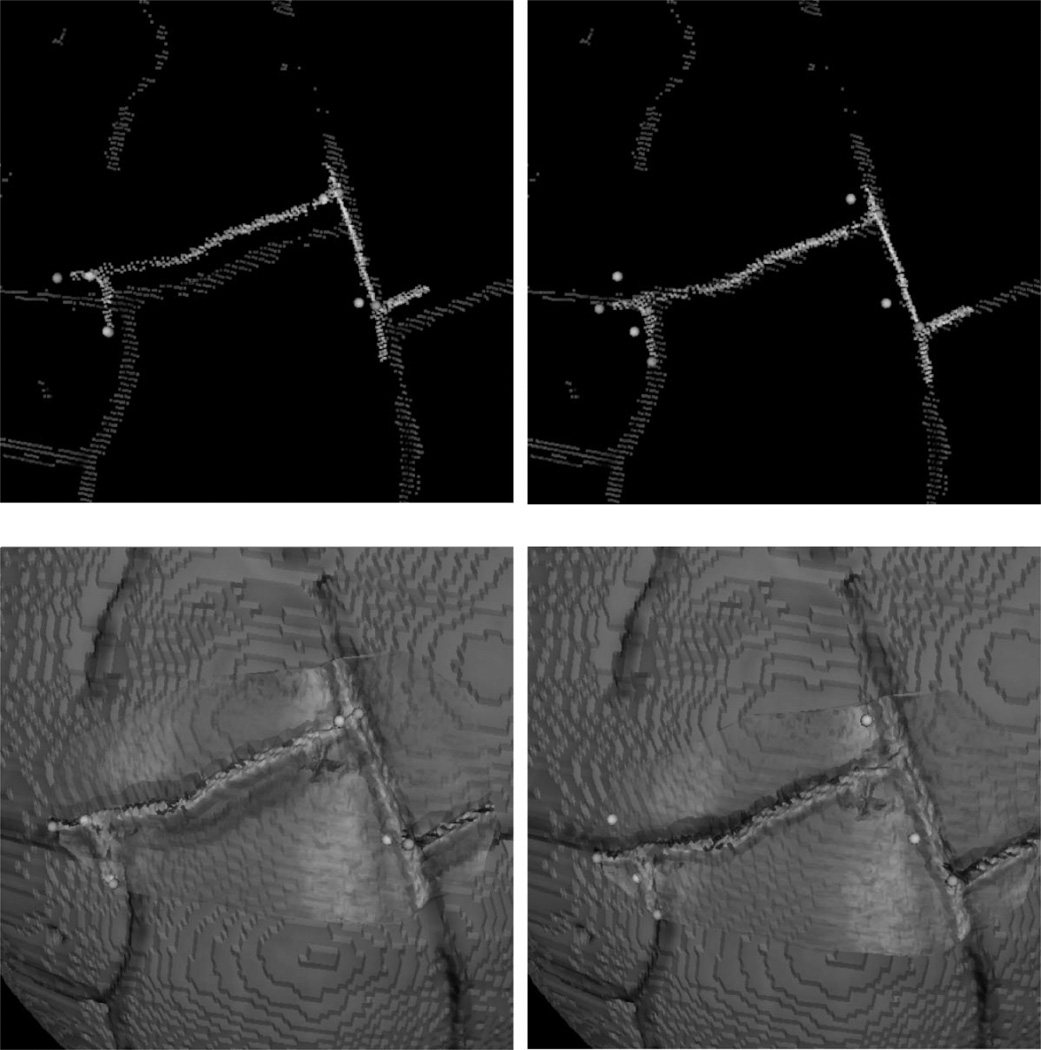
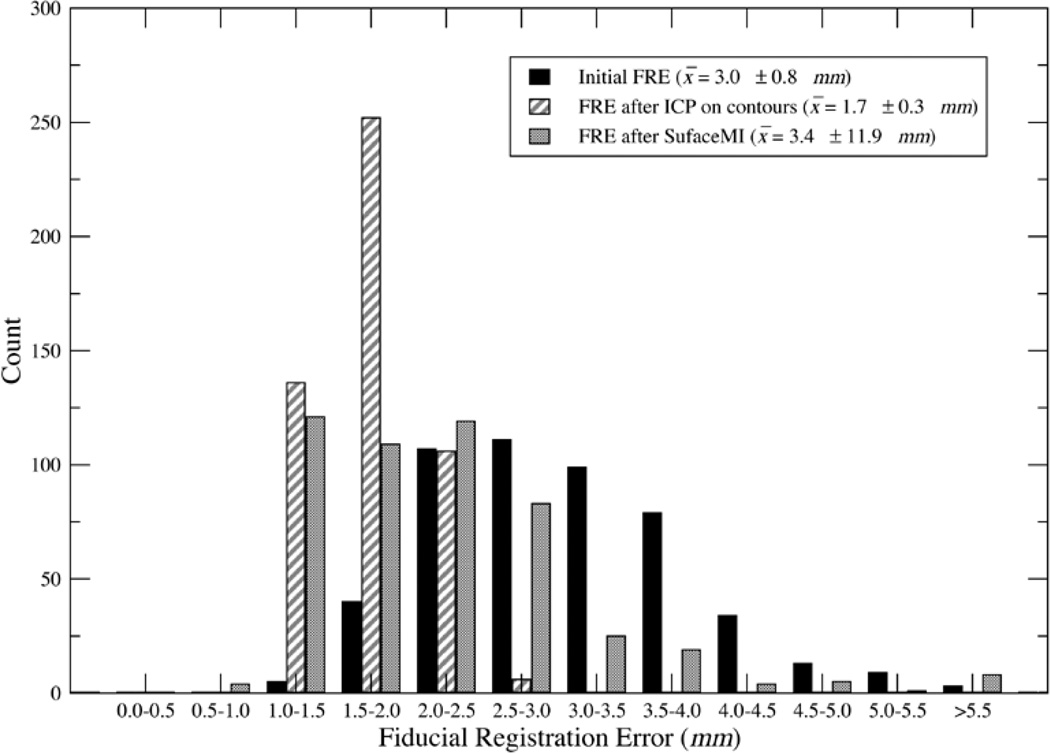
In this paper, a method of acquiring intraoperative data using a laser range scanner (LRS) is presented within the context of model-updated image-guided surgery. Registering textured point clouds generated by the LRS to tomographic data is explored using established point-based and surface techniques as well as a novel method that incorporates geometry and intensity information via mutual information (SurfaceMI). Phantom registration studies were performed to examine accuracy and robustness for each framework. In addition, an in vivo registration is performed to demonstrate feasibility of the data acquisition system in the operating room. Results indicate that SurfaceMI performed better in many cases than point-based (PBR) and iterative closest point (ICP) methods for registration of textured point clouds. Mean target registration error (TRE) for simulated deep tissue targets in a phantom were 1.0 +/- 0.2, 2.0 +/- 0.3, and 1.2 +/- 0.3 mm for PBR, ICP, and SurfaceMI, respectively. With regard to in vivo registration, the mean TRE of vessel contour points for each framework was 1.9 +/- 1.0, 0.9 +/- 0.6, and 1.3 +/- 0.5 for PBR, ICP, and SurfaceMI, respectively. The methods discussed in this paper in conjunction with the quantitative data provide impetus for using LRS technology within the model-updated image-guided surgery framework.
在本文中,在模型更新的图像引导手术背景下,提出了一种使用激光测距扫描仪(LRS)获取术中数据的方法。利用既定的基于点和基于表面的技术以及一种通过互信息(SurfaceMI)合并几何和强度信息的新方法,探索将LRS生成的带纹理点云与断层扫描数据进行配准。进行了体模配准研究以检验每个框架的准确性和鲁棒性。此外,还进行了体内配准,以证明数据采集系统在手术室中的可行性。结果表明,在许多情况下,SurfaceMI在带纹理点云配准方面比基于点的(PBR)和迭代最近点(ICP)方法表现更好。对于体模中模拟的深部组织目标,PBR、ICP和SurfaceMI的平均目标配准误差(TRE)分别为1.0±0.2、2.0±0.3和1.2±0.3毫米。关于体内配准,每个框架的血管轮廓点的平均TRE对于PBR、ICP和SurfaceMI分别为1.9±1.0、0.9±0.6和1.3±0.5。本文讨论的方法与定量数据一起为在模型更新的图像引导手术框架内使用LRS技术提供了动力。