Taylor J P, Cupp C, Diaz A, Chowdhury M, Khalili K, Jimenez S A, Amini S
Department of Biochemistry and Molecular Biology, Thomas Jefferson University, Philadelphia, PA 19107.
Proc Natl Acad Sci U S A. 1992 Oct 15;89(20):9617-21. doi: 10.1073/pnas.89.20.9617.
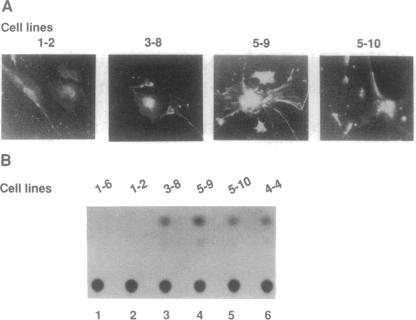
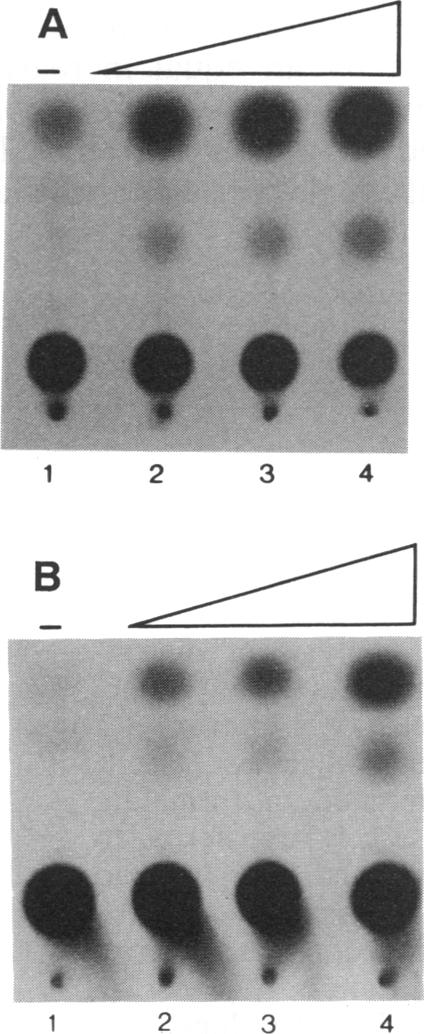
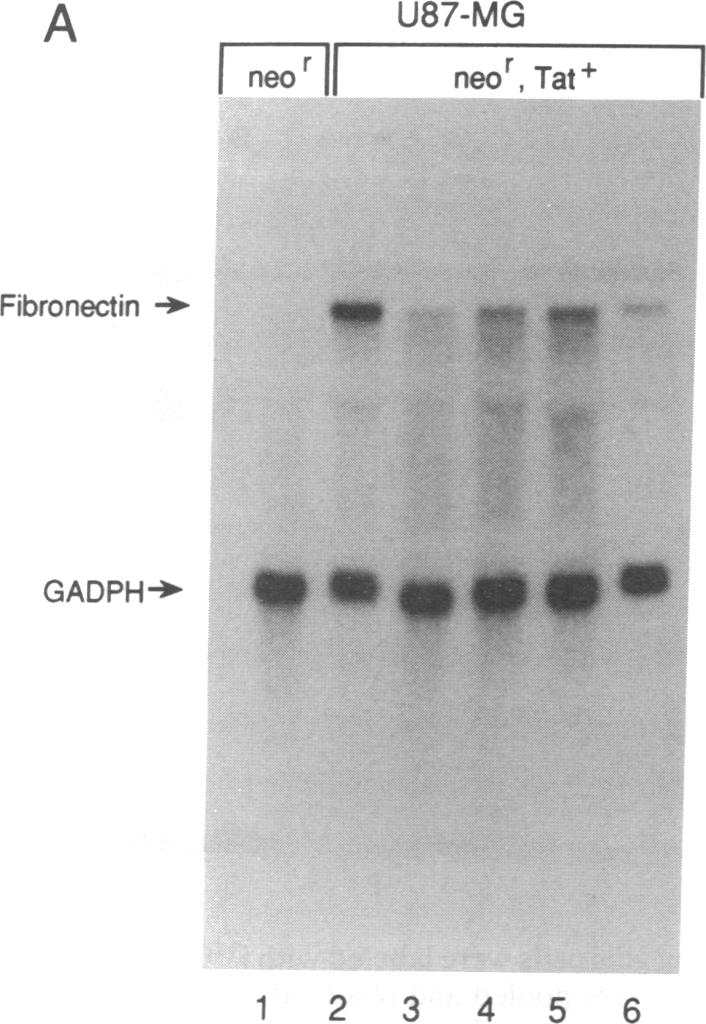
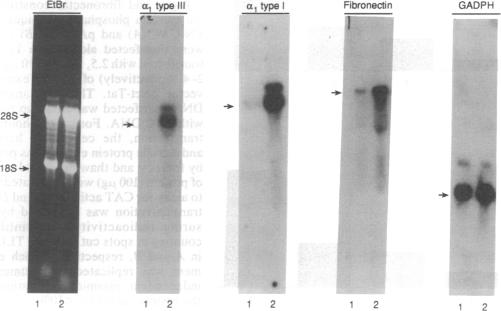
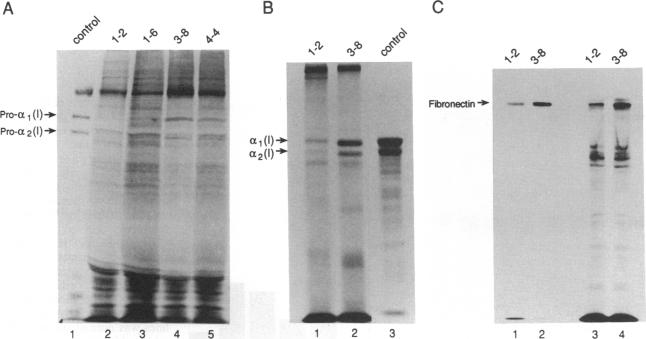
The Tat protein of human immunodeficiency virus type 1 has been increasingly implicated in directly contributing to the disease AIDS by altering the expression of strategic cellular genes. In this study we demonstrate that the presence of the human immunodeficiency virus type 1 regulatory protein Tat is associated with a significant induction in the expression of certain protein components of the extracellular matrix in glial-derived cells. Northern blot analysis reveals that in cells expressing Tat there is a marked elevation in the steady-state RNA levels for fibronectin and types I and III collagen. Metabolic labeling of the Tat-producing cells demonstrates that this induction is also reflected at the level of protein synthesis. Transient transfection experiments indicate that the presence of Tat results in increased transcription of fibronectin and alpha I type I collagen promoters. Possible mechanisms for this phenomenon and their significance with regard to AIDS are discussed.
1型人类免疫缺陷病毒的反式激活蛋白(Tat蛋白)越来越多地被认为通过改变关键细胞基因的表达直接导致艾滋病。在本研究中,我们证明1型人类免疫缺陷病毒调节蛋白Tat的存在与神经胶质来源细胞中细胞外基质某些蛋白质成分表达的显著诱导有关。Northern印迹分析显示,在表达Tat的细胞中,纤连蛋白以及I型和III型胶原蛋白的稳态RNA水平显著升高。对产生Tat的细胞进行代谢标记表明,这种诱导在蛋白质合成水平上也有体现。瞬时转染实验表明,Tat的存在导致纤连蛋白和α1 I型胶原蛋白启动子的转录增加。本文讨论了这一现象的可能机制及其与艾滋病的相关性。