Schwartz I, Wormser G P, Schwartz J J, Cooper D, Weissensee P, Gazumyan A, Zimmermann E, Goldberg N S, Bittker S, Campbell G L, Pavia C S
Department of Biochemistry and Molecular Biology, New York Medical College, Valhalla 10595.
J Clin Microbiol. 1992 Dec;30(12):3082-8. doi: 10.1128/jcm.30.12.3082-3088.1992.
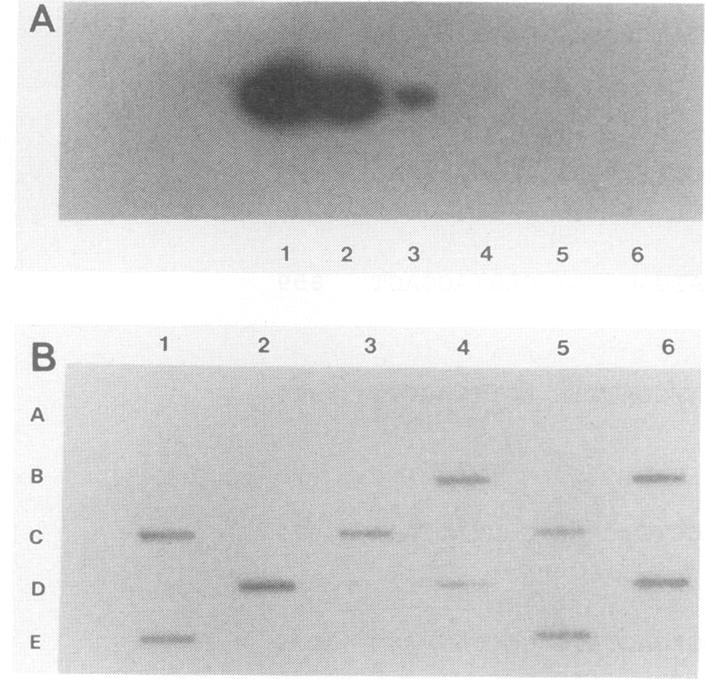
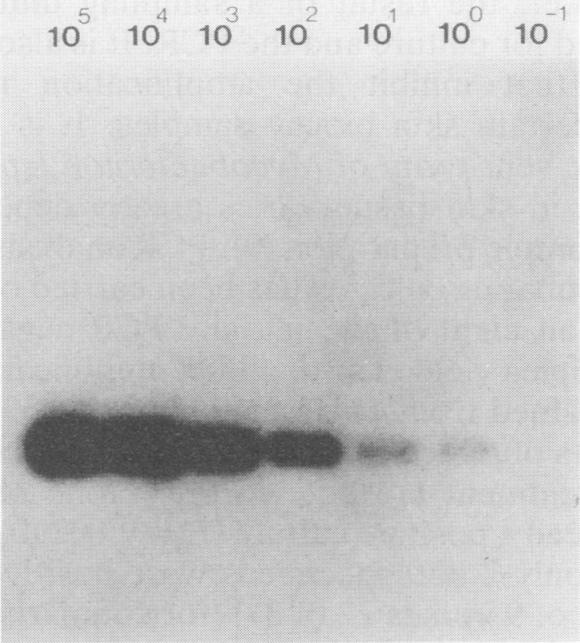
Current laboratory diagnosis of Lyme disease relies on tests for the detection of antibodies to Borrelia burgdorferi, the etiologic agent of the disease. These tests are often unreliable because of a lack of sensitivity and specificity and test-to-test variability. The purpose of this study was to evaluate the sensitivity and specificity of polymerase chain reaction (PCR) amplification for detection of B. burgdorferi in skin biopsy specimens. Forty-six 2-mm skin biopsy samples were obtained from 44 patients with a clinical diagnosis of erythema migrans, 9 of whom were receiving antibiotic therapy at the time of biopsy. Specimens were ground in BSK medium with separate aliquots taken for culture and PCR. Of the specimens from the untreated group, 57% (21 of 37) were positive by culture and 22% (8 of 37) were culture negative; 22% (8 of 37) of the cultures were uninformative because of contamination. By comparison, 22 (59%) of 37 specimens were positive by PCR amplification. Of 21 culture-positive samples, 13 (62%) were also positive by PCR analysis. Thus, the sensitivity of the PCR was 59 to 62%, based on either a clinical or cultural diagnosis of untreated Lyme disease. None of the nine specimens from antibiotic-treated patients grew in culture, whereas two of the nine were positive by PCR analysis. Given the complexity and time required for culture, PCR is a promising technique for the diagnosis of early Lyme disease.
目前莱姆病的实验室诊断依赖于检测针对该疾病病原体伯氏疏螺旋体的抗体的试验。由于缺乏敏感性、特异性以及不同试验之间的变异性,这些试验往往不可靠。本研究的目的是评估聚合酶链反应(PCR)扩增用于检测皮肤活检标本中伯氏疏螺旋体的敏感性和特异性。从44例临床诊断为游走性红斑的患者中获取了46份2毫米的皮肤活检样本,其中9例在活检时正在接受抗生素治疗。将标本在BSK培养基中研磨,分别取等分试样用于培养和PCR。在未治疗组的标本中,57%(37份中的21份)培养呈阳性,22%(37份中的8份)培养阴性;22%(37份中的8份)的培养物因污染而无信息价值。相比之下,37份标本中有22份(59%)通过PCR扩增呈阳性。在21份培养阳性的样本中,13份(62%)经PCR分析也呈阳性。因此,基于未治疗的莱姆病的临床或培养诊断,PCR的敏感性为59%至62%。来自接受抗生素治疗患者的9份标本中,没有一份在培养中生长,而9份中有2份经PCR分析呈阳性。鉴于培养的复杂性和所需时间,PCR是诊断早期莱姆病的一种有前景的技术。