Bieberich Erhard, Silva Jeane, Wang Guanghu, Krishnamurthy Kannan, Condie Brian G
Institute of Molecular Medicine and Genetics, School of Medicine, Medical College of Georgia, Augusta, GA 30912, USA.
J Cell Biol. 2004 Nov 22;167(4):723-34. doi: 10.1083/jcb.200405144. Epub 2004 Nov 15.
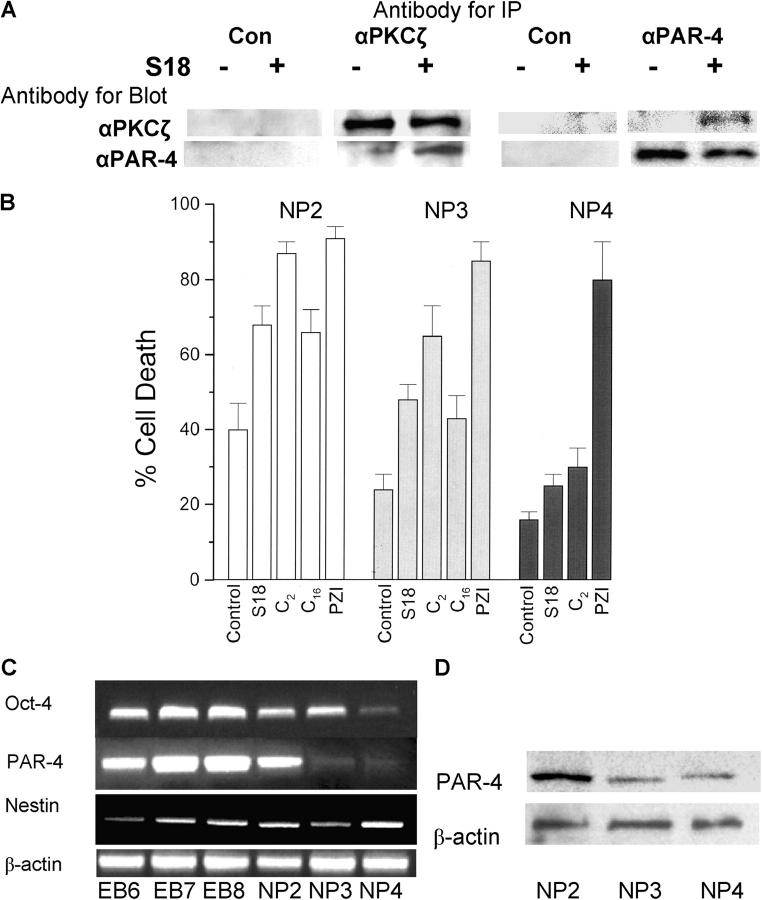
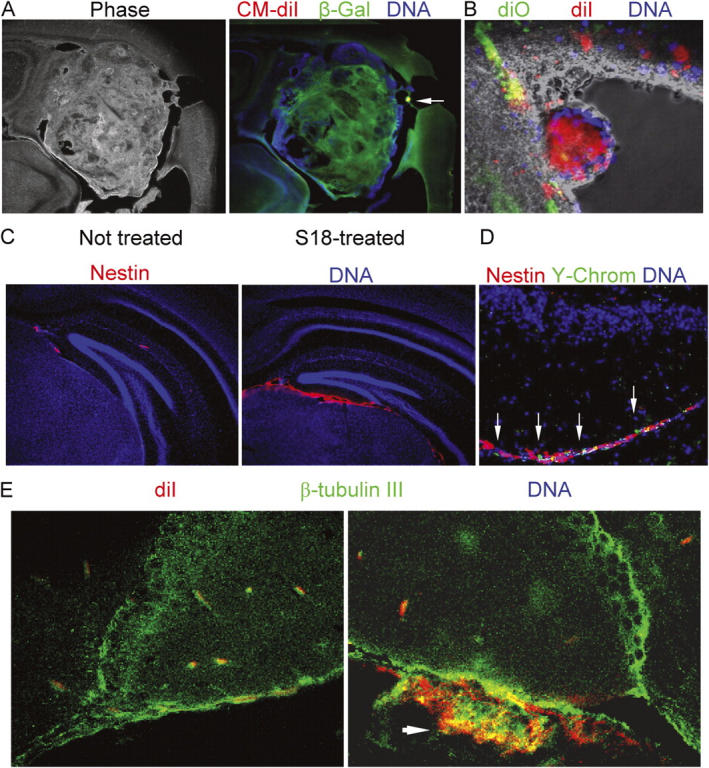
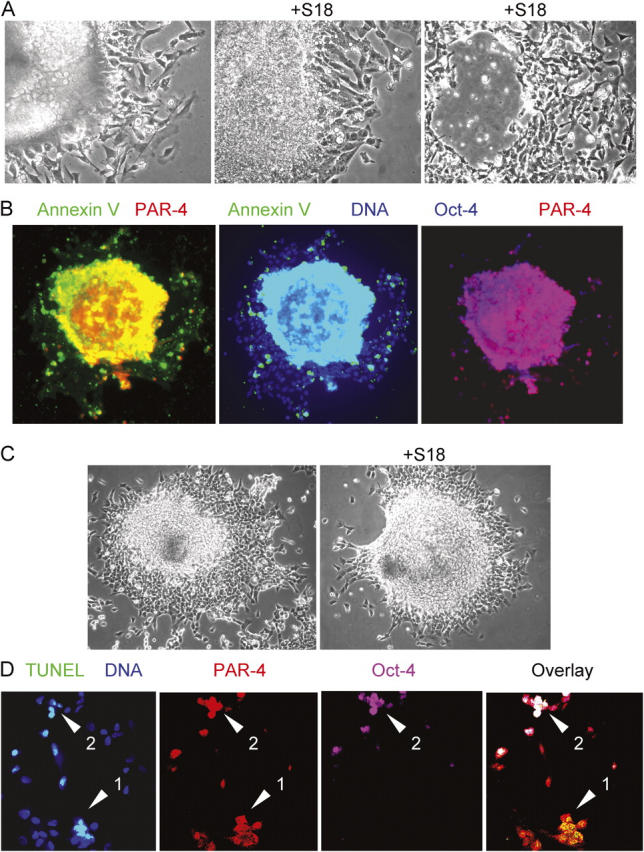
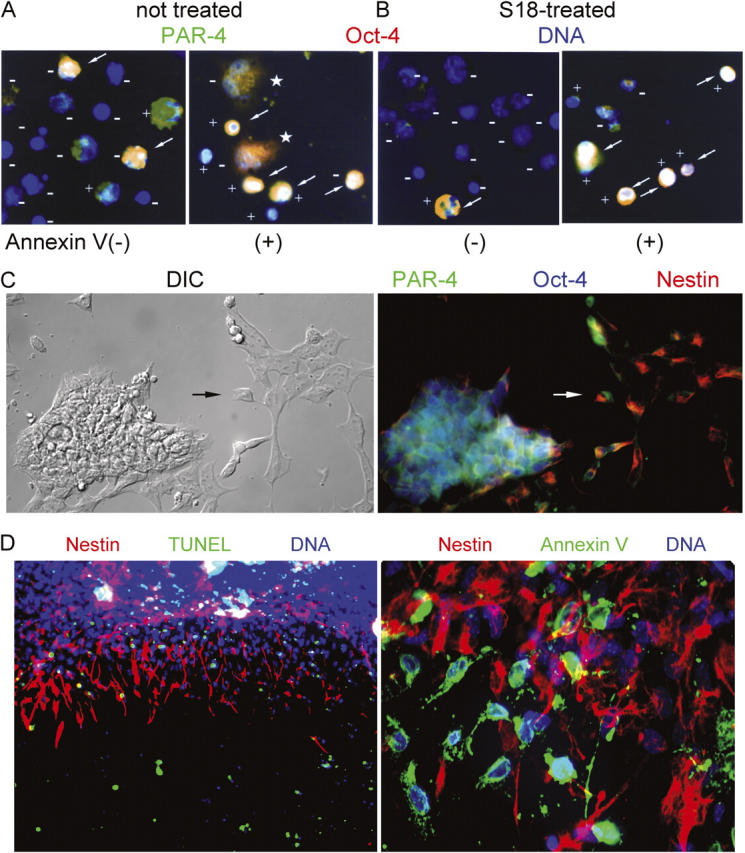
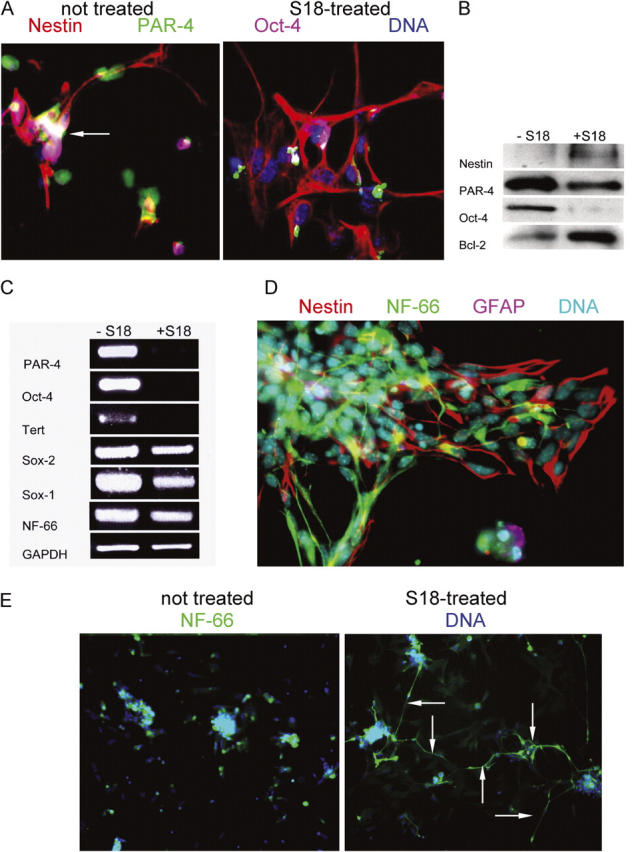
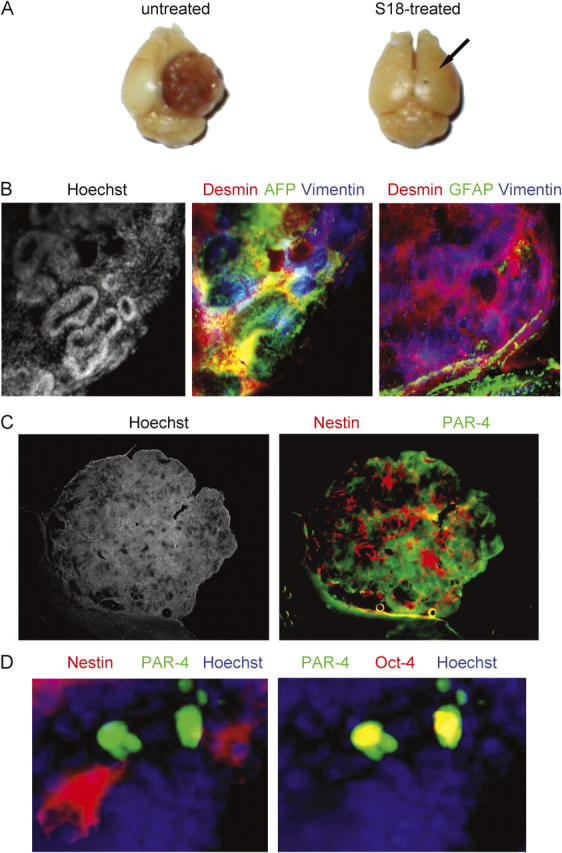
The formation of stem cell-derived tumors (teratomas) is observed when engrafting undifferentiated embryonic stem (ES) cells, embryoid body-derived cells (EBCs), or mammalian embryos and is a significant obstacle to stem cell therapy. We show that in tumors formed after engraftment of EBCs into mouse brain, expression of the pluripotency marker Oct-4 colocalized with that of prostate apoptosis response-4 (PAR-4), a protein mediating ceramide-induced apoptosis during neural differentiation of ES cells. We tested the ability of the novel ceramide analogue N-oleoyl serinol (S18) to eliminate mouse and human Oct-4(+)/PAR-4(+) cells and to increase the proportion of nestin(+) neuroprogenitors in EBC-derived cell cultures and grafts. S18-treated EBCs persisted in the hippocampal area and showed neuronal lineage differentiation as indicated by the expression of beta-tubulin III. However, untreated cells formed numerous teratomas that contained derivatives of endoderm, mesoderm, and ectoderm. Our results show for the first time that ceramide-induced apoptosis eliminates residual, pluripotent EBCs, prevents teratoma formation, and enriches the EBCs for cells that undergo neural differentiation after transplantation.
当植入未分化的胚胎干细胞(ES细胞)、胚状体衍生细胞(EBCs)或哺乳动物胚胎时,会观察到干细胞衍生肿瘤(畸胎瘤)的形成,这是干细胞治疗的一个重大障碍。我们发现,将EBCs植入小鼠大脑后形成的肿瘤中,多能性标志物Oct-4的表达与前列腺凋亡反应-4(PAR-4)的表达共定位,PAR-4是一种在ES细胞神经分化过程中介导神经酰胺诱导凋亡的蛋白质。我们测试了新型神经酰胺类似物N-油酰丝氨醇(S18)消除小鼠和人类Oct-4(+)/PAR-4(+)细胞以及增加EBC衍生细胞培养物和移植物中巢蛋白(+)神经祖细胞比例的能力。经S18处理的EBCs在海马区持续存在,并表现出β-微管蛋白III表达所指示的神经元谱系分化。然而,未经处理的细胞形成了许多包含内胚层、中胚层和外胚层衍生物的畸胎瘤。我们的结果首次表明,神经酰胺诱导的凋亡消除了残留的多能EBCs,防止了畸胎瘤的形成,并使EBCs富含移植后经历神经分化的细胞。